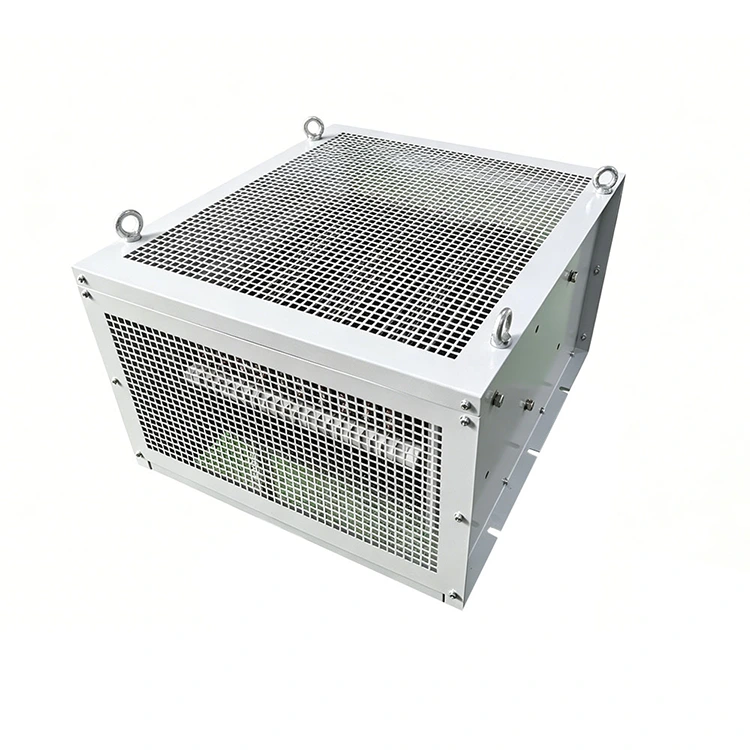
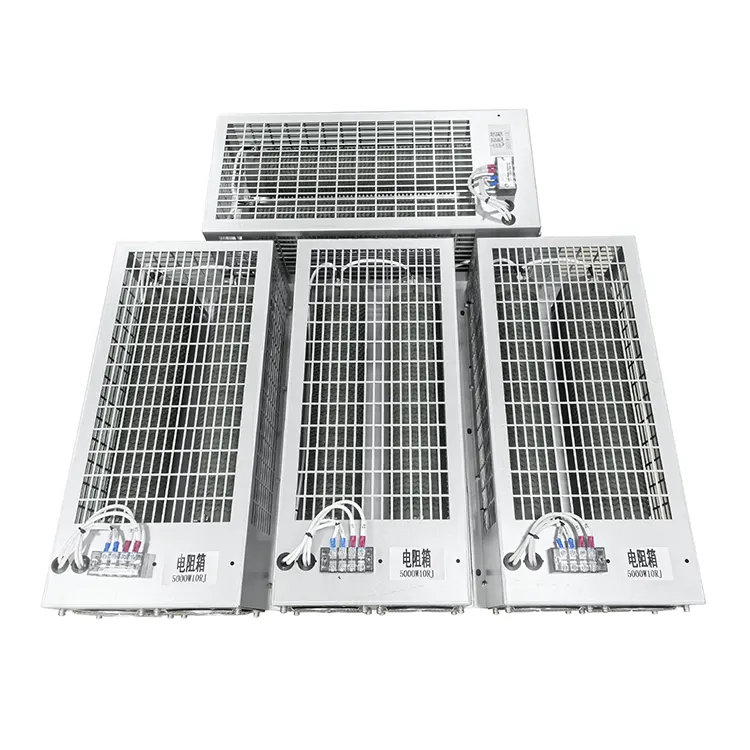
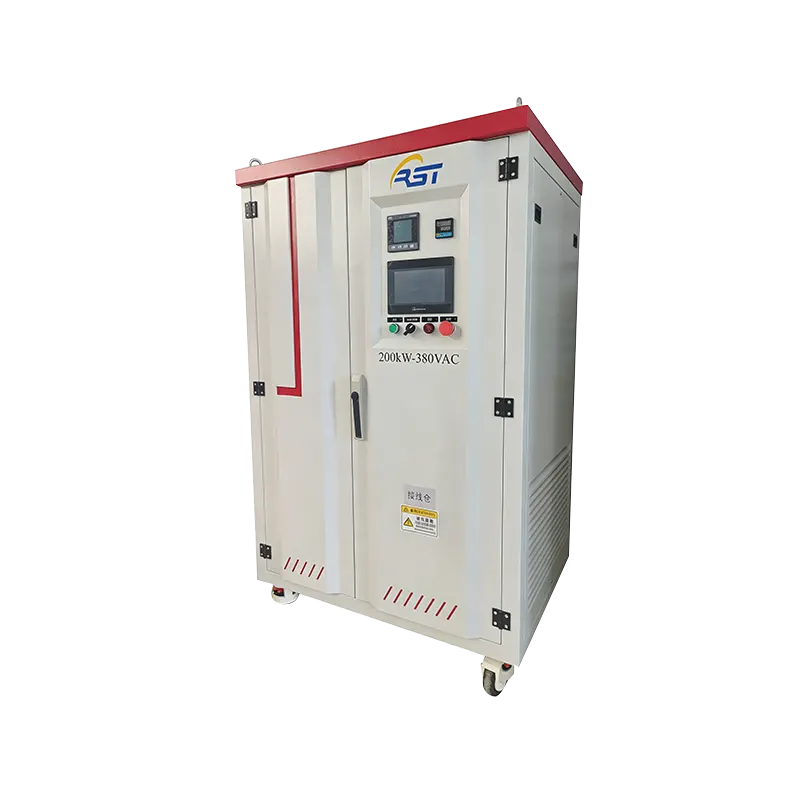
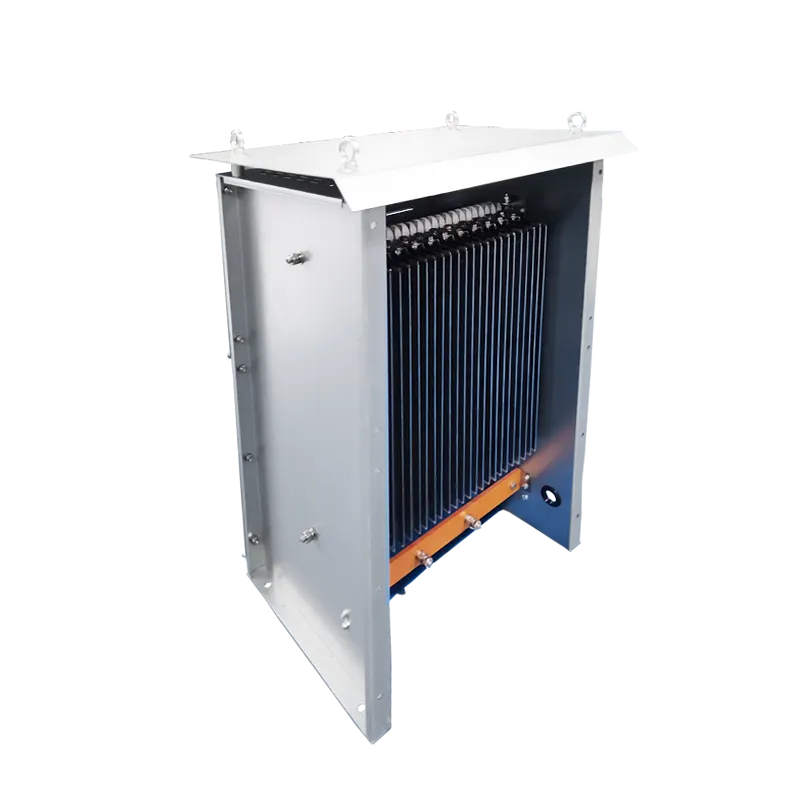
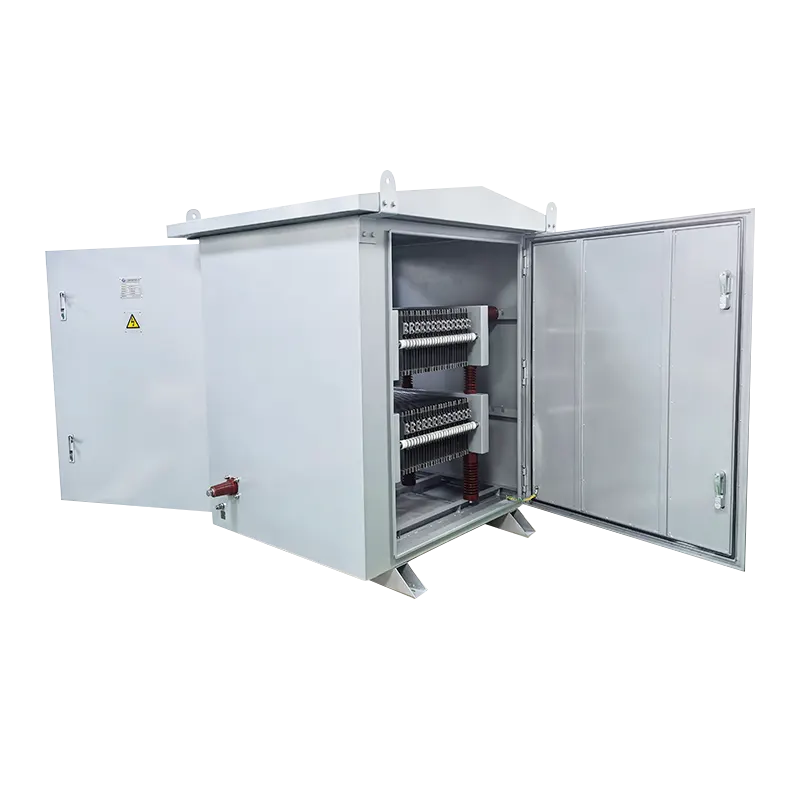
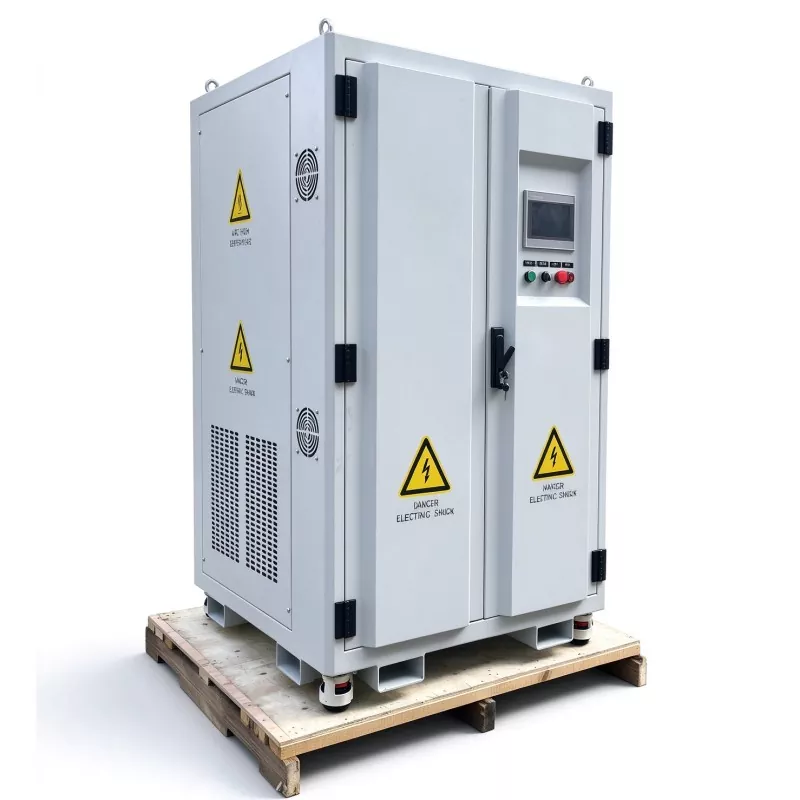
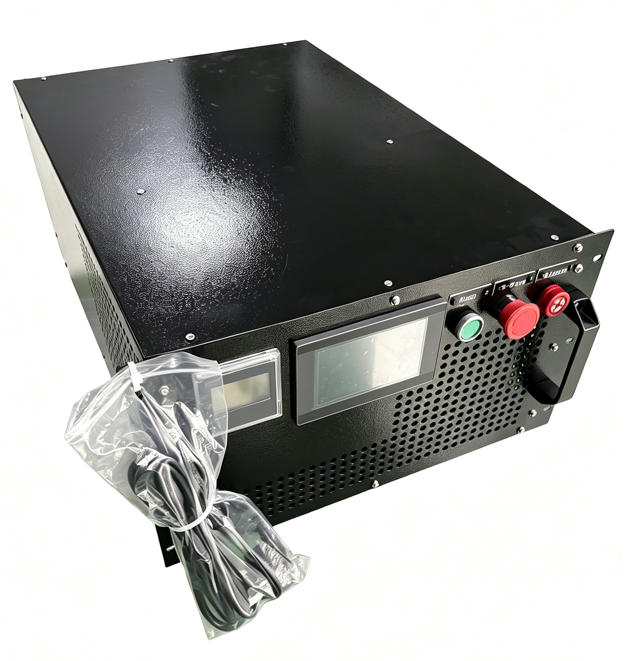
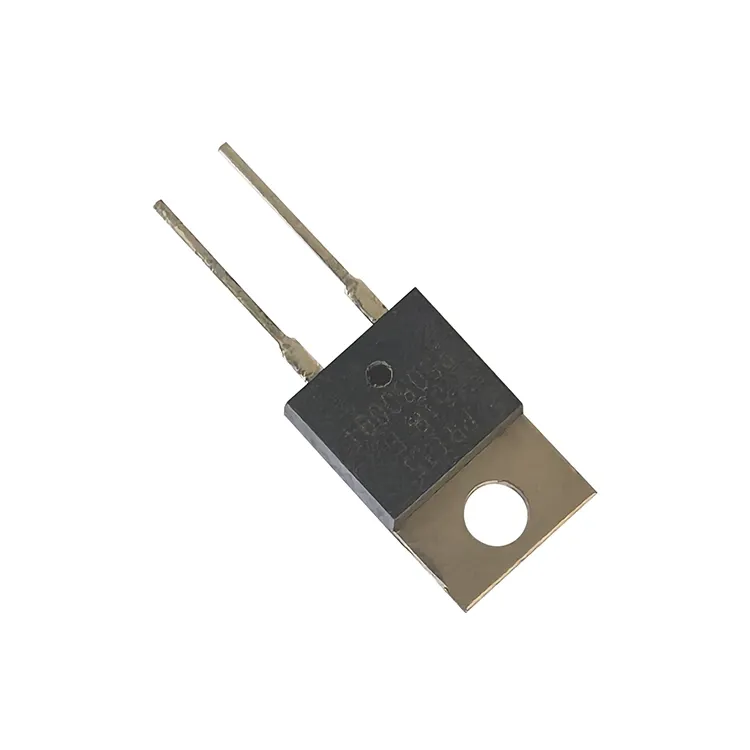
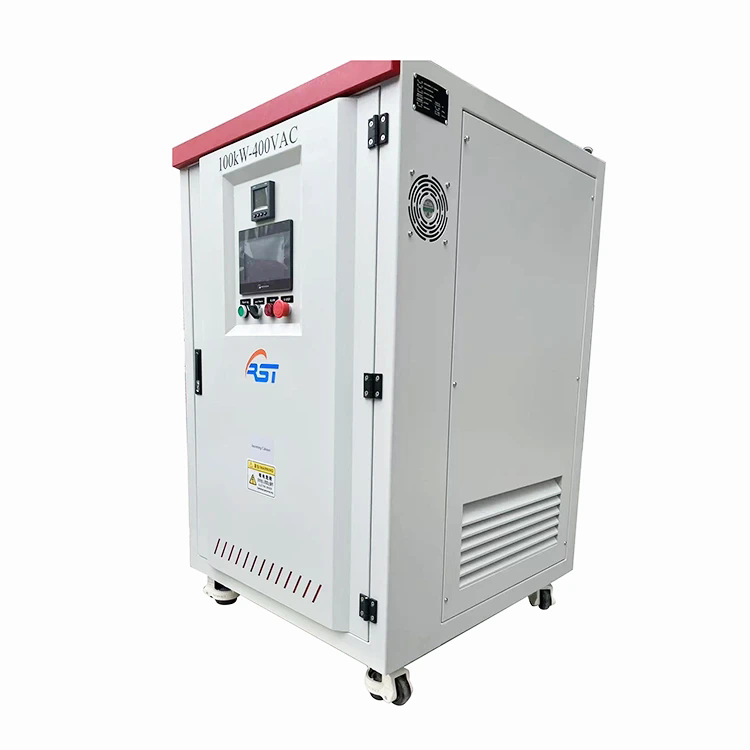
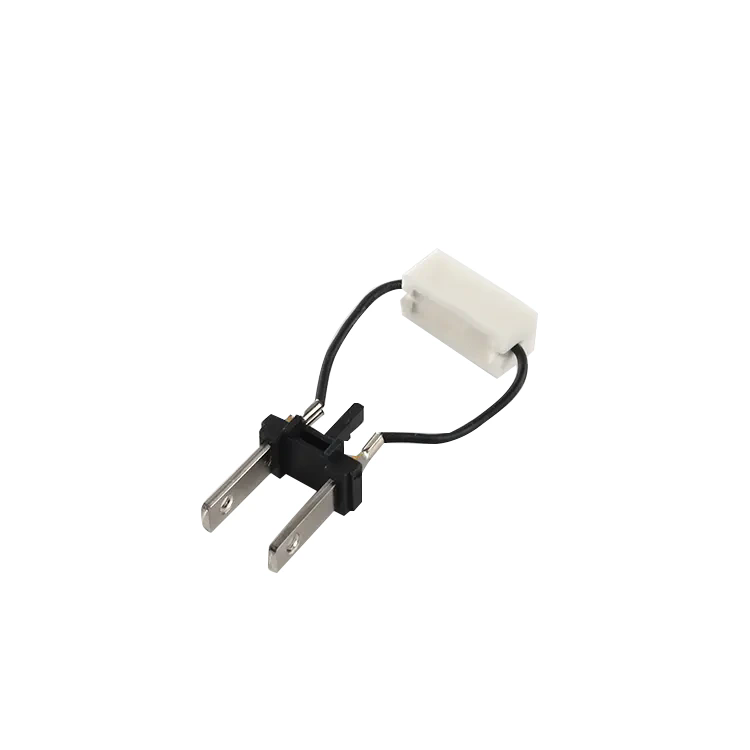
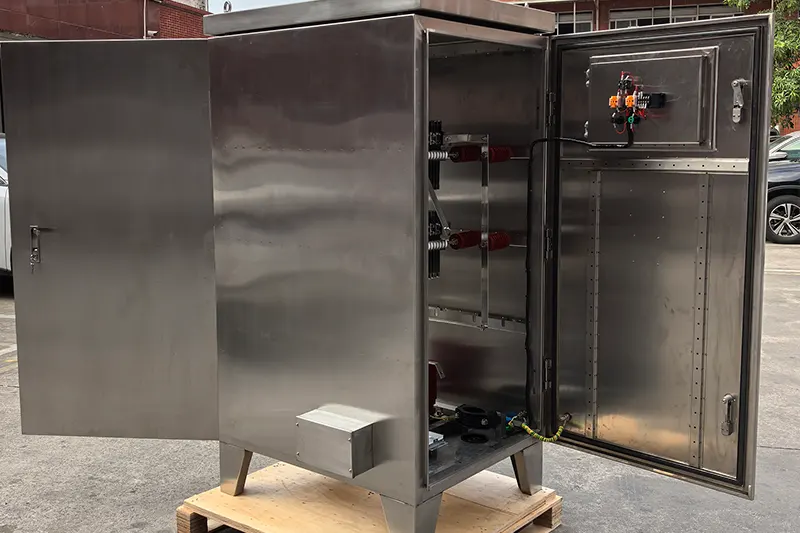
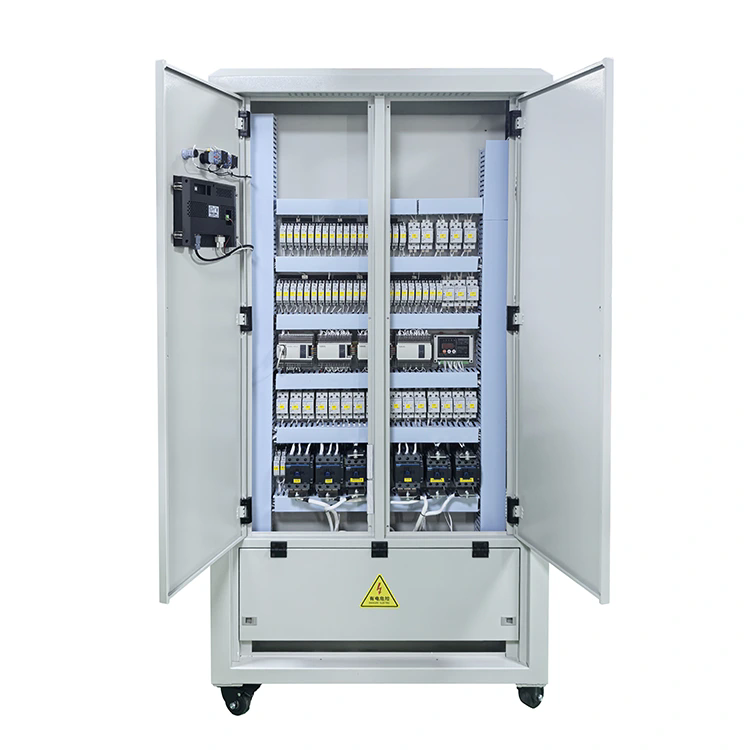
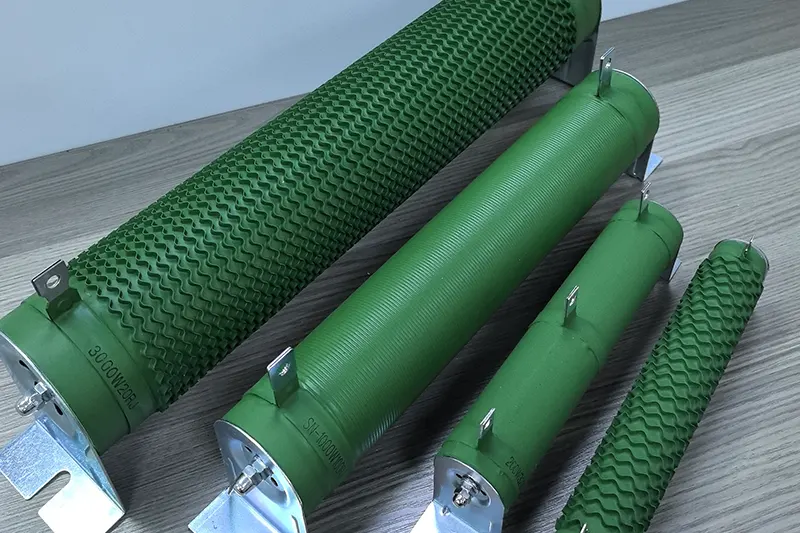
The Braking Resistor For Industrial Control is a crucial energy consumption component widely used in automation production lines, CNC machines, elevators, hoists, centrifuges, textile machinery, packaging machinery, injection molding machines, etc., in variable frequency speed control systems. Its function is similar to that of a ship braking resistor, both of which absorb the energy generated by the motor's regenerative power to prevent the DC bus voltage of the frequency converter from exceeding the limit and triggering an alarm or causing damage. The difference lies in that the industrial control environment is usually cleaner, drier, and with controllable temperature and humidity, requiring relatively lower protection grades (IP20 to IP54 are sufficient), but having higher requirements for compactness, ease of installation, heat dissipation efficiency, and compatibility with various frequency converters.
Common types include aluminum shell resistors (aluminum alloy casing, with surface mount heat sink), corrugated resistors (steel tape wound around a ceramic tube, open structure), and stainless steel tubular resistors (for high power applications). Among these, the aluminum shell braking resistor, due to its small size, good heat conduction, and high cost-effectiveness, has become the standard configuration for medium and small power (≤11kW) frequency converters. The internal resistor core is made of nickel-chromium alloy wire wound on a ceramic framework, filled with quartz sand or thermal conductive silicone gel, and then pressed into an aluminum profile casing. The leads use high-temperature silicone wires or terminal blocks. When the built-in braking unit of the frequency converter operates (bus voltage exceeds approximately 670V or 780V, corresponding to a 380V system), the braking resistor is connected to the circuit, and the current flowing through it generates heat, with the surface temperature reaching 200-300℃. Therefore, during installation, it must be kept away from flammable materials and ensure there is at least 100mm of cooling space around it.
1) Resistance value (R): Must be equal to or greater than the recommended value in the frequency converter manual; otherwise, the braking unit IGBT will be burned out.
2) Power (P): Calculated based on the braking usage rate (ED%). For example, for elevators, ED is 20% to 40%, and for centrifuges, ED is 10% to 15%; formula: P_required = P_peak × √(ED/100).
3) Heat capacity: For short-term large braking energy (such as emergency stop), the resistance must be able to withstand the transient energy without burning out. Many manufacturers provide "braking resistance calculation software" or online selection tools. Just input the motor power, rated speed, deceleration time, and load inertia to recommend the appropriate model.
In terms of wiring, the Braking Resistor For Industrial Control should be installed as close as possible to the frequency converter (with a line length of less than 5 meters), and twisted shielded cables should be used to avoid interference. Some high-end braking resistors are integrated with temperature switches (normally closed type, which will open when the resistance temperature exceeds the set value such as 150℃, cutting off the braking unit signal) or temperature-controlled fans (used in high ED scenarios). In addition, RST Electric also offers various types of Braking Resistors. Please feel free to come and inquire about or purchase them!