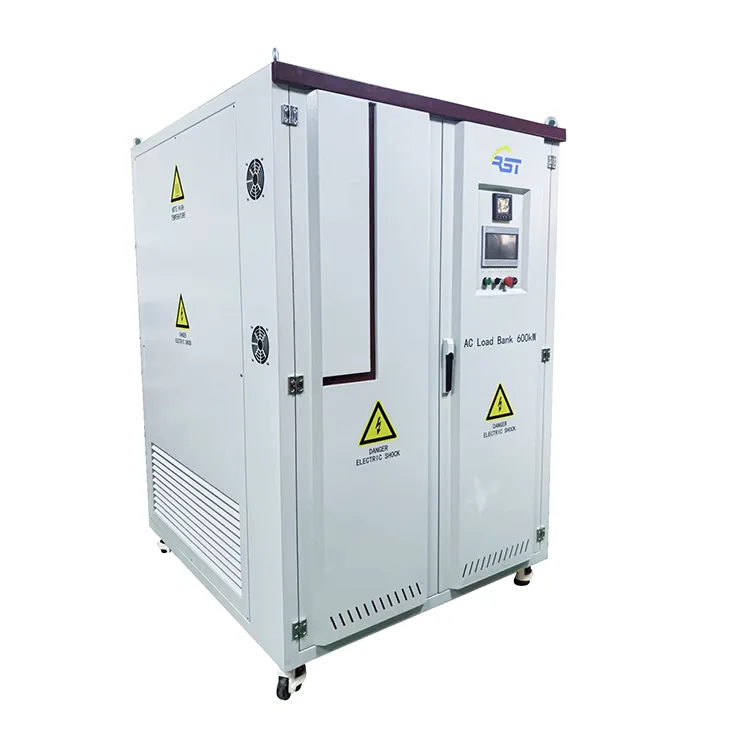
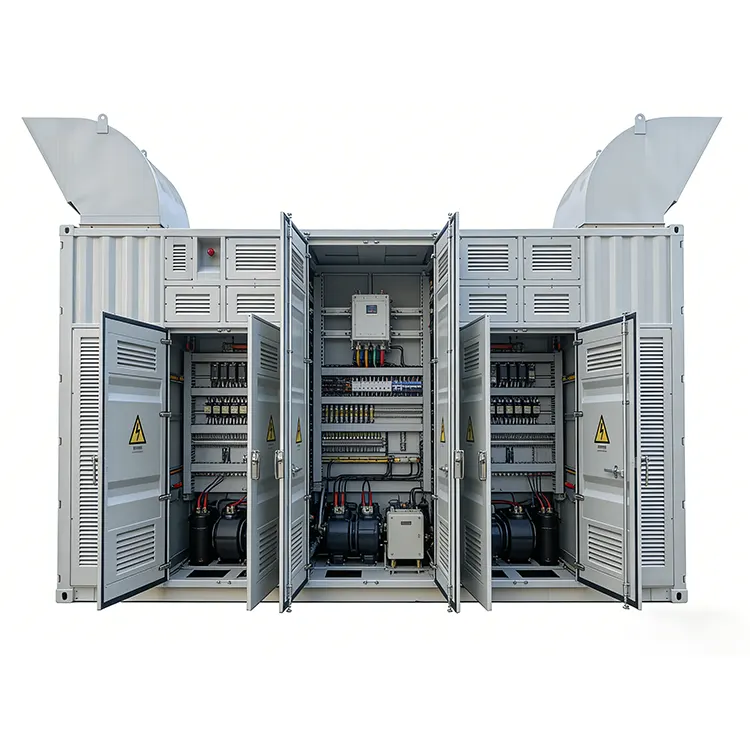
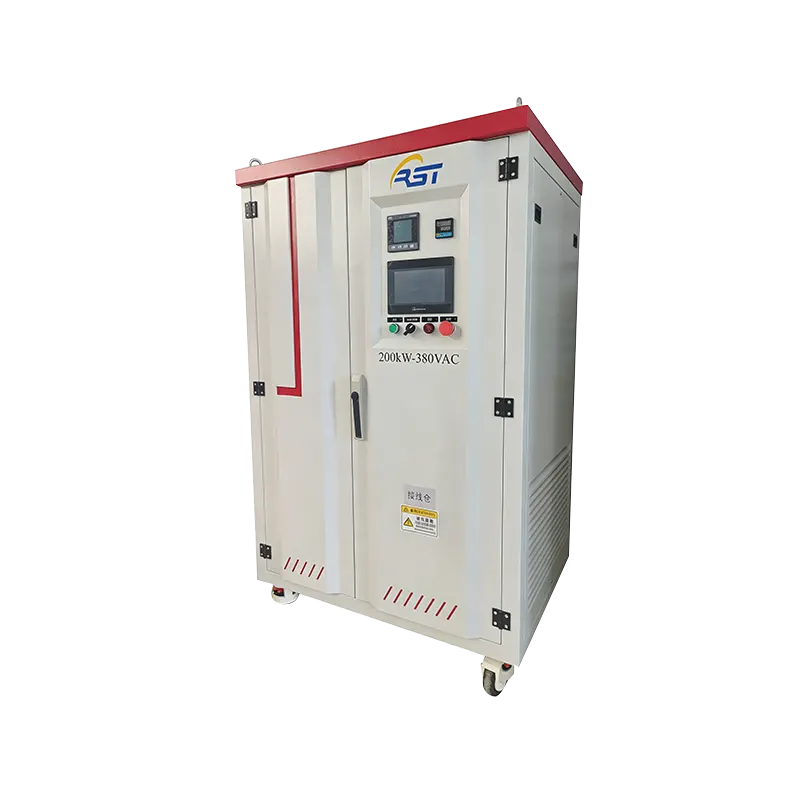
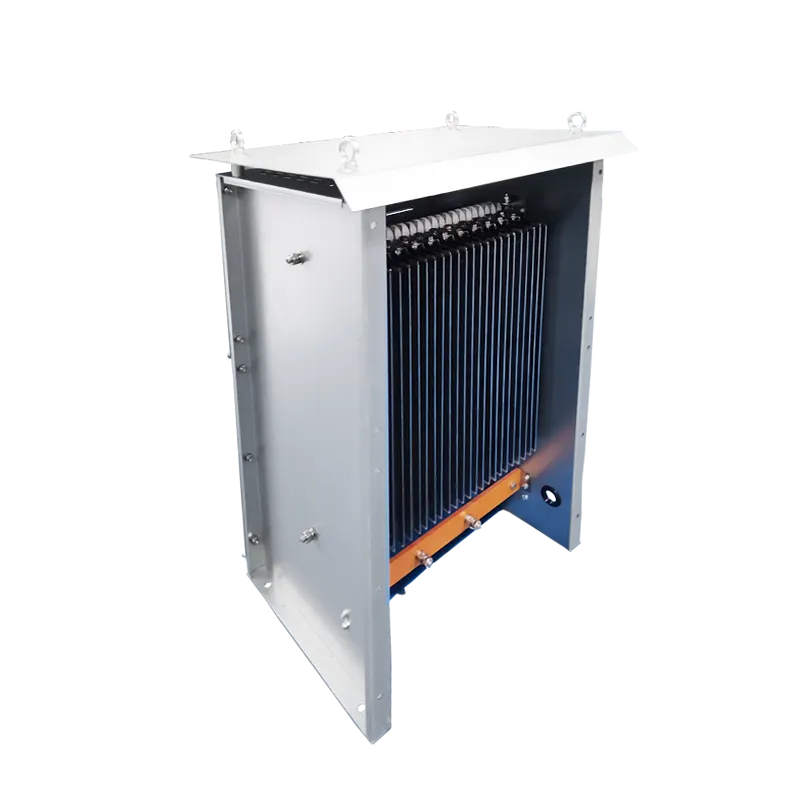
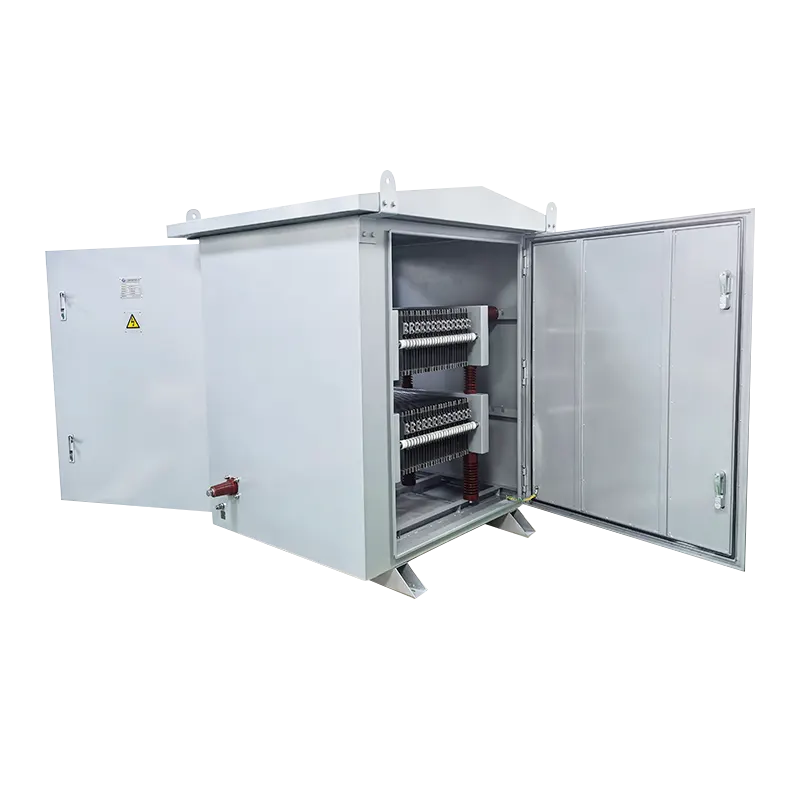
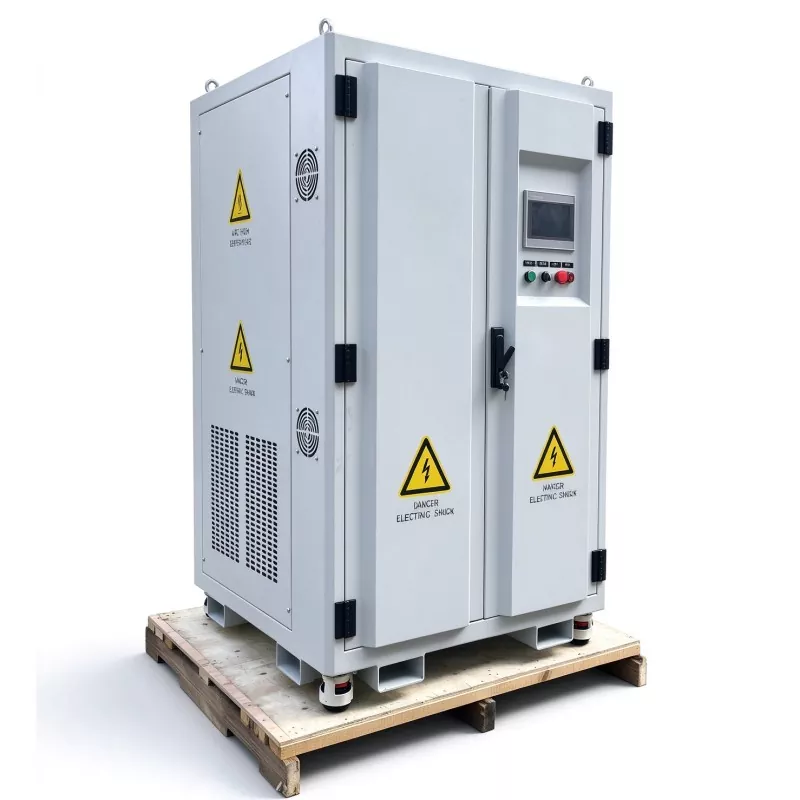
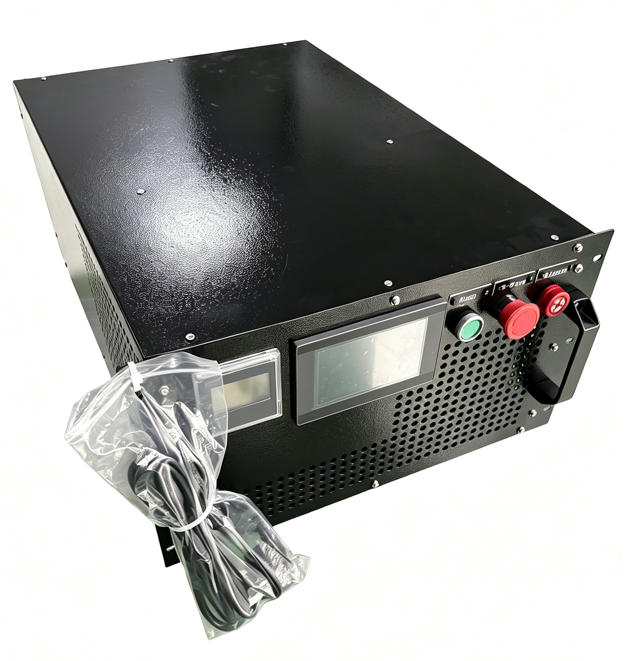
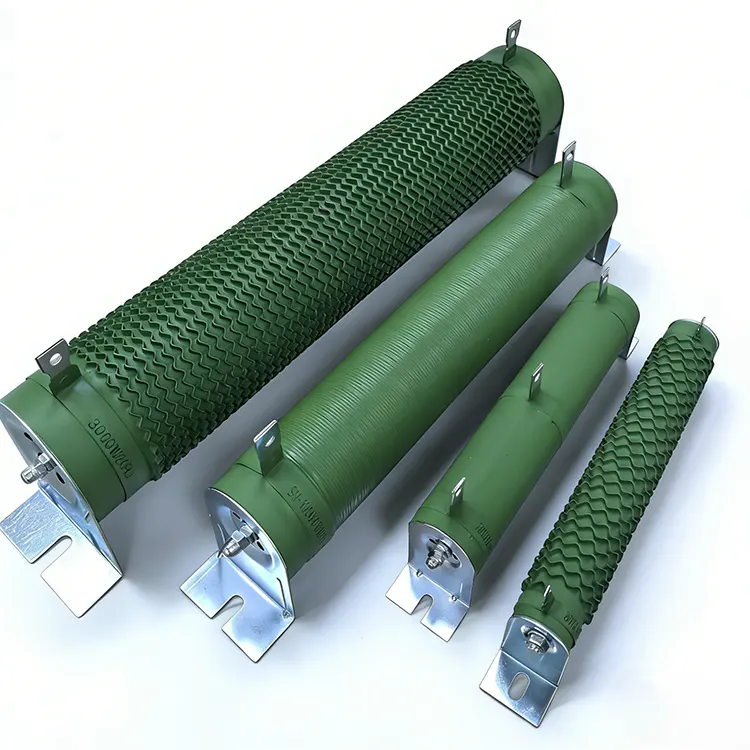
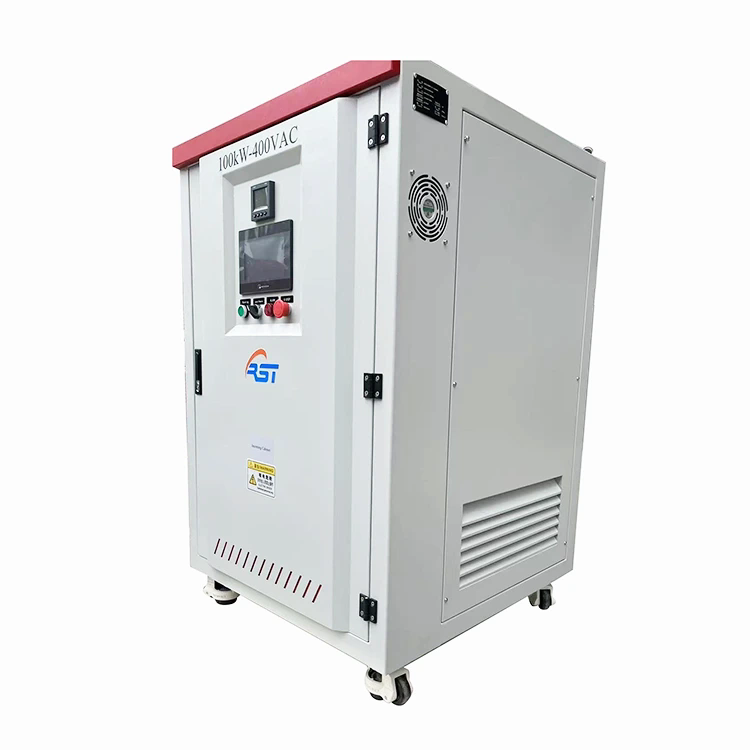
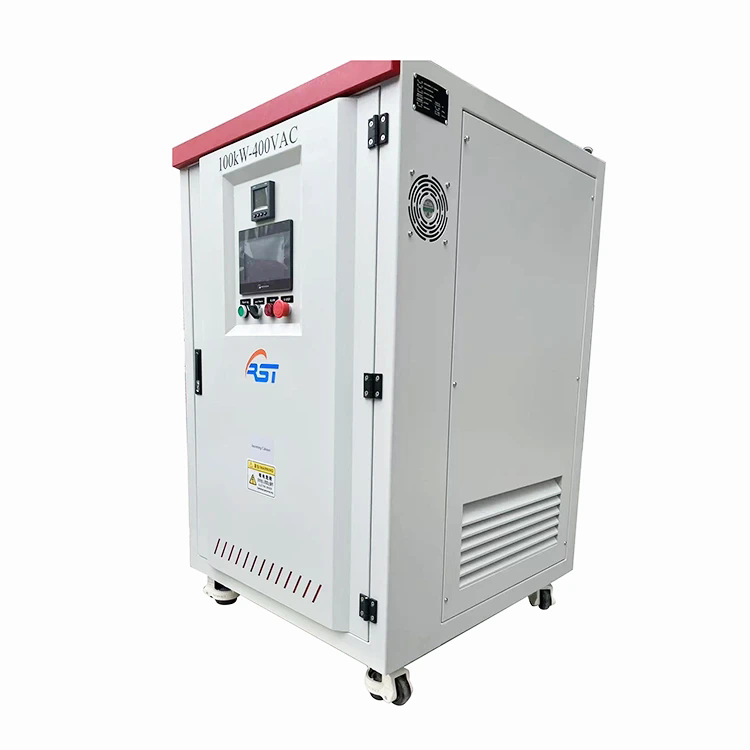
The Resistive And Inductive Load Bank is constructed by connecting or paralleling inductance components in series or parallel with resistive loads, thereby simulating the electrical characteristics of inductive loads (such as motors, transformers, electromagnets, compressors, etc.). The characteristic of inductive loads is that the current phase lags behind the voltage, resulting in a power factor less than 1 (usually ranging from 0.7 to 0.9), and generating a significant starting surge current. Therefore, the resistive-inductive load cabinet is mainly used to test the dynamic response capability, overload protection performance, and harmonic suppression effect of power supply equipment under low power factor, reactive load, and transient large current impact conditions. RST Electric also offers a variety of load banks in different specifications. Please feel free to come and consult for purchase!
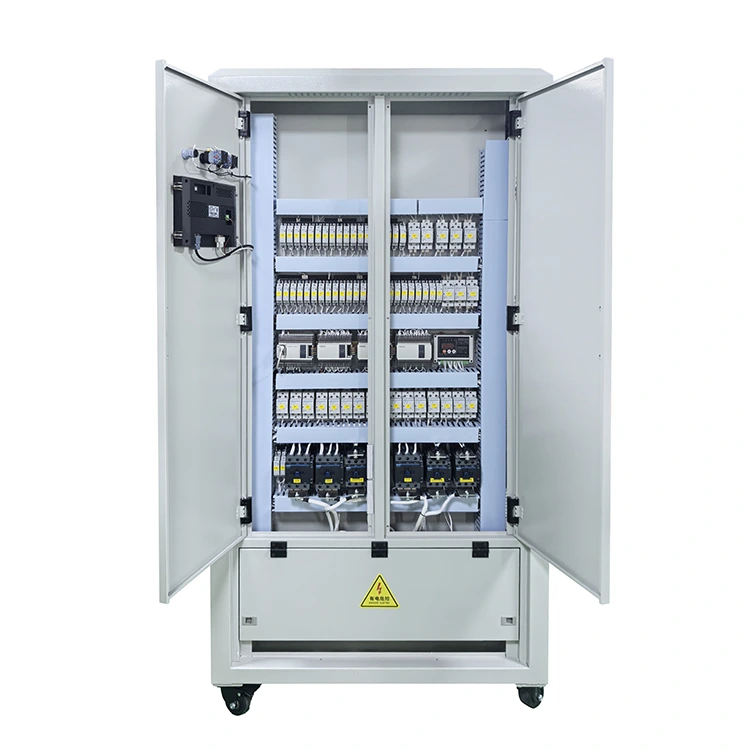
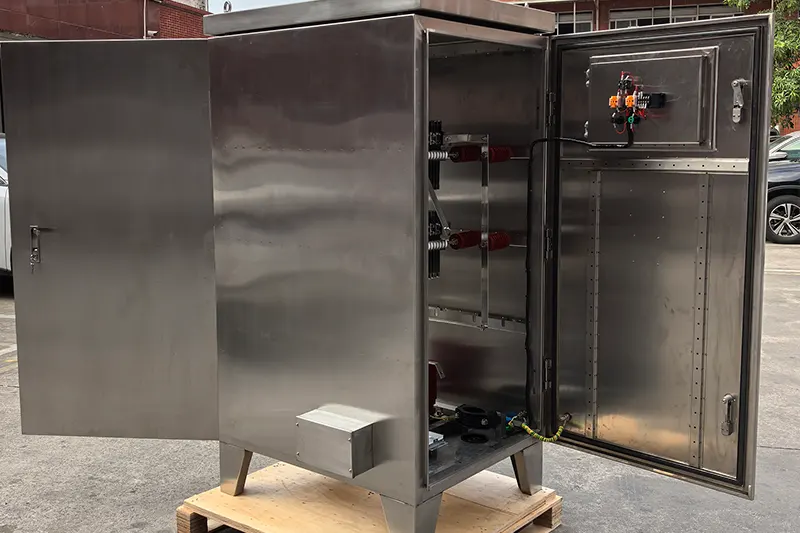
When the load cabinet is connected to the AC power supply, the resistors consume active power, the inductors store and release magnetic energy, thereby generating reactive power in the circuit. By changing the number of turns of the inductor or the air gap of the core, the power factor can be adjusted continuously or in steps from 0.6 to 1.0. To simulate the motor starting process, some of the Resistive And Inductive Load Bank also have the "sudden application and sudden removal" function that applies several times the rated current for a short period (such as 10 seconds). Inside the equipment, dry-type core reactors or air-core reactors are usually used, and cooling fans are configured to prevent excessive temperature rise. In terms of control, PLC and touch screens are adopted, allowing for the preset of various test curves (such as step changes in power factor, continuous fluctuations in load, etc.), and automatically recording key parameters such as voltage sag, frequency recovery time, and maximum transient deviation.
The factory tests of frequency converters with motor-type loads, the assessment of the adaptability of generator sets to non-linear loads, the overload switching tests of uninterruptible power supplies (UPS), the ground joint debugging of auxiliary converters for rail transit vehicles, and the harmonic analysis of ship power systems, etc. Compared with purely resistive loads, the Resistive And Inductive Load Bank can more accurately reflect the electrical conditions in actual industrial environments, avoiding overly optimistic test results due to excessively high power factor. When selecting, pay attention to: whether the rated current of the inductive components meets the starting peak (usually 5 to 7 times the steady-state value), whether the heat dissipation is sufficient (inductors generate a lot of heat), and whether the power factor adjustment range covers the minimum operating power factor of the tested equipment. In addition, if it is necessary to simulate the regenerative power generation condition of the motor, a feedback-type electronic load should also be combined.