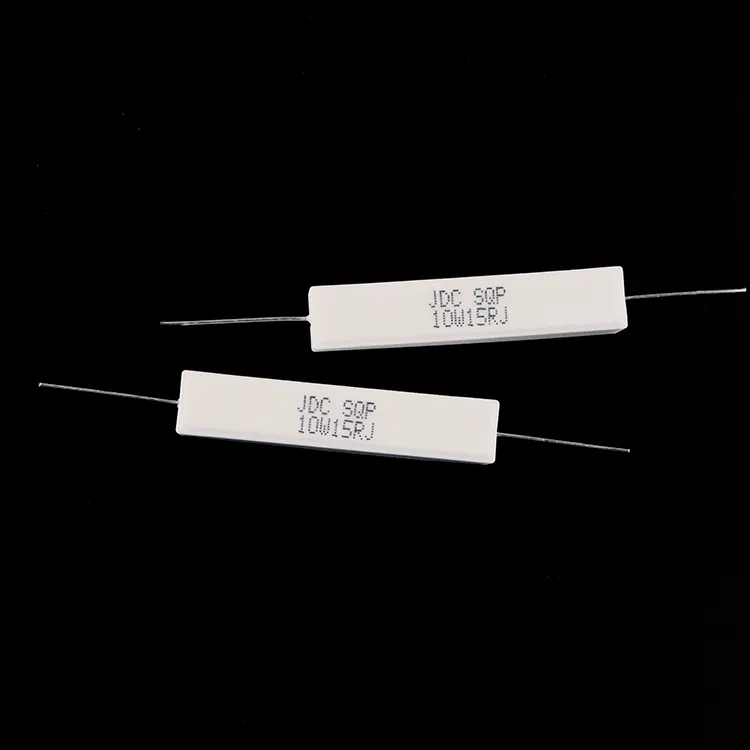
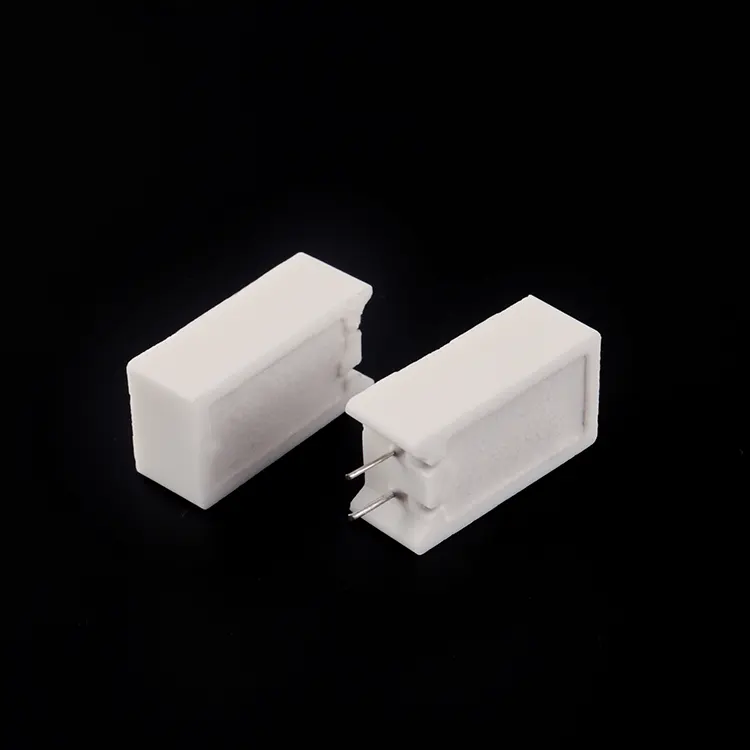
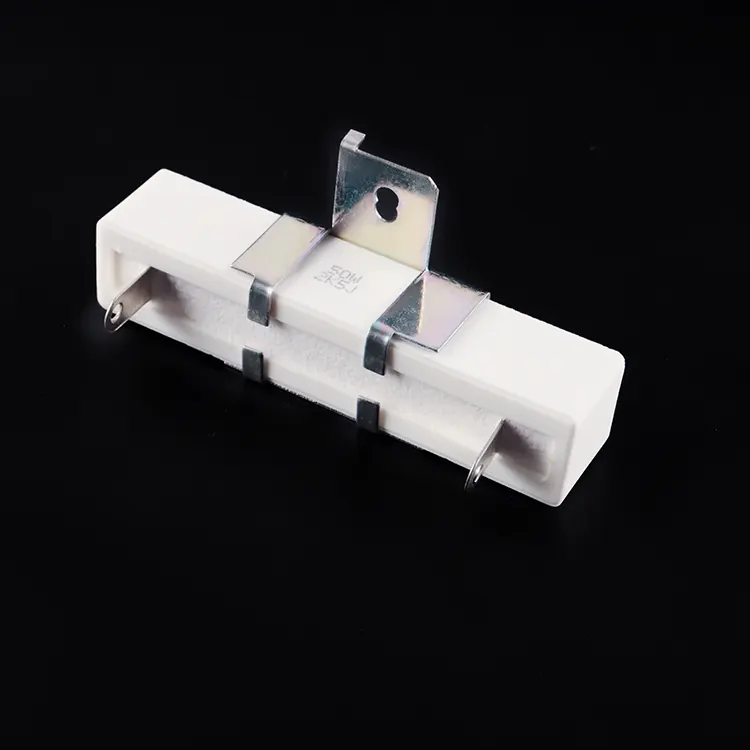
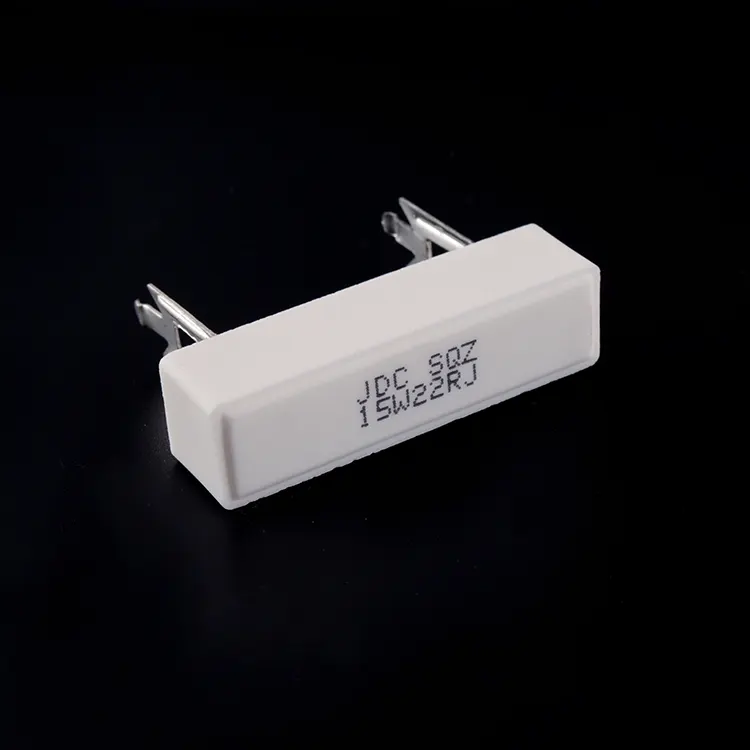
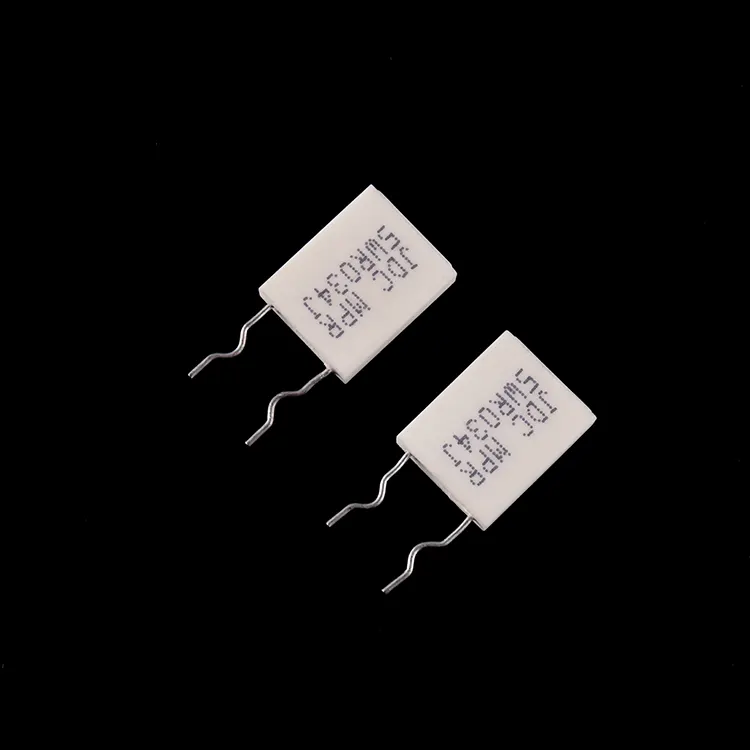
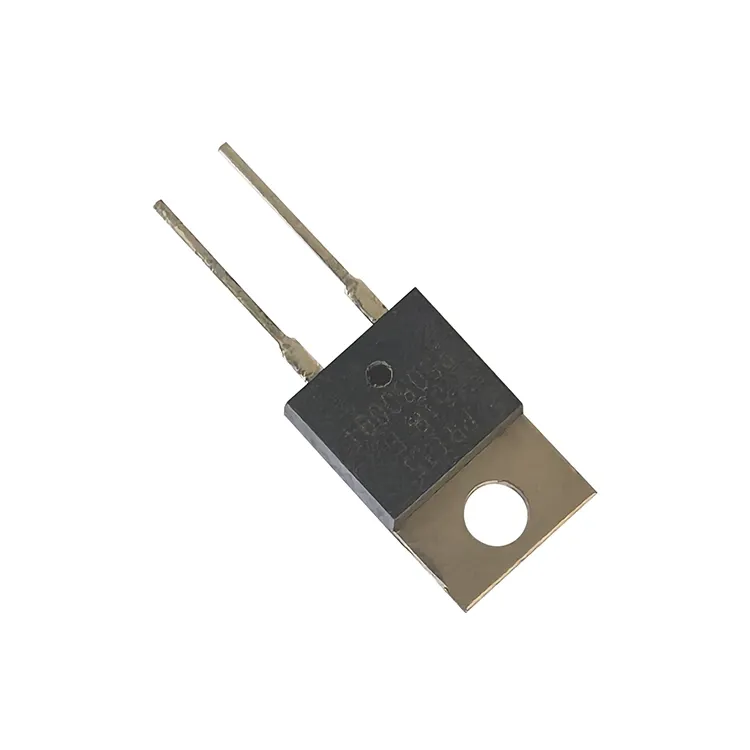
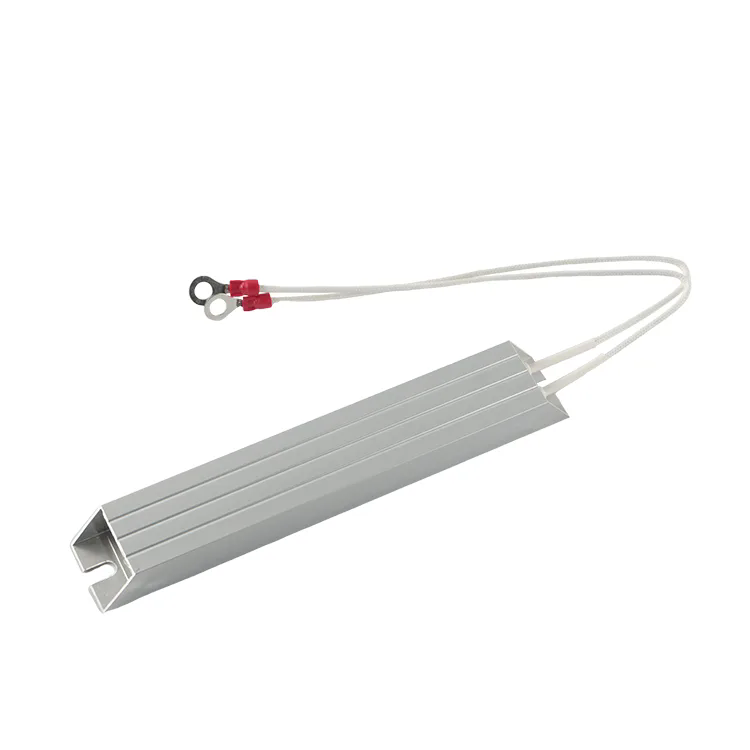
A Ceramic Encased Resistor is a power-type resistor component that encapsulates the resistance core (usually a wound resistor or a metal oxide film resistor) within a ceramic casing and seals it with heat-resistant cement (or quartz sand, thermal conductive silicate materials). Its name stems from its appearance resembling cement filling, but the actual internal filling material is mostly refractory quartz sand or specialized thermal conductive mortar. Due to the excellent heat resistance, insulation, and flame retardancy of both the ceramic casing and the filling material, the cement resistor can withstand high power dissipation and short-term overload, and is widely used in power supply circuits, home appliance control boards, chargers, audio amplifiers, instruments and meters, etc., in scenarios that require high power, low cost, and high reliability.
The core of Ceramic Encased Resistor is the resistance wire (usually made of nichrome, manganin, or nickel-chromium alloy) that is evenly wound around the ceramic framework or on a metal oxide cylindrical base. The two ends of the resistance core are led out through leads or solder tabs, and the entire component is placed in a rectangular or elliptical ceramic housing. Then, quartz sand or cement slurry is filled in, and finally, it is baked at high temperature to solidify. The functions of the filling material include: fixing the resistance core, isolating air to prevent oxidation, conducting heat to the ceramic housing, and absorbing instantaneous overload energy. The surface of the ceramic housing is usually printed with information such as resistance value, power, and accuracy. The lead forms include axial leads, radial leads, and plug-in type (suitable for PCB welding or terminal connection). The power range of cement resistors is from 1W to several watts (commonly 2W, 3W, 5W, 10W, 20W), the resistance range is 0.1Ω to 100kΩ, and the accuracy is generally ±5% or ±10%, and some can reach ±2%.
- Excellent heat resistance: It can operate stably in an environment ranging from -40℃ to +200℃. During short-term overload, the filling material can absorb a large amount of heat, delaying the temperature rise.
- Flame retardant and safe: Both the ceramic casing and the cement filling are non-combustible materials. Even if the resistance wire burns out, it will not catch fire, meeting the UL94 V-0 standard.
- Low cost: The structure is simple, and the raw materials are readily available. It is one of the most economical solutions among high-power resistors.
- Strong tolerance to pulse: Compared to surface mount resistors or metal film resistors, Ceramic Encased Resistor can withstand several times the rated power of instantaneous shock, suitable for surge current limiting and capacitor charging applications.
- Input surge limiting resistors for switching power supplies (connected in series at the AC input terminal to suppress the startup surge current).
- Discharge resistors for capacitor filters (connected in parallel across the high-voltage capacitors to release the charge after power-off).
- Output power resistors for audio amplifiers (acting as dummy loads or output current limiting).
- Voltage reduction resistors in home appliance controllers (such as speed control for fans or current limiting for relays).
- Primary-side absorption buffer circuits of chargers and adapters (the R in RCD Snubber).
- Sampling resistors for LED driver power supplies (low-resistance cement resistors, such as 0.1Ω/5W).
1) Rated Power: Select based on the actual power consumption in the circuit, and reserve at least 50% margin. For example, if the measured power is 2W, a 3W or 5W ceramic resistor should be chosen. Note power reduction - when the ambient temperature exceeds 70℃, use according to the curve for reduction.
2) Resistance Value: Determine based on Ohm's Law and the required current/voltage.
3) Size: Corresponding to standard housing sizes for different power levels (e.g., 5W is typically 18×8×25mm), ensure that the PCB pad spacing matches.
4) Lead Style: Vertical (radial) type saves PCB area, while horizontal (axial) type is conducive to heat dissipation.
5) Voltage Rating: For high-voltage circuits (>300V), check the voltage rating of the resistor. Usually, ceramic resistors have a voltage rating of 350V to 500V. For higher voltages, use dedicated high-voltage resistors.
6) Non-inductive Requirement: If used in high-frequency or fast-switching circuits, choose "non-inductive ceramic resistor" (using double-wire winding or thick-film core), but the price is slightly higher.
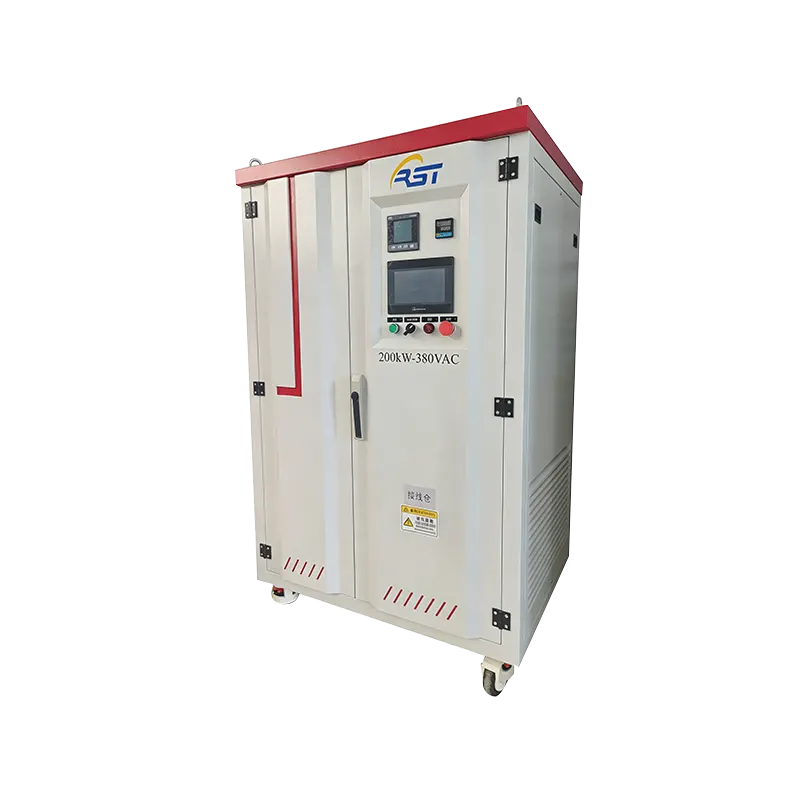
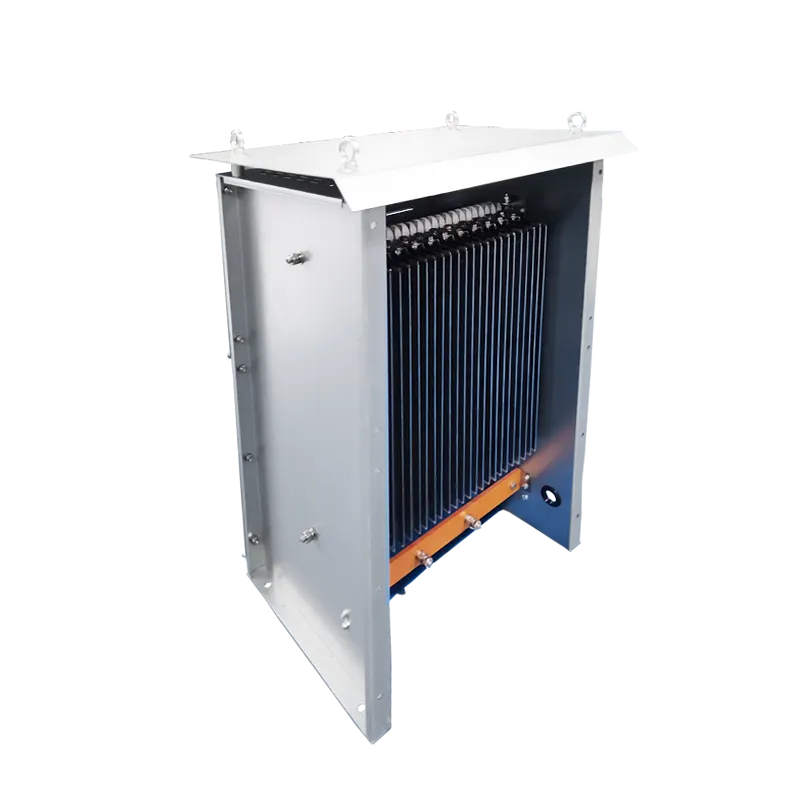
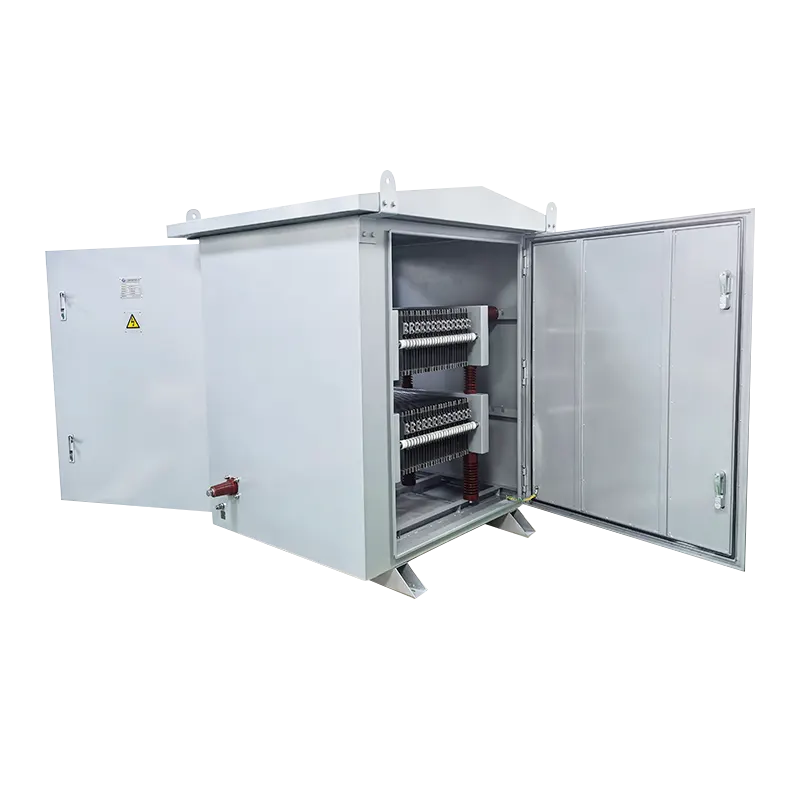
The surface temperature of the Ceramic Encased Resistor can reach 100 to 200 degrees Celsius during operation. Therefore, it must be kept at a sufficient distance from surrounding components and should not be placed closely against the PCB surface. The leads can be raised to suspend the resistor body, facilitating air convection for heat dissipation. If multiple cement resistors are arranged in a concentrated manner, the overall temperature rise should be considered. Additionally, the ceramic shell of the cement resistor is relatively brittle. During installation, avoid severe collisions or excessive bending of the leads to prevent the shell from cracking. The failure mode is mostly open circuit (resistor wire melting), and short circuits rarely occur. Due to its low cost and high reliability, cement resistors are still widely used in consumer and industrial electronic products to this day. In addition, RST Electric also has other types of Ceramic Resistors. Please come and consult for purchase!