Welcome to RST Electric’s News Center, your go-to source for the latest updates on Load Bank, Braking Resistor, Ceramic Resistor industries and our company developments.
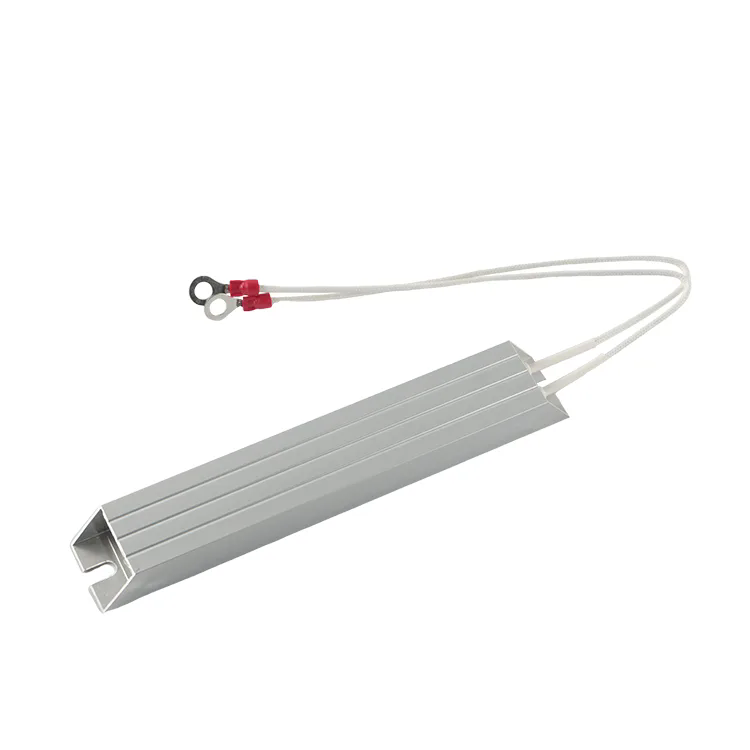
This article provides a detailed technical examination of the Aluminum Housing Resistor, exploring its construction, thermal management principles, and critical role in industrial power control. The discussion covers wirewound and thick-film technologies, power ratings, heat dissipation mechanisms, and application considerations for demanding environments requiring reliable high-power resistors.
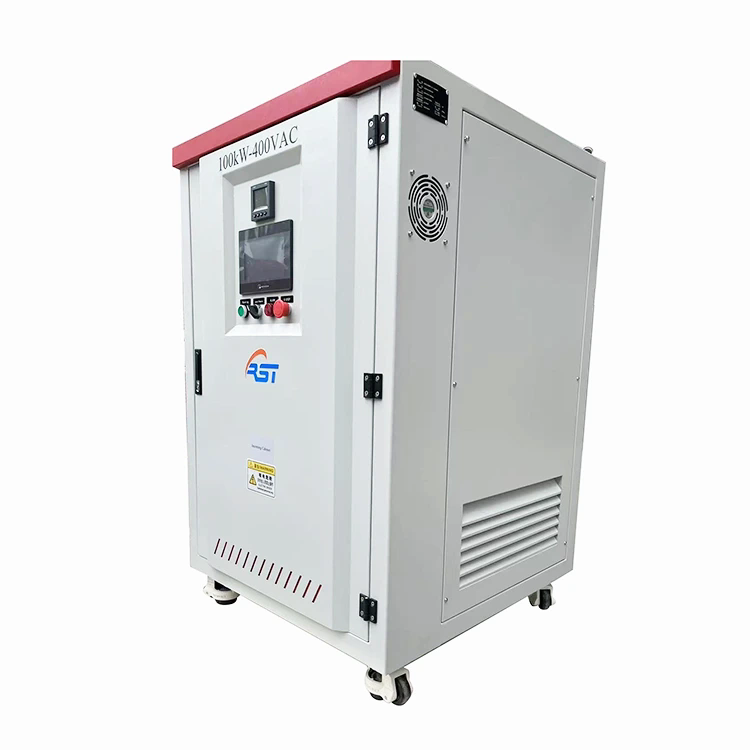
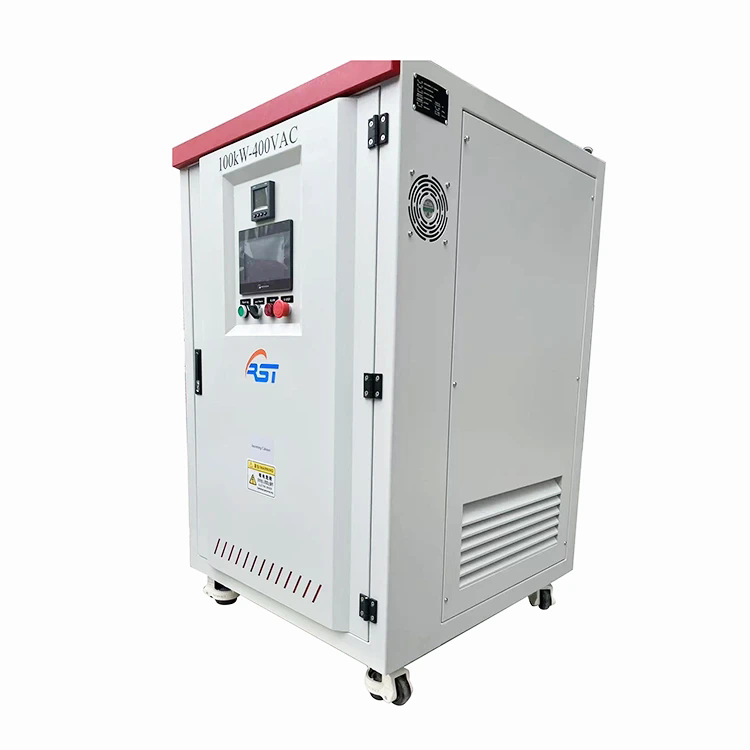
This article examines the engineering principles and application contexts of the 100KW AC Load Bank, a critical tool for verifying the performance of AC power sources. The discussion covers its technical specifications, load element types, control methodologies, and integration into preventative maintenance programs, drawing on established industry practices.
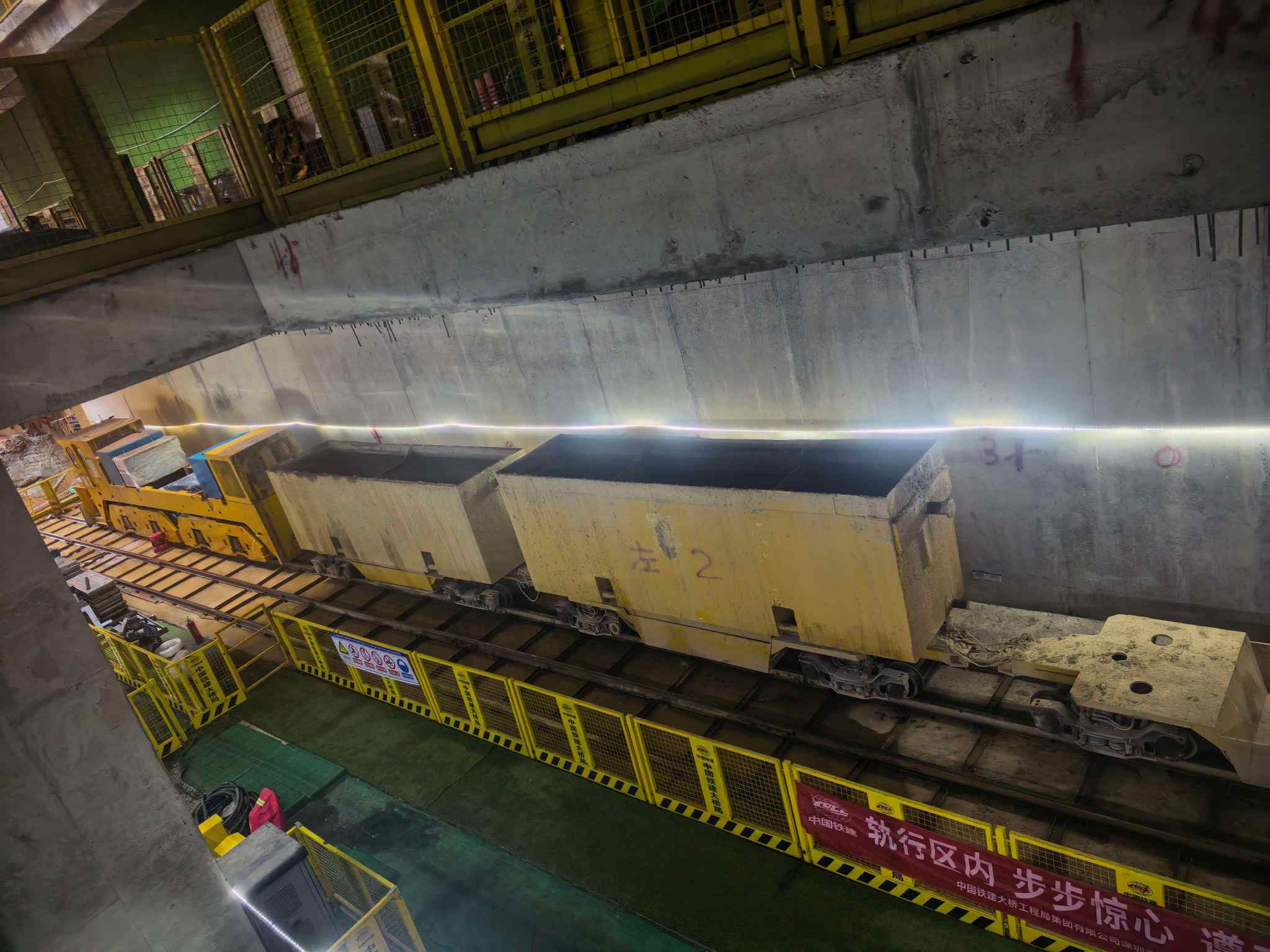
Shenzhen Metro Line 27 is being built in an underground shield-tunneling environment. The supplied site photos show a rail-bound muck transport locomotive and cars working inside the tunnel, where repeated starts, stops and loaded movements call for predictable electrical braking.
Resistive load banks play a critical role in testing, maintaining, and validating power systems. They provide controlled electrical loads to ensure generators, UPS systems, and other power equipment operate reliably under real-world conditions. This article explores the principles, applications, benefits, and best practices of using resistive load banks to solve common power system challenges.
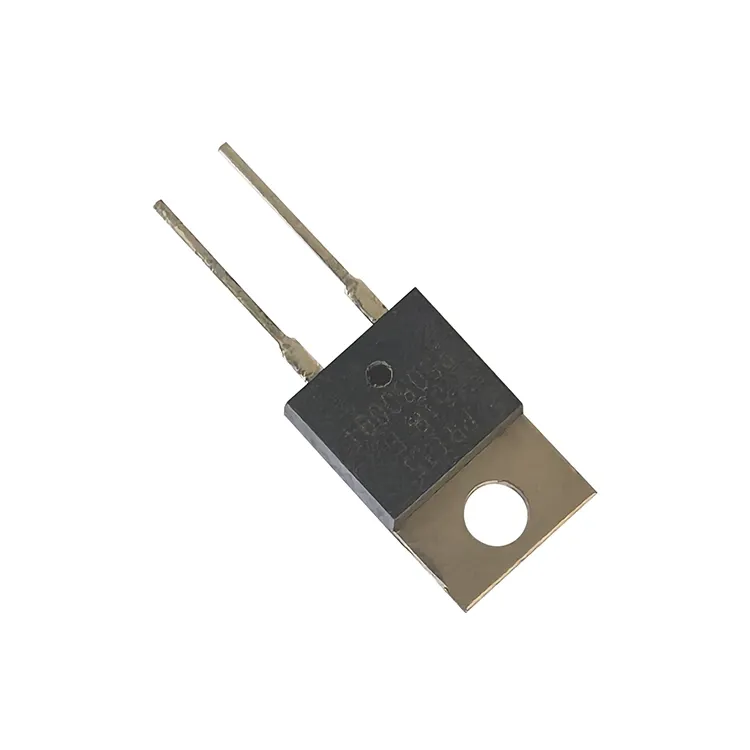
As automotive and consumer electronics advance rapidly, the demand for reliable, cost-effective, and high-performance resistors has surged. Among various resistor types, Thick Film Resistor stands out as a preferred solution, addressing critical challenges in circuit design, durability, and cost control. This article explores its key features and why it gains popularity in modern applications.
In modern power systems, rectifier-type nonlinear loads are widely deployed across various industries. Traditional linear load testing cannot simulate real operating conditions, which easily causes voltage distortion, excessive harmonic content and overheating faults after power equipment is put into use.
We use cookies to offer you a better browsing experience, analyze site traffic and personalize content. By using this site, you agree to our use of cookies. Privacy Policy

 20 2026-09
  24 2026-08
  21 2026-07
  20 2026-05
  15 2026-05
  11 2026-05