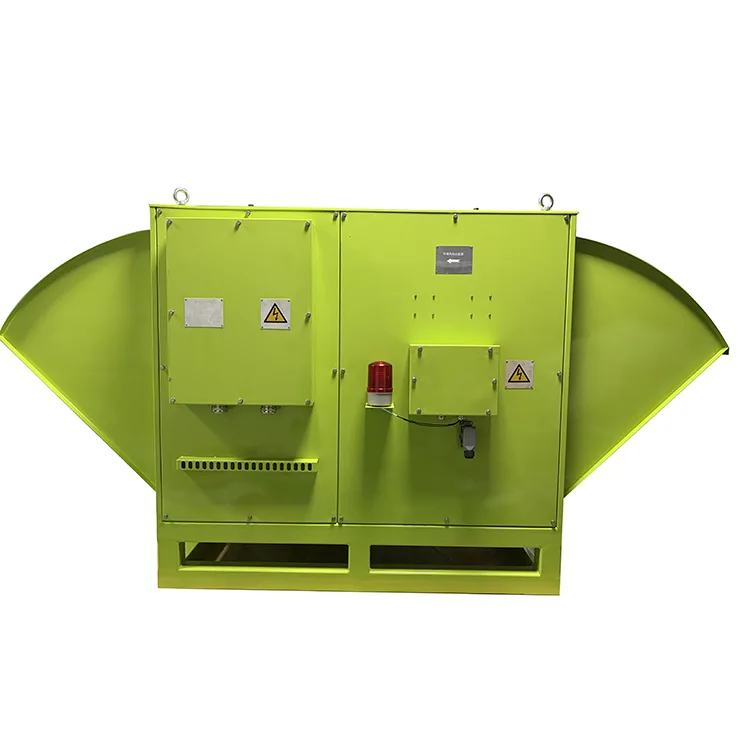
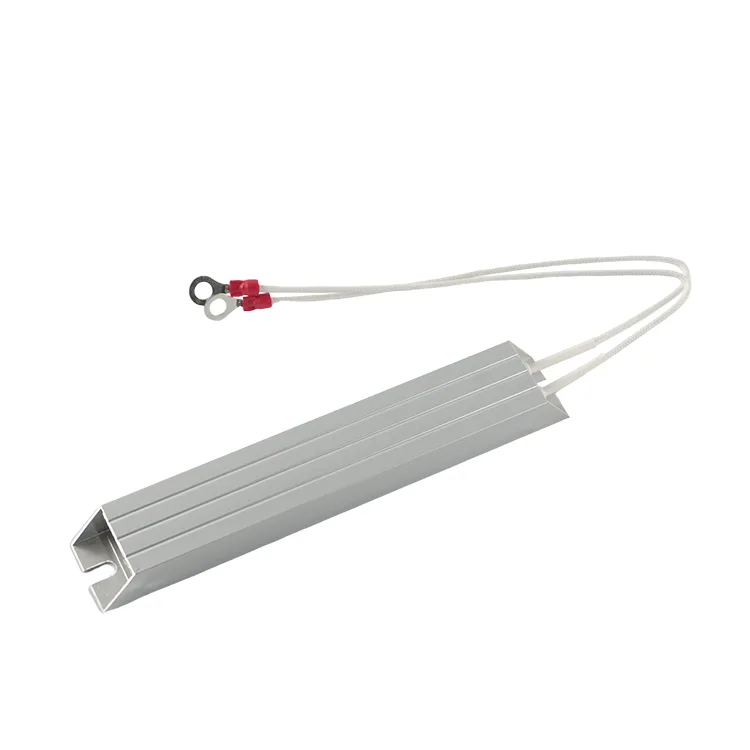
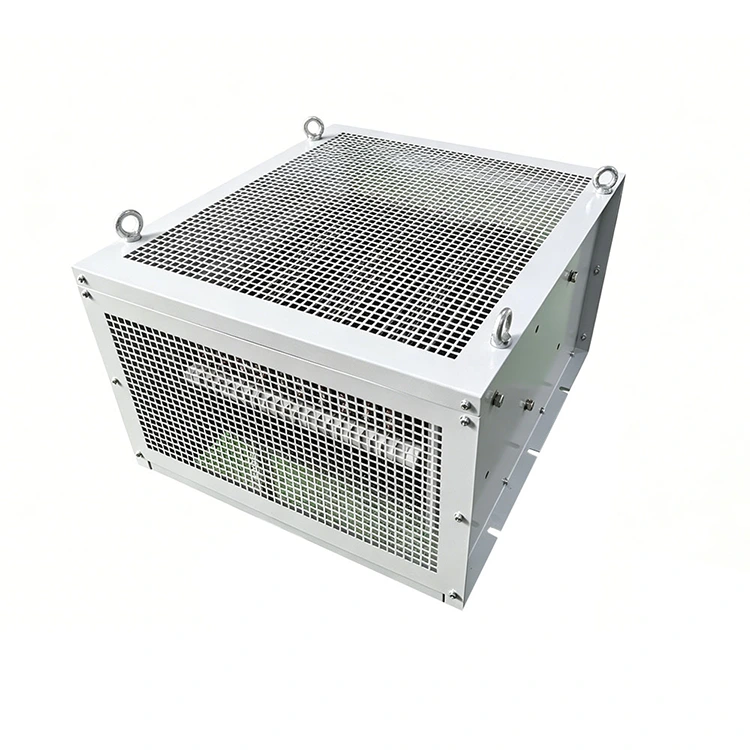
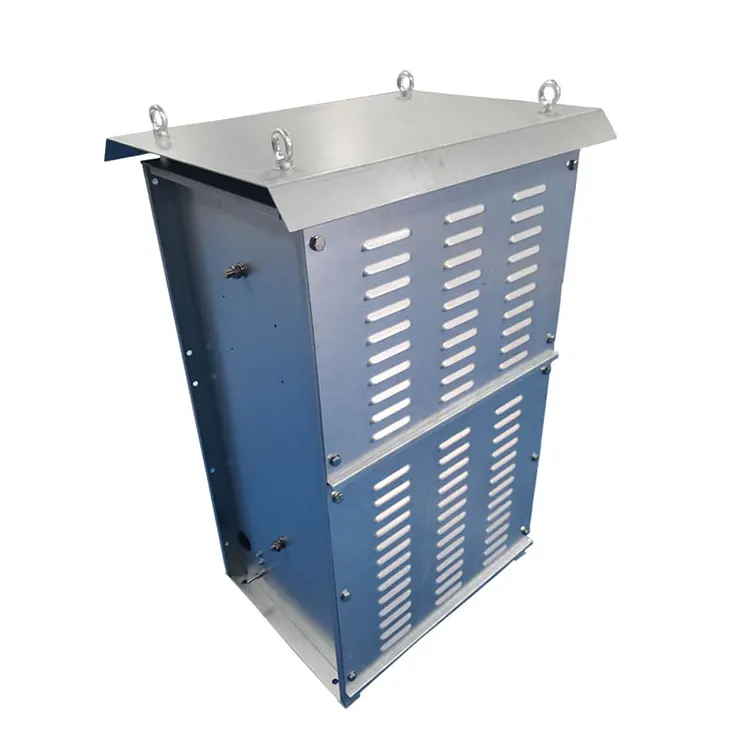
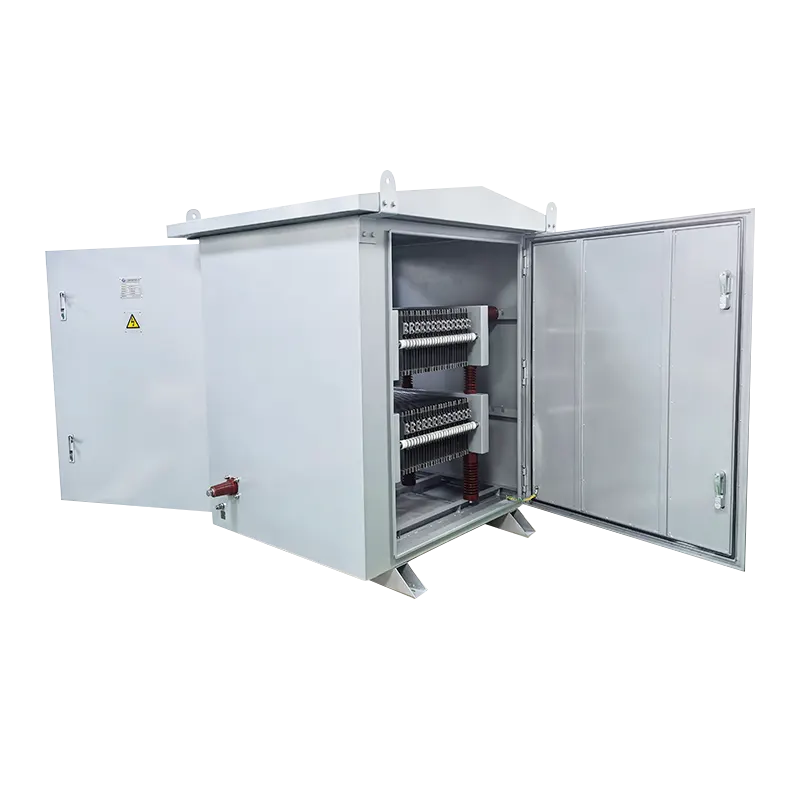
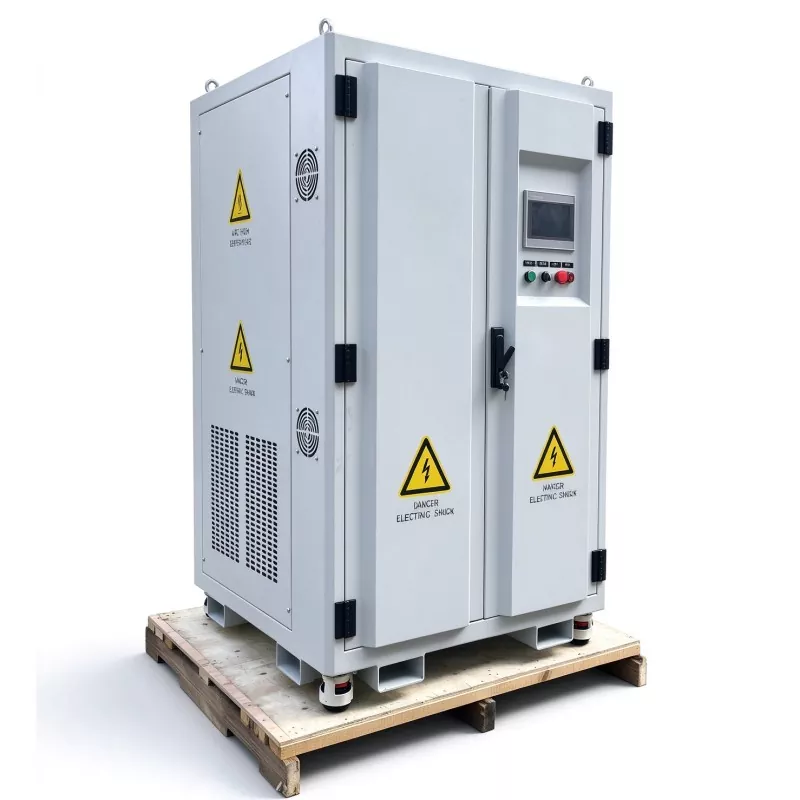
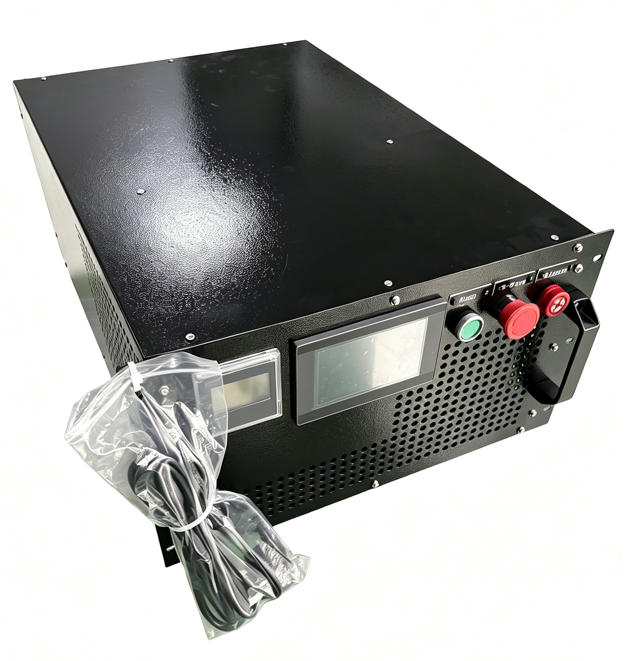
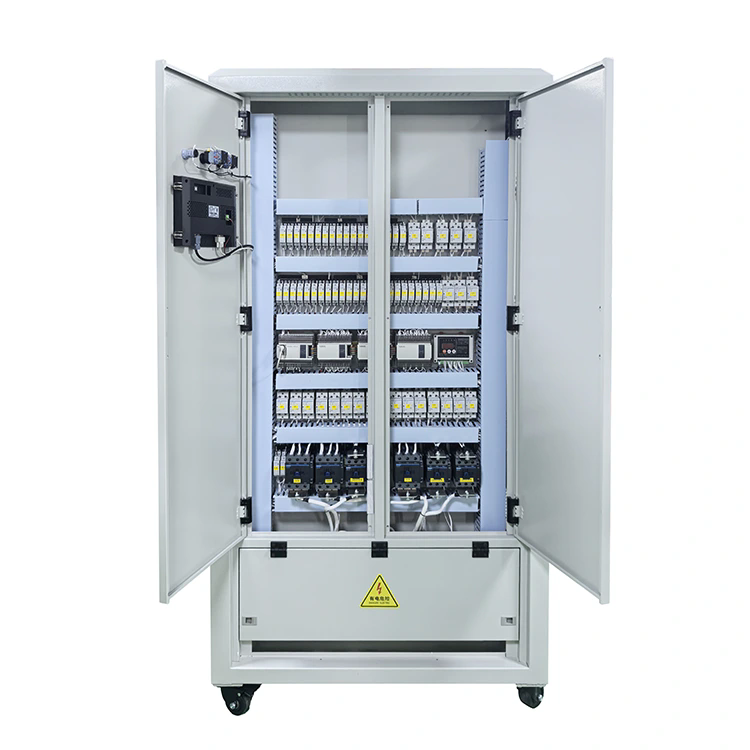
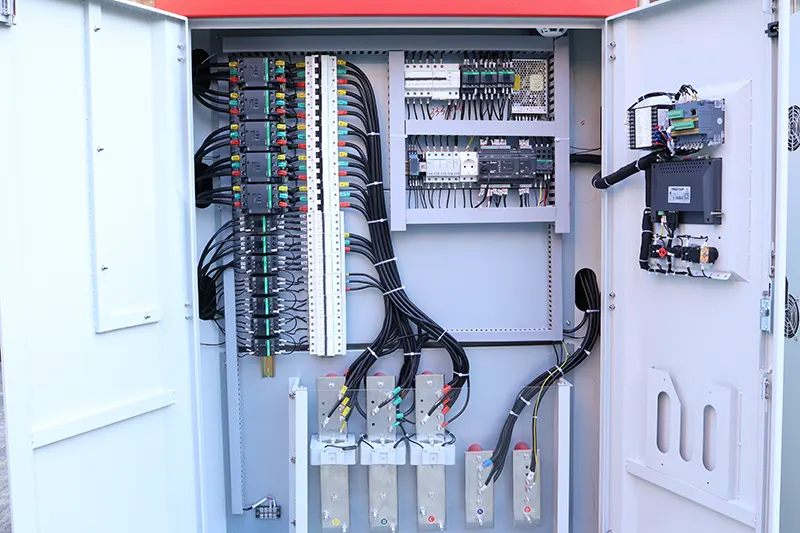
We offer braking resistors from 1kW to over 2000kW, supporting voltages from 12V DC to 1200V AC. Whether you need a compact 50W aluminum housed unit for a servo drive or a 2000kW stainless steel grid resistor for a mining haul truck, our portfolio covers the spectrum.
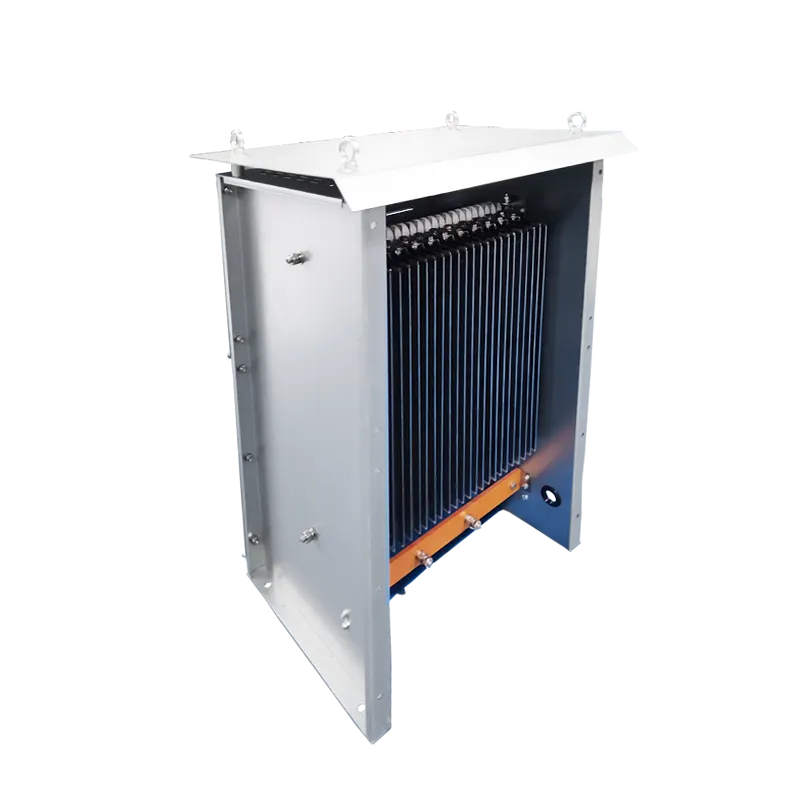
· Stainless Steel Grid Resistors: Heavy-duty, open-air design with high pulse capability. Ideal for ports, mining, and high-inertia applications.
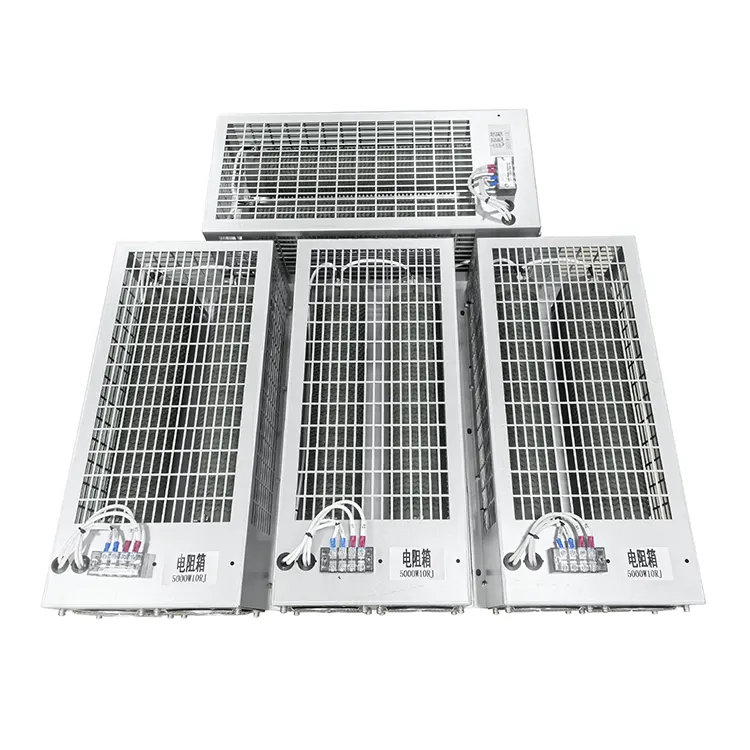
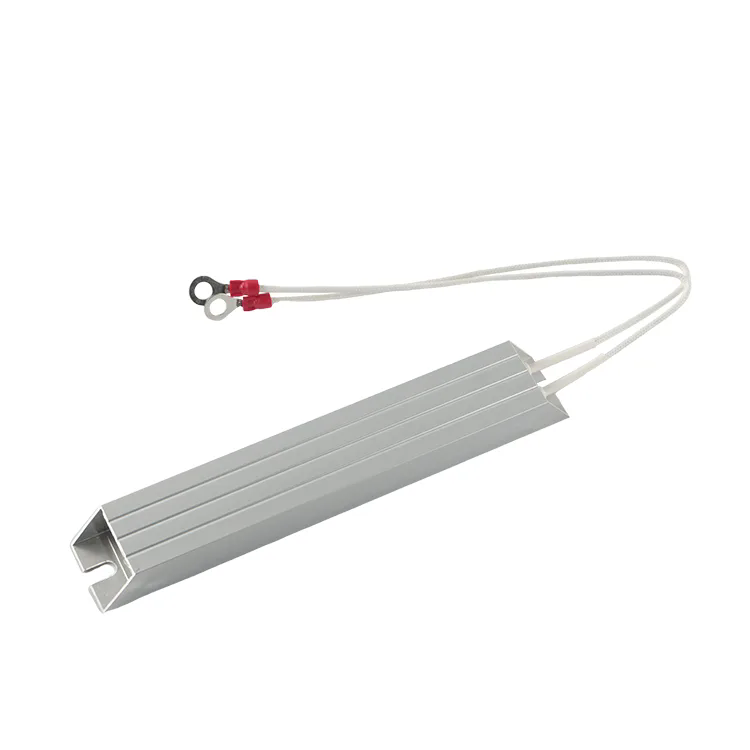
· Aluminum Housed Resistors: Compact, chassis-mountable units with excellent heat dissipation. Perfect for VFDs, elevators, and industrial machinery.
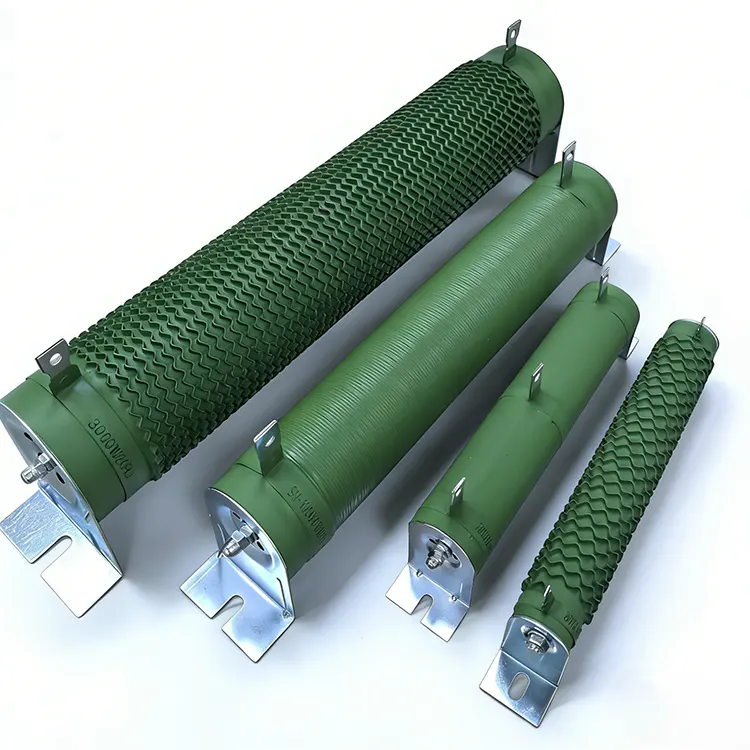
· Ceramic Wirewound Resistors: Cost-effective, axial or radial lead designs for smaller drives, HVAC systems, and test equipment.
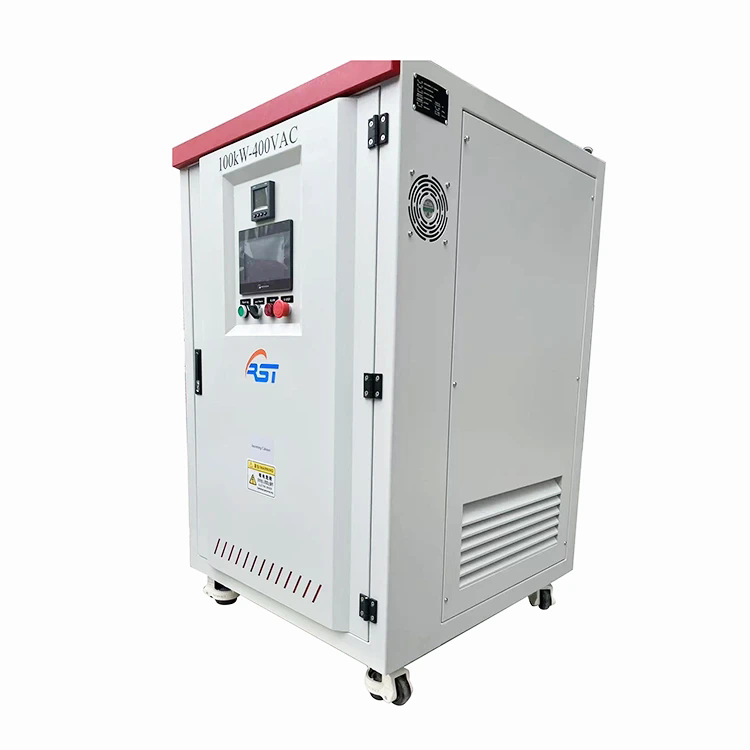
· Liquid-Cooled Resistors: Ultra-quiet, high-density solutions for space-constrained or noise-sensitive environments.
· Forced Air Cooling: Integrated fans maintain optimal temperatures during continuous braking cycles.
· Natural Convection: Open-grid designs rely on passive airflow for simple, reliable operation.
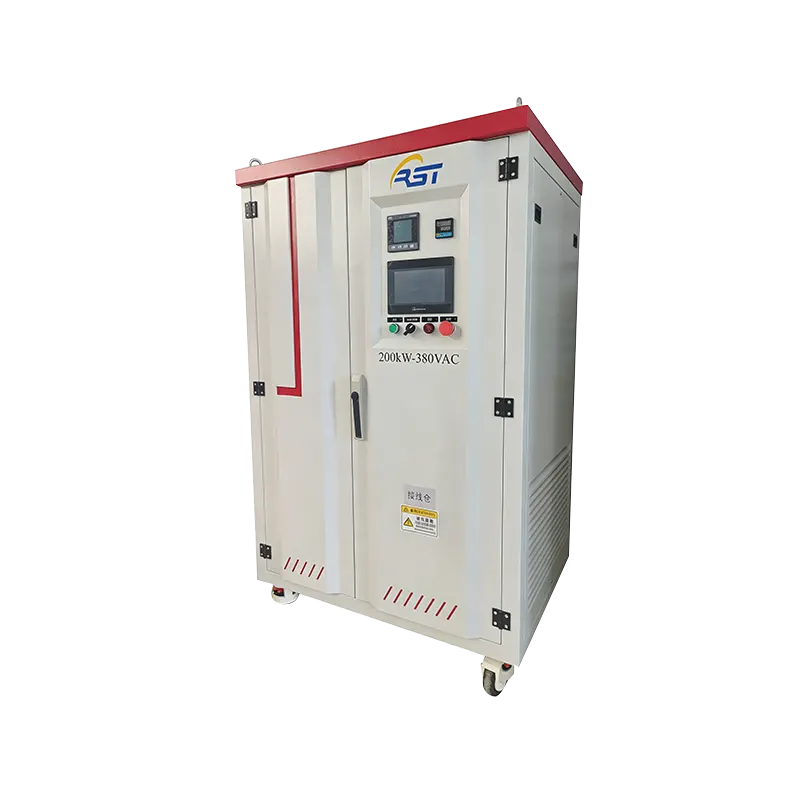
· Liquid Cooling: Achieve exceptional power density in compact footprints, ideal for marine, wind turbine, and data center applications.
Our braking resistors incorporate thermal cut-offs, overload protection, and flame-retardant materials to ensure safe operation. IP-rated enclosures protect against dust, moisture, and corrosion, extending service life in harsh environments.
· Ports & Container Terminals: STS cranes, RTG cranes, and ship-to-shore equipment require high-peak-power resistors to handle frequent, high-inertia braking cycles.
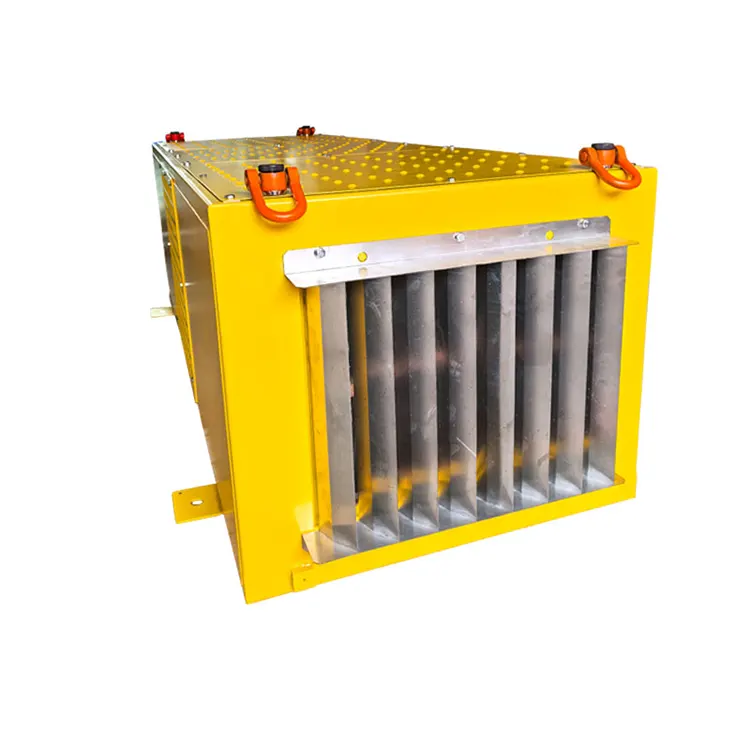
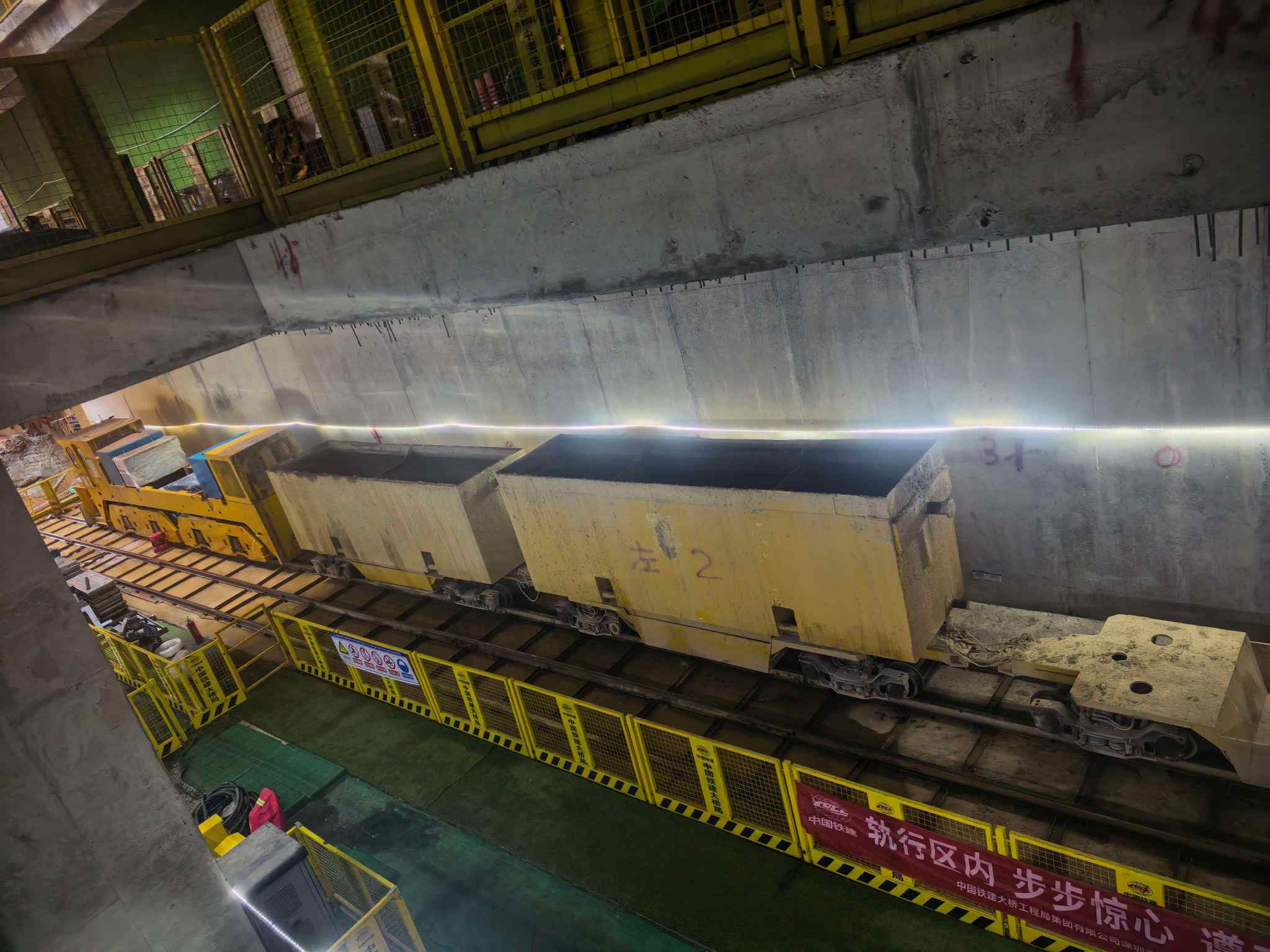
· Mining & Heavy Industry: Haul trucks, excavators, and conveyor systems rely on rugged, vibration-resistant braking resistors for safe deceleration on steep grades.
· Industrial Automation: VFDs, servo drives, and CNC machines use it for controlled stopping, precise positioning, and energy management.
· Elevators & Lifts: Braking resistors dissipate regenerative energy during descent, ensuring smooth, reliable operation and passenger safety.
· Renewable Energy: Wind turbine pitch control and solar tracker drives use it for emergency stops and load management.
· Test & Simulation: Dynamometers and motor test benches employ braking resistors to simulate mechanical loads and absorb regenerative power.
As a certified manufacturer based in China, we maintain full control over design, material selection, production, and testing. Our factory-direct pricing eliminates intermediaries, ensuring competitive costs without compromising quality.
Our 7,000+ square meter facility is equipped with advanced winding machines, welding stations, and automated testing equipment. Every resistor undergoes 100% resistance verification, dielectric strength testing, and thermal validation before shipment.
We understand that off-the-shelf solutions rarely fit every requirement. Our in-house engineering team specializes in custom configurations:
· Power ratings: 1kW to 2000kW+
· Voltages: 12V to 1200V AC/DC
· Enclosure: IP20 to IP56, stainless steel or painted steel
· Elements: Stainless steel grid, aluminum housed, ceramic wirewound
· Cooling: Natural convection, forced air, liquid
· Terminations: Cable lugs, screw terminals, flying leads
With exports to over 40 countries, including the United States, Germany, Australia, and Singapore, we have earned a reputation for reliability. Our multilingual technical support team provides responsive pre-sales consultation, application engineering, and after-sales service.
Q: What is the difference between a braking resistor and a dynamic braking unit?
A: A braking resistor is the passive component that dissipates regenerative energy as heat. A dynamic braking unit (or chopper) is the electronic control module that switches the resistor into the DC bus when voltage exceeds a threshold. Many drives have built-in choppers; we supply the matching resistor.
Q: How do I calculate the required braking resistor power rating?
A: The power rating depends on motor power, deceleration time, and duty cycle. A common rule: the resistor should be rated for at least 10–20% of the motor’s kW rating for standard applications, with higher values for frequent or high-inertia loads. Our engineering team can assist with detailed calculations.
Q: Can a braking resistor be used for continuous duty?
A: Yes, but the duty cycle rating (ED) must be appropriate. For continuous braking applications (e.g., downhill conveyors), we offer resistors with 100% duty cycle and forced air or liquid cooling.
Q: What IP rating do I need for outdoor installation?
A: For outdoor or wash-down environments, we recommend IP54 or higher. IP56 provides protection against strong water jets and is suitable for ports, marine, and mining applications.
To learn more about our specific braking resistor offerings, please explore the following product categories:
· Stainless Steel Grid Braking Resistors – Heavy-duty, high-power units for ports, mining, and heavy industry.
· Aluminum Housed Braking Resistors – Compact, chassis-mountable resistors for VFDs, elevators, and industrial drives.
· Ceramic Wirewound Braking Resistors – Cost-effective, axial/radial lead resistors for small drives and test equipment.
· Liquid-Cooled Braking Resistors – Ultra-quiet, high-density solutions for space-constrained or noise-sensitive applications.
· Custom Braking Resistor Solutions – Engineered to your exact specifications, including special voltages, enclosures, and terminations.