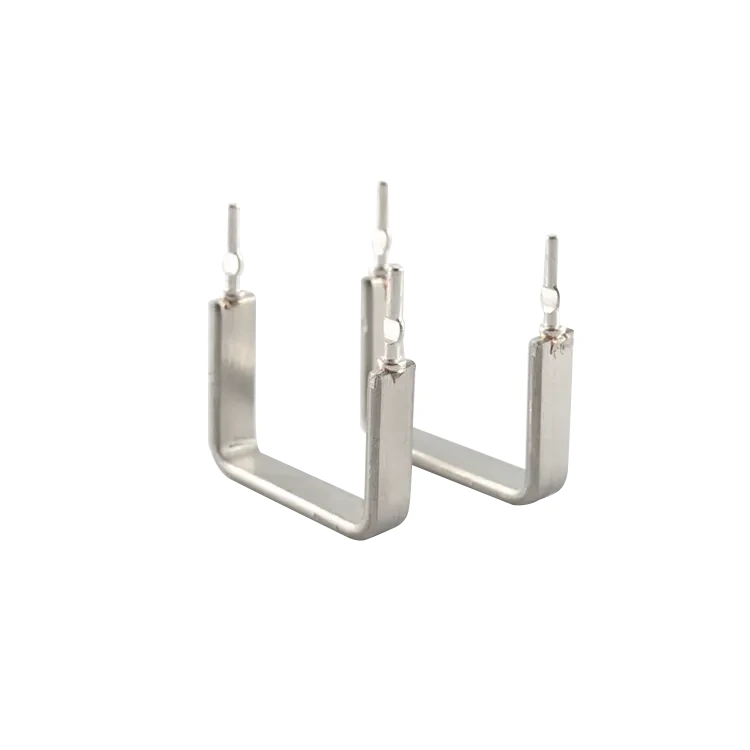
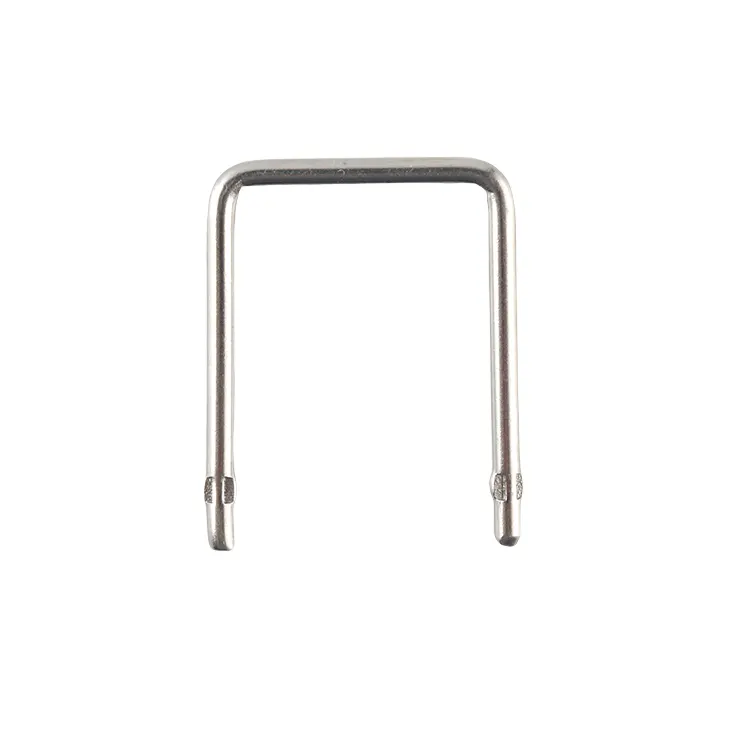
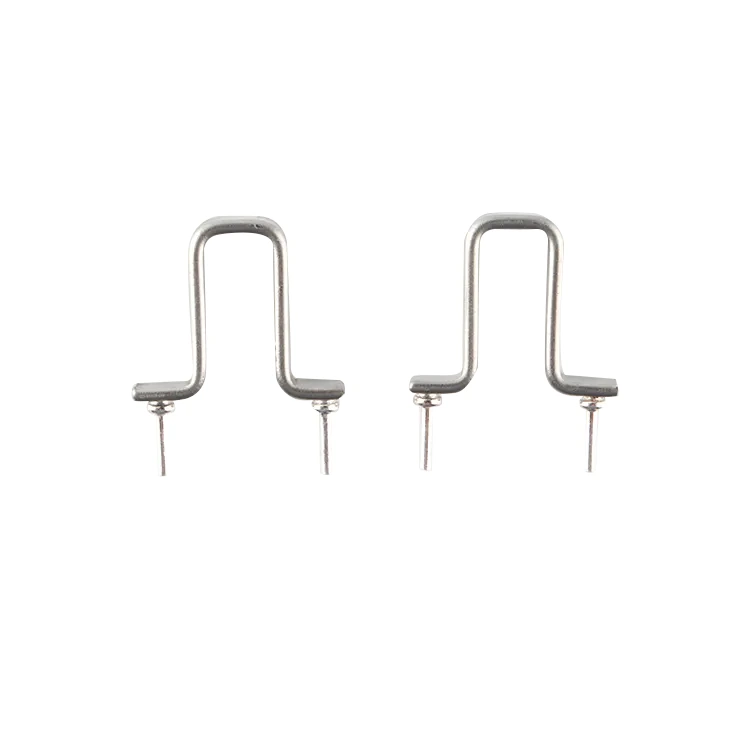
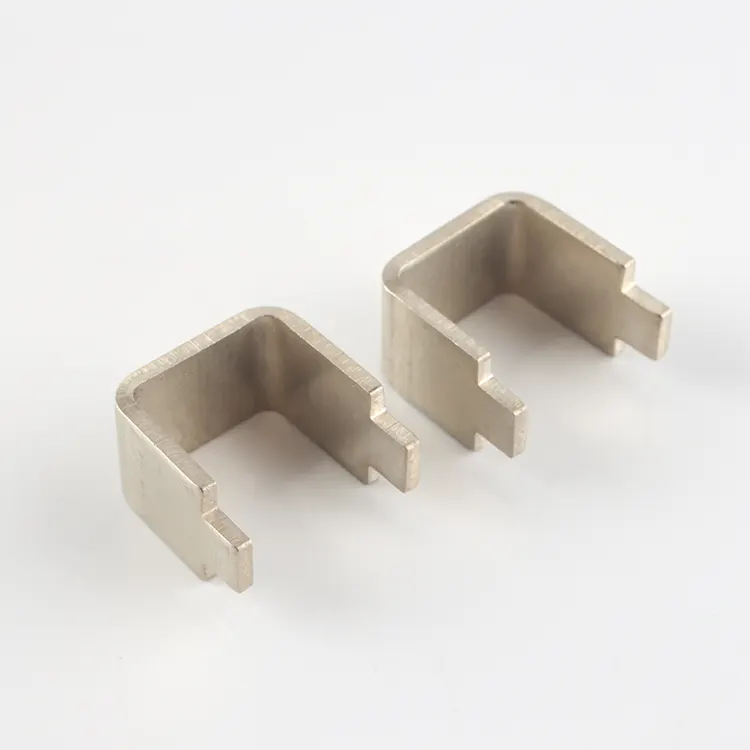
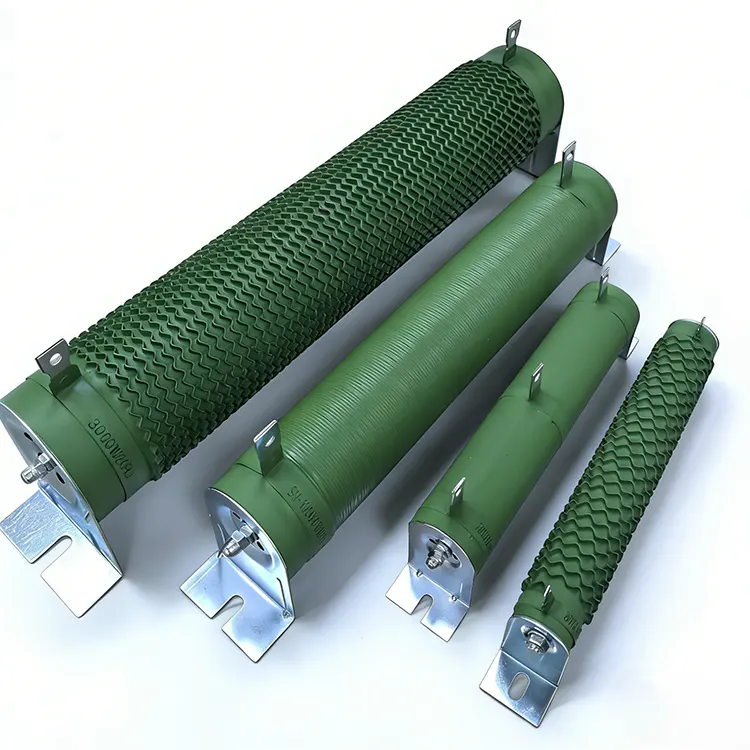
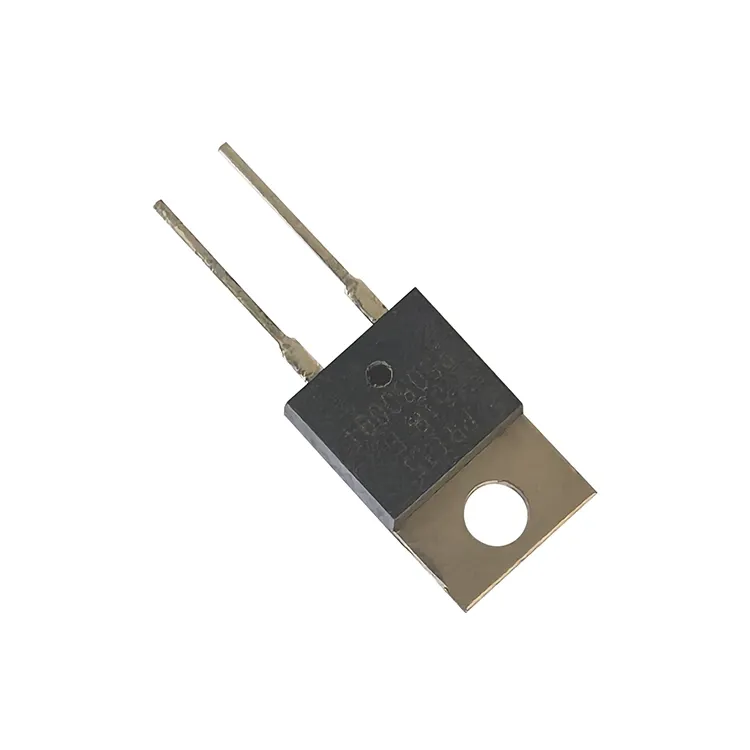
Through Hole Current Sense Resistor is a low-resistance, high-precision resistor designed for current sensing. It is installed through holes and connected in series in the current-carrying circuit. Using Ohm's Law, it converts the current into a tiny voltage signal (typically ranging from several tens of millivolts to several hundred millivolts), which is then collected and processed by an operational amplifier or ADC to achieve functions such as overcurrent protection, current feedback, and battery capacity measurement. The plug-in packaging is mainly suitable for manual soldering or wave soldering processes and is commonly used in the development stage or small-scale production of power modules, motor drivers, battery protection boards, etc. Besides, RST Electric also offers various types of Current Sense Resistors. Please come and consult for purchase!
The resistance range is typically from 0.5mΩ to 100mΩ, with accuracy grades of ±1%, ±2%, and ±5%. The temperature coefficient (TCR) requirement is strict, usually ≤ ±50ppm/℃, and for high-end products, it can reach ±20ppm/℃. The power rating ranges from 0.5W to 10W. The resistance materials used are manganese copper, nichrome, or nickel copper alloys, as they are insensitive to temperature changes and have low thermoelectric potential.
The common Through Hole Current Sense Resistor comes in "U" shape, "M" shape or "footed" shape. That is, the resistor body has flat pins at both ends, which can be inserted into the holes of the PCB and soldered. There are also plug resistors with four-terminal Kelvin connection structure, which can eliminate the measurement errors caused by pin contact resistance and lead resistance, and have higher accuracy.
Phase current sampling in the electric vehicle controller (by detecting the voltage drop on the source resistor of the MOSFET); current mode control loop of the switching power supply; overcurrent protection for lithium battery protection board; input current monitoring of UPS; output current detection of inverter, etc. When selecting, pay attention to the following points:
1) Resistance selection: determined based on the maximum detection current and the full-scale voltage of the ADC. For example, if the current is 50A and the full-scale voltage of the ADC is 75mV, then the resistance is 1.5mΩ;
2) Power calculation: P = I²R, a margin of more than 50% should be reserved;
3) Temperature rise impact: under high current, the resistance itself heating will cause resistance drift, so low TCR is crucial;
4) Kelvin connection: for detection greater than 10A, it is strongly recommended to use a four-terminal sampling resistor to avoid measurement errors.