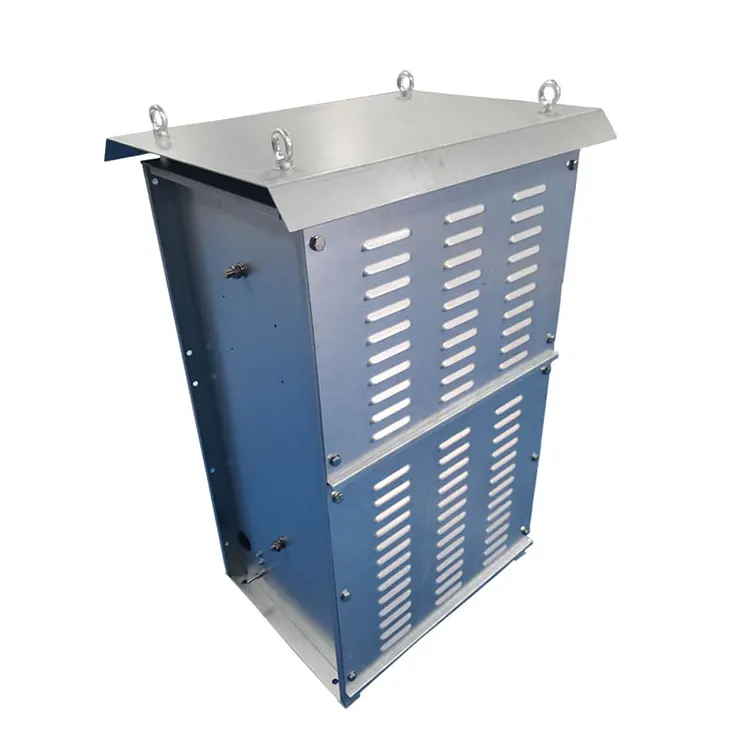
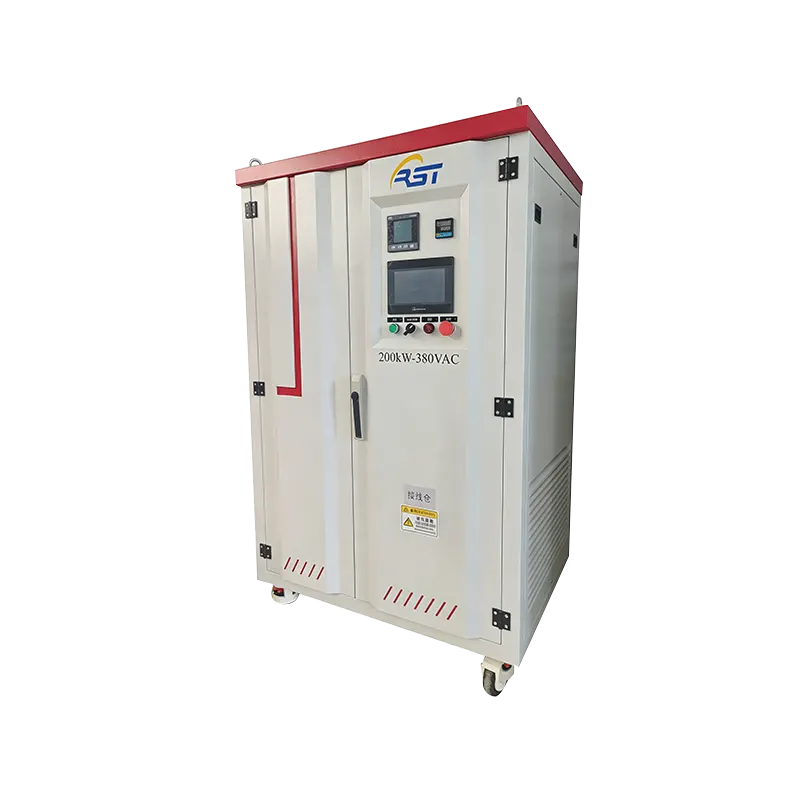
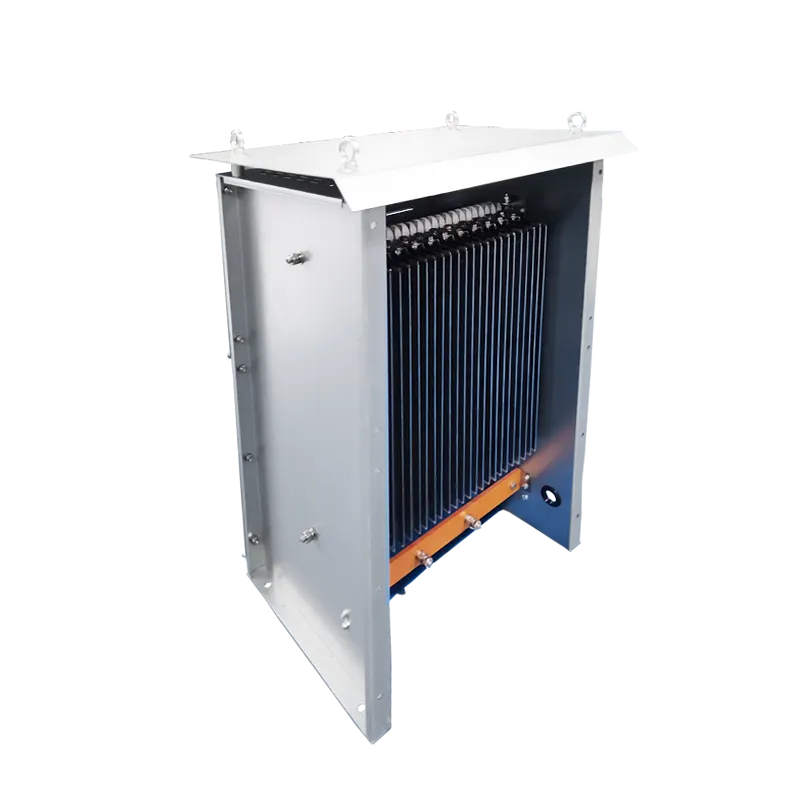
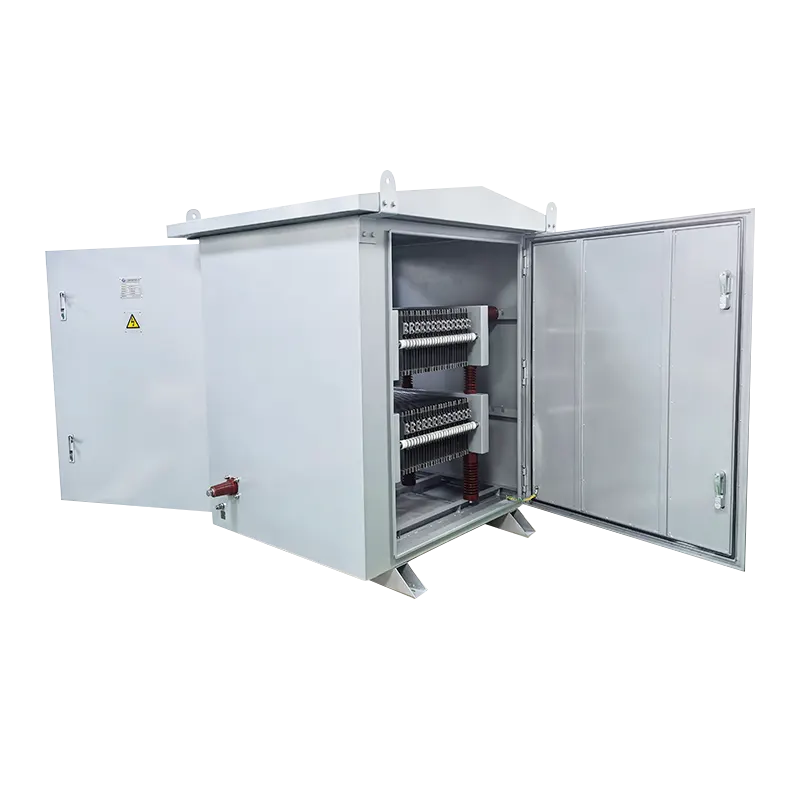
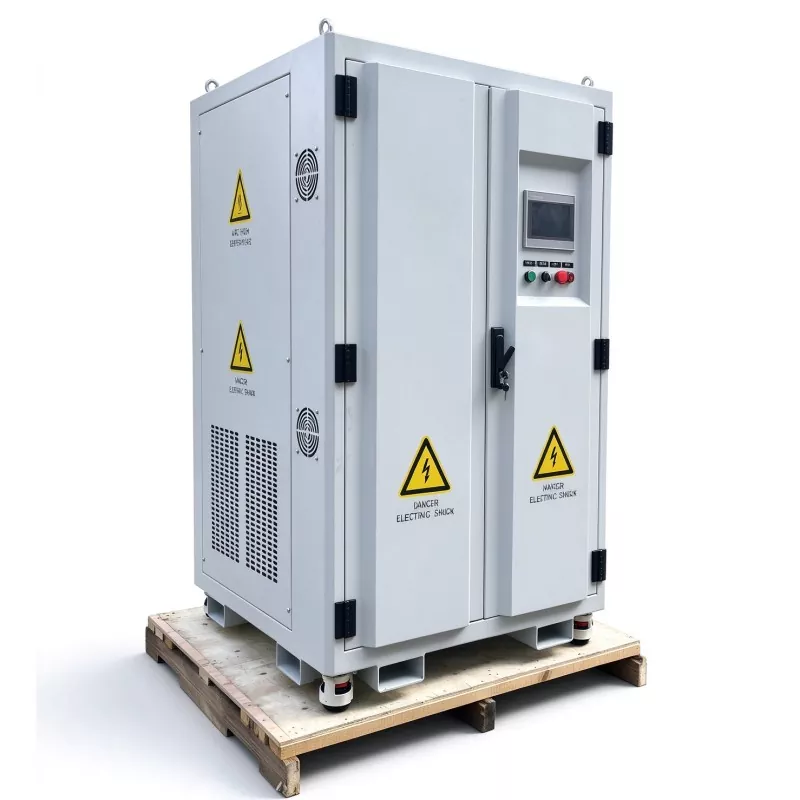
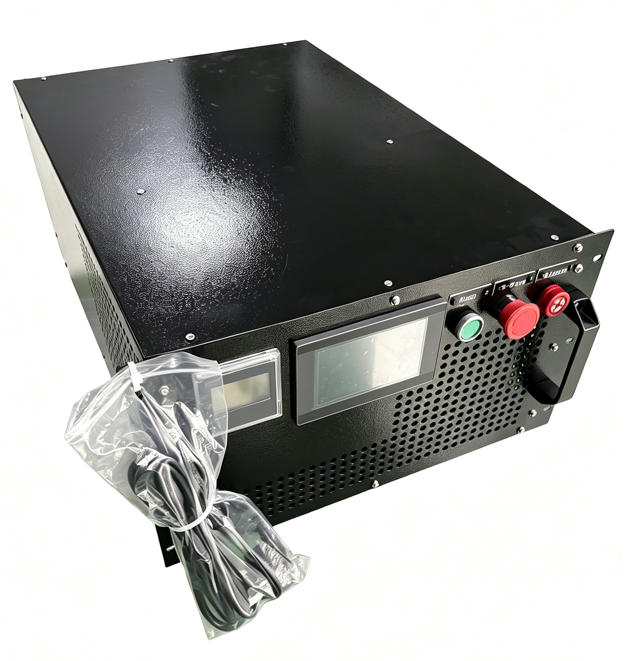
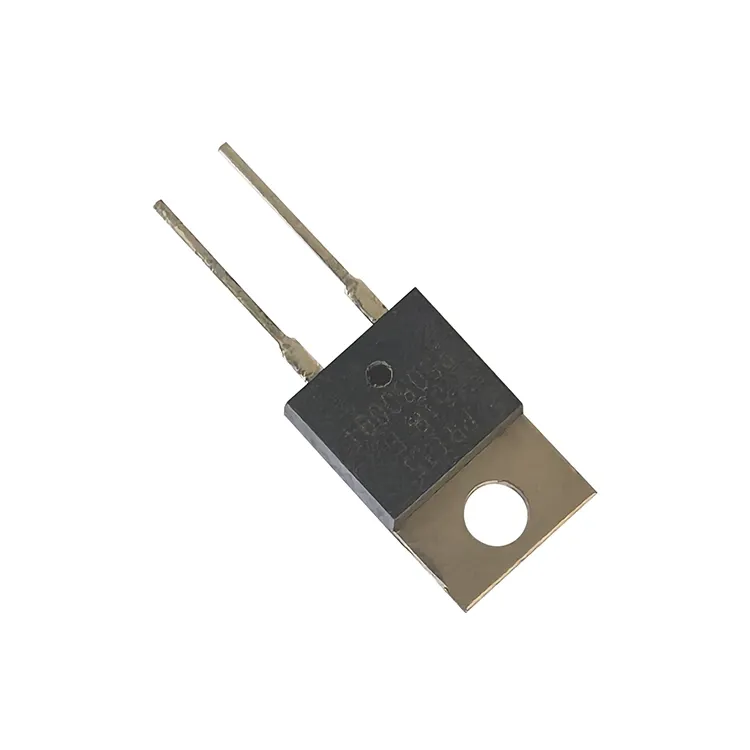
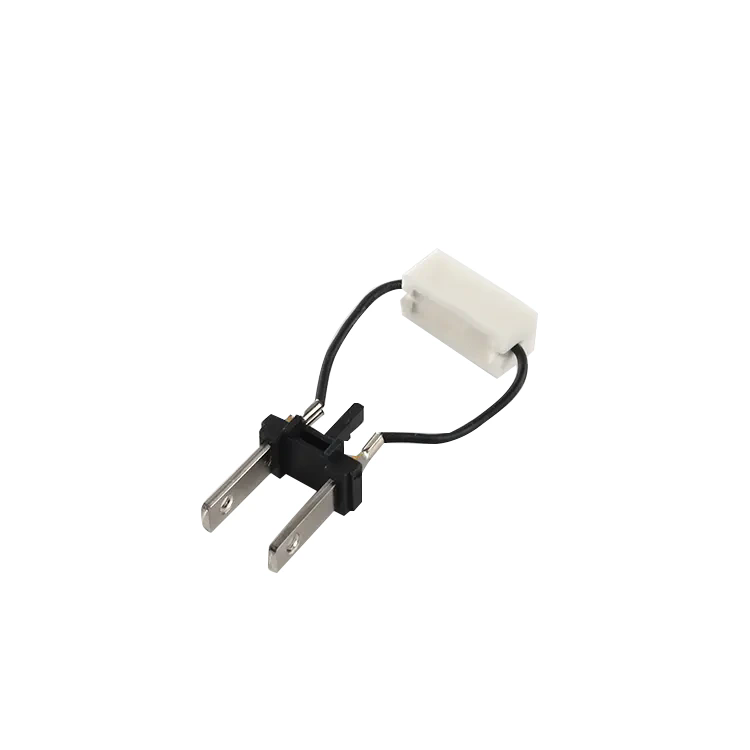
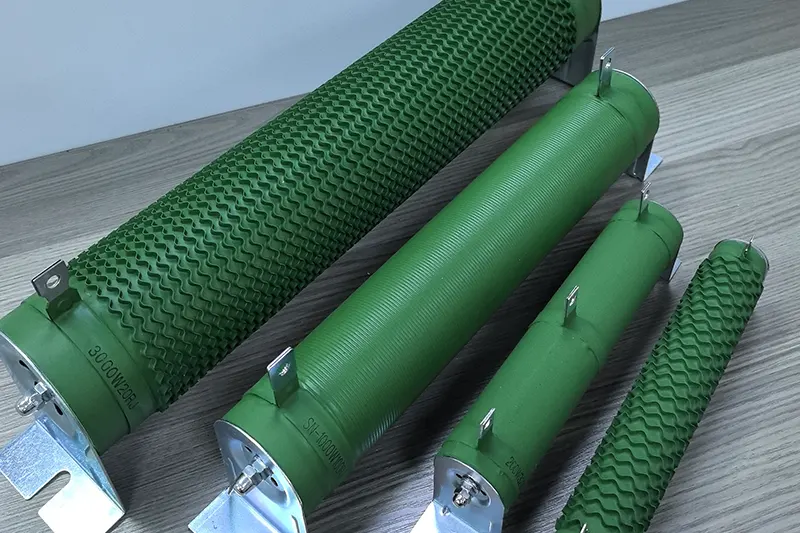
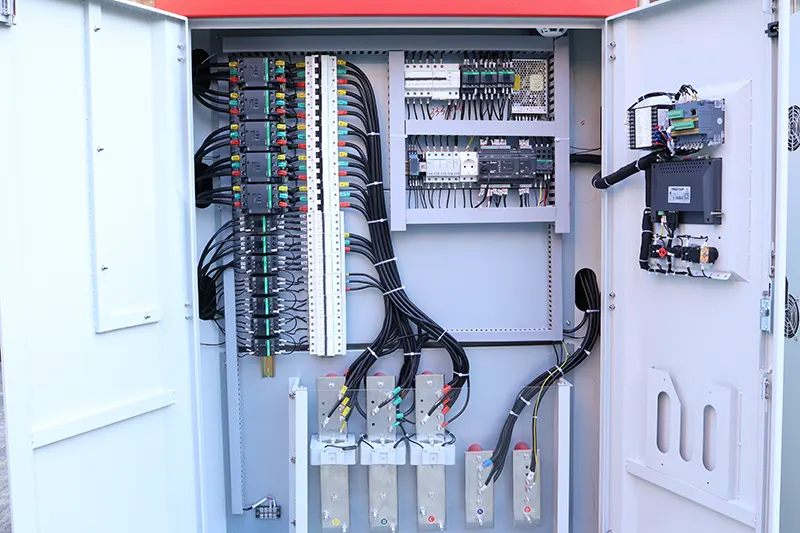
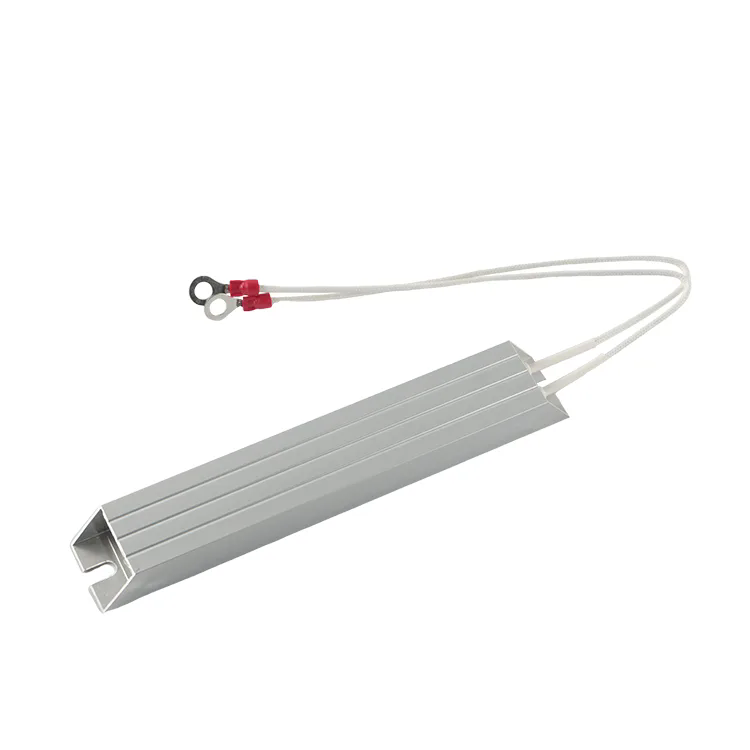
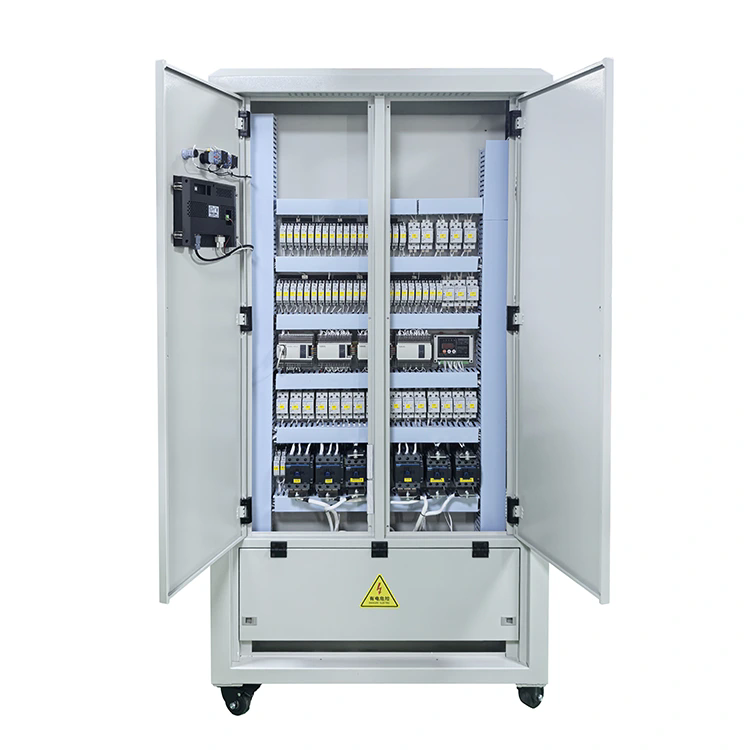
The Braking Resistor For Port And Machinery is a device specifically designed for absorbing energy in harsh marine environments and high-load conditions in ports. It is mainly applied in the variable frequency speed control systems of equipment such as ship power propulsion systems, marine cranes (crane hooks), anchor winches, winches, shore cranes, container cranes (RTG), and gantry cranes. When the motors of these equipment are in regenerative braking state (such as when the hook descends, the ship slows down, or the crane boom tilts), the motors will convert mechanical energy into electrical energy and feed it back to the DC bus, causing the bus voltage to rise. The function of the braking resistor is to promptly convert this regenerative electrical energy into heat energy and dissipate it, thereby protecting the frequency converter from overvoltage damage and achieving smooth and rapid braking control.
In addition, RST Electric also has various types of Braking Resistors. Please come and consult for purchase!
Due to the characteristics of the marine environment, such as high salt spray, high humidity, strong ultraviolet rays, large temperature differences, frequent vibrations, and the possibility of corrosive gases, the Braking Resistor For Port And Machinery has strict requirements in terms of materials and manufacturing processes. The resistance elements usually use corrosion-resistant nickel-chromium alloy or iron-chromium aluminum strip materials, which are processed with corrugations to increase the heat dissipation area; the insulation support components use 95% alumina ceramic or mica, which have extremely high insulation resistance and resistance to moisture absorption; the enclosure is made of stainless steel 316L or steel plates treated with heavy anti-corrosion coatings (such as epoxy zinc-rich primer + acrylic topcoat), with a protection level of IP66 or higher, capable of withstanding rainstorms, wave impacts, and salt spray erosion. The installation methods are mostly wall-mounted or base-mounted, and are equipped with shock-absorbing gaskets. The power range is from several hundred watts to several hundred kilowatts, and the resistance value is selected according to the frequency converter manual.
The technical specifications of the Braking Resistor For Port And Machinery include the rated power (continuous braking power) and peak power (maximum absorption capacity for a short period, usually 2 to 5 times the rated power, lasting for 10 to 60 seconds); heat capacity (joule value), ensuring that the resistance temperature does not exceed the limit (such as 350°C) under frequent braking; the cooling method is mainly natural convection, and an optional forced air cooling can be selected but a salt spray filter screen needs to be considered. Typical application cases include in the RTG diesel engine-electric drive system at the port, where the hoist lifting and lowering are frequent, and the braking resistor absorbs a large amount of energy every day; in the side thruster systems of tugs or roll-on/roll-off ships, the braking resistor helps to quickly stop the propeller.
Firstly, determine the resistance value (R = Udc²/Ppeak) required by the braking unit of the frequency converter and the minimum allowable resistance; secondly, select the power rating based on the braking usage rate (ED% - the percentage of braking time in the entire working cycle); finally, confirm whether the protection level and installation dimensions meet the space limitations of the ship's cabin or the electrical room of the crane.