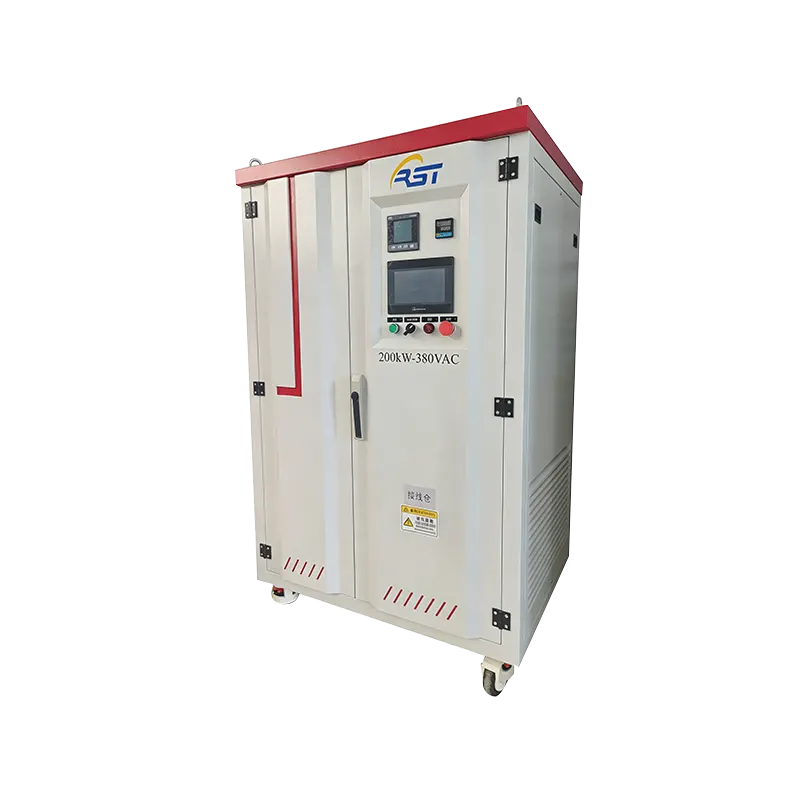
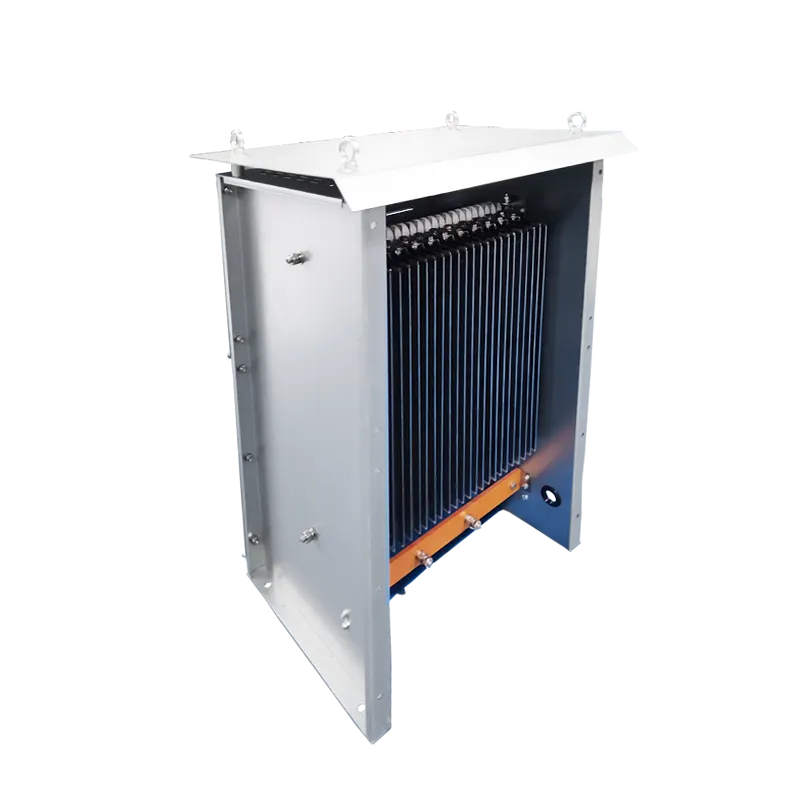
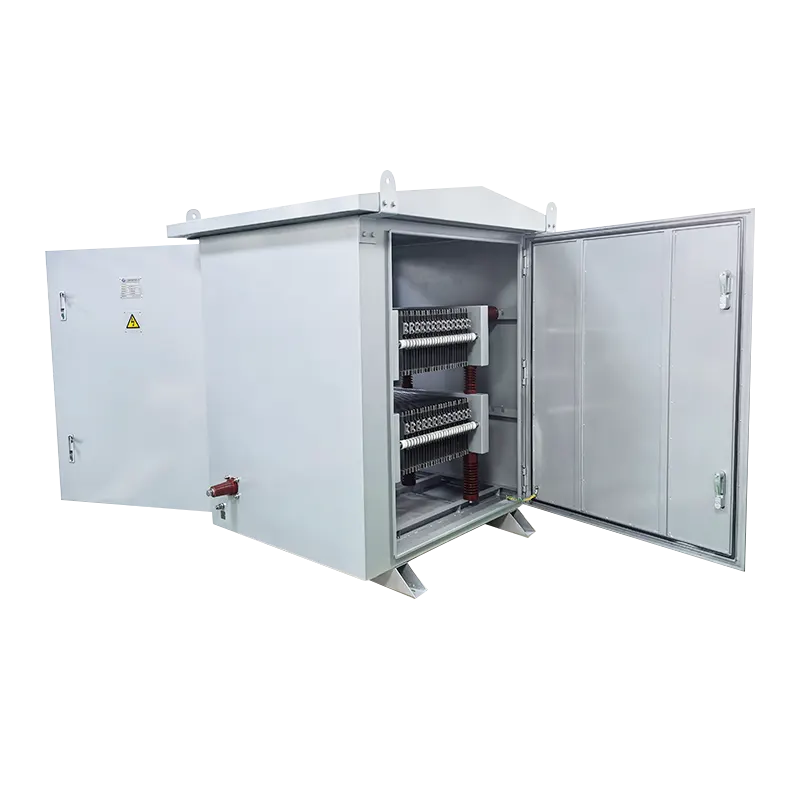
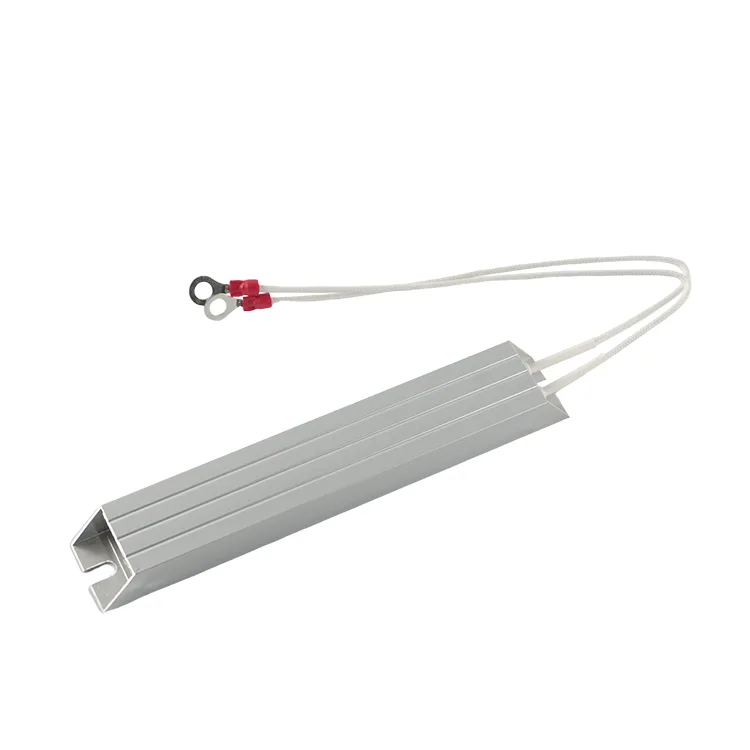
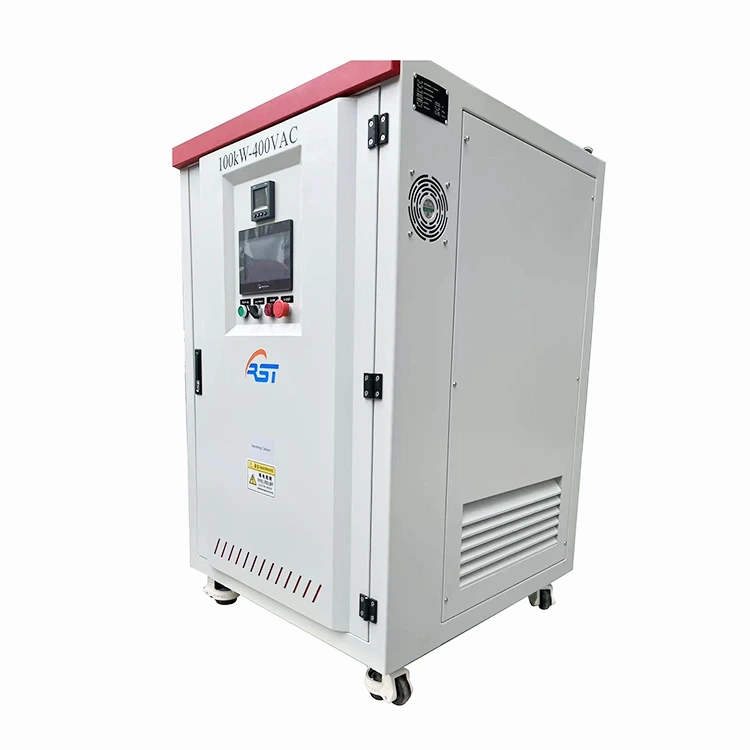
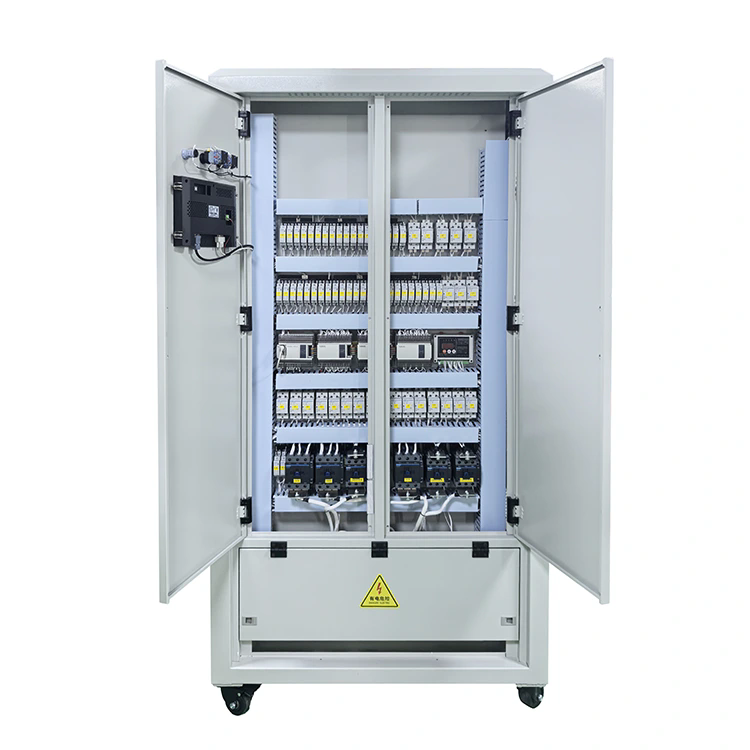
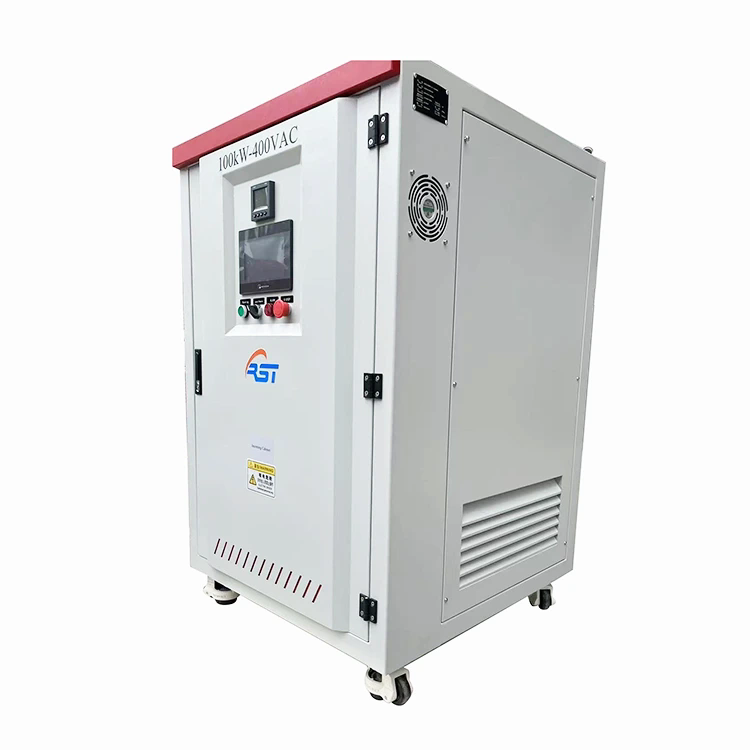
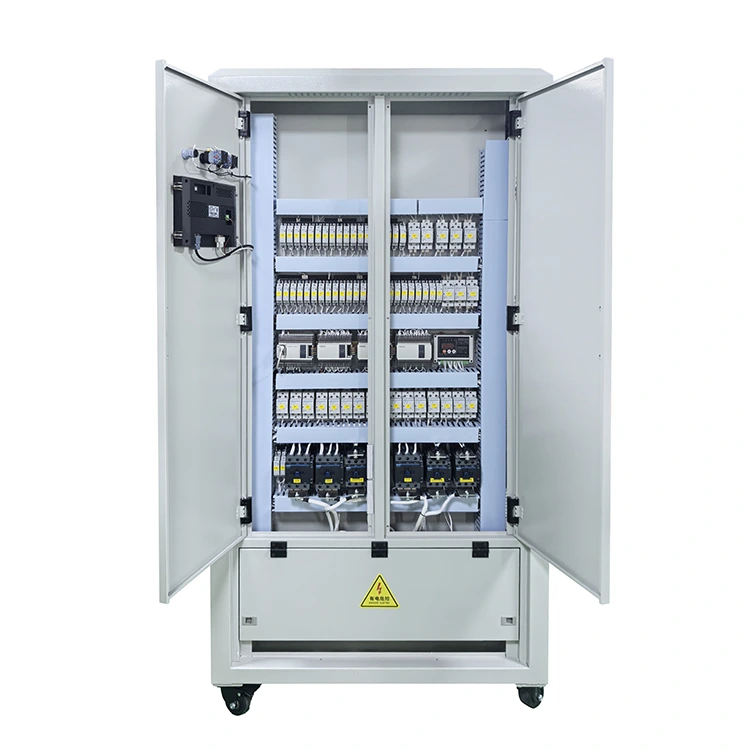
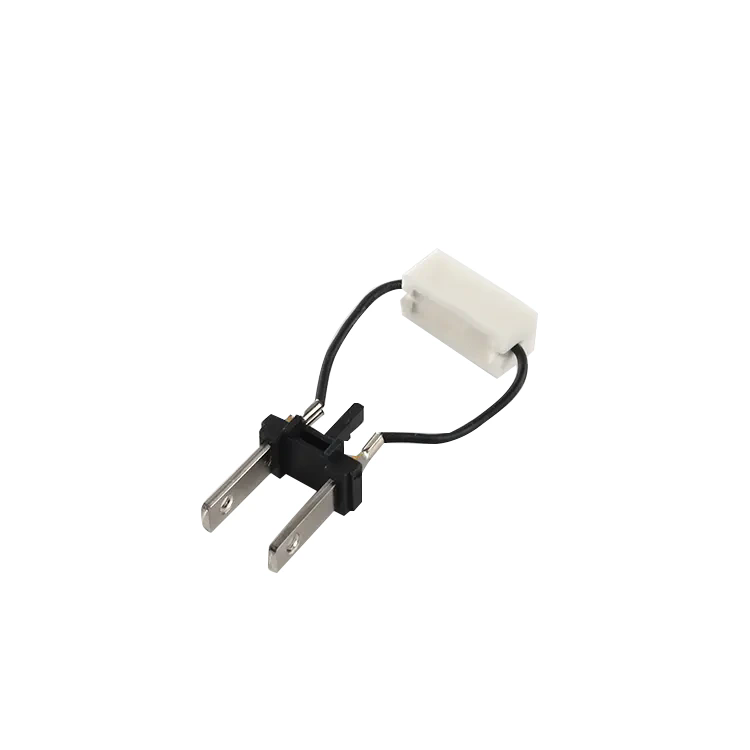
Liquid cooled load banks are advanced testing systems designed to simulate real electrical loads while efficiently dissipating heat through liquid cooling technology. Compared with traditional air-cooled solutions, they provide higher power density, quieter operation, and improved thermal stability. This article explores how a Liquid Cooled Load Bank works, its advantages, applications, and how it addresses common customer challenges such as overheating, space limitations, and energy efficiency.
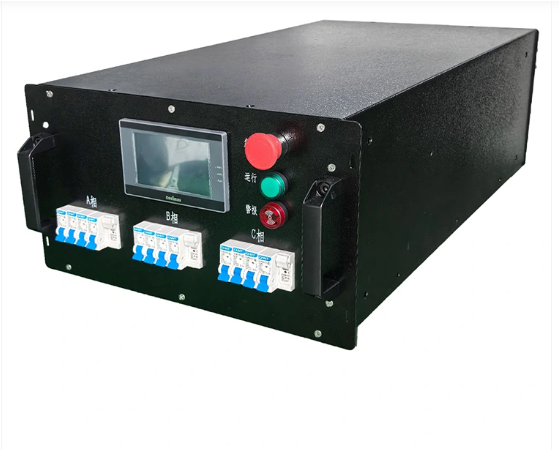
A Liquid Cooled Load Bank is a high-performance electrical testing device used to verify the reliability and capacity of power systems such as generators, UPS systems, and data center infrastructure. Instead of dissipating heat through air, it uses a liquid medium—typically water or a coolant mixture—to absorb and transfer heat away from resistive elements.
This design allows for significantly higher load capacities in compact environments, making it ideal for industries where space, noise, and thermal control are critical constraints.
The working principle of a Liquid Cooled Load Bank revolves around converting electrical energy into heat and safely removing that heat through a liquid circulation system.
This closed-loop thermal management system ensures continuous operation even under extreme load conditions.
Customers often face several operational challenges when testing high-power systems. Liquid cooled load banks effectively address these pain points.
| Customer Challenge | Solution Provided |
|---|---|
| Overheating during testing | Efficient heat dissipation via liquid cooling |
| Limited installation space | Compact and high-density design |
| Noise concerns | Reduced reliance on large cooling fans |
| Energy inefficiency | Better thermal management minimizes losses |
| Maintenance complexity | Stable system with longer component lifespan |
By integrating advanced cooling technologies, companies like RST provide systems that significantly improve operational reliability and reduce long-term costs.
| Feature | Air-Cooled Load Bank | Liquid Cooled Load Bank |
|---|---|---|
| Cooling Efficiency | Moderate | High |
| Noise Level | High | Low |
| Size | Large | Compact |
| Power Density | Lower | Higher |
| Environmental Impact | Higher heat emission | Controlled heat transfer |
This comparison clearly shows why liquid cooling is becoming the preferred solution in modern power testing environments.
Liquid cooled load banks are widely used across multiple industries where reliable power validation is critical.
These systems ensure that backup power solutions perform reliably under real-world conditions before deployment.
Selecting the appropriate Liquid Cooled Load Bank requires careful evaluation of operational needs and technical specifications.
RST offers customizable solutions designed to meet diverse industry requirements, ensuring optimal performance and seamless integration.
Q1: Is liquid cooling more expensive than air cooling?
Initial investment may be higher, but operational savings and improved efficiency often result in lower total cost of ownership.
Q2: What type of liquid is used?
Typically water or specialized coolant mixtures designed for thermal stability and corrosion resistance.
Q3: Is maintenance complicated?
No. With proper design, maintenance is straightforward and less frequent compared to air-cooled systems.
Q4: Can it be used in small spaces?
Yes. Its compact design makes it ideal for installations with limited space.
Q5: Is it suitable for continuous operation?
Absolutely. Liquid cooled systems are designed for high-duty cycles and continuous performance.
A Liquid Cooled Load Bank is a powerful solution for modern power testing challenges. Its superior cooling efficiency, compact design, and enhanced reliability make it a preferred choice for industries demanding high-performance validation systems.
If you are looking for a dependable and efficient testing solution, RST provides advanced liquid cooled load bank systems tailored to your specific requirements. Contact us today to explore how we can support your project and optimize your power testing operations.