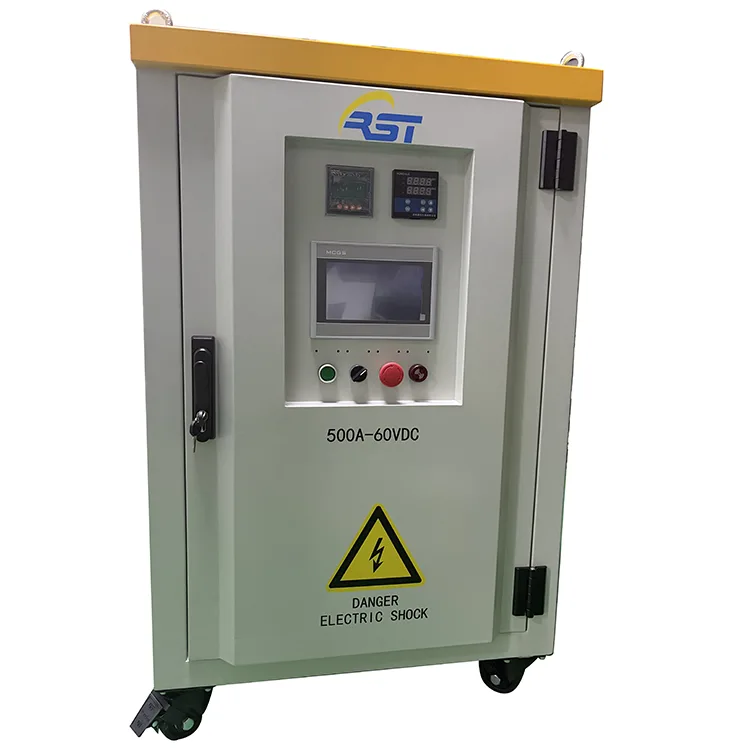
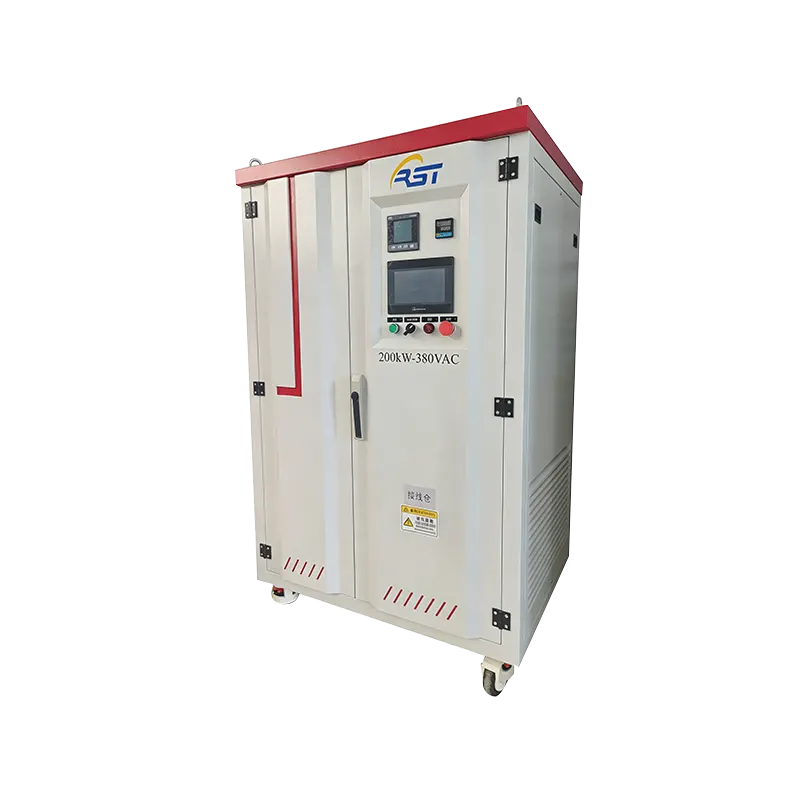
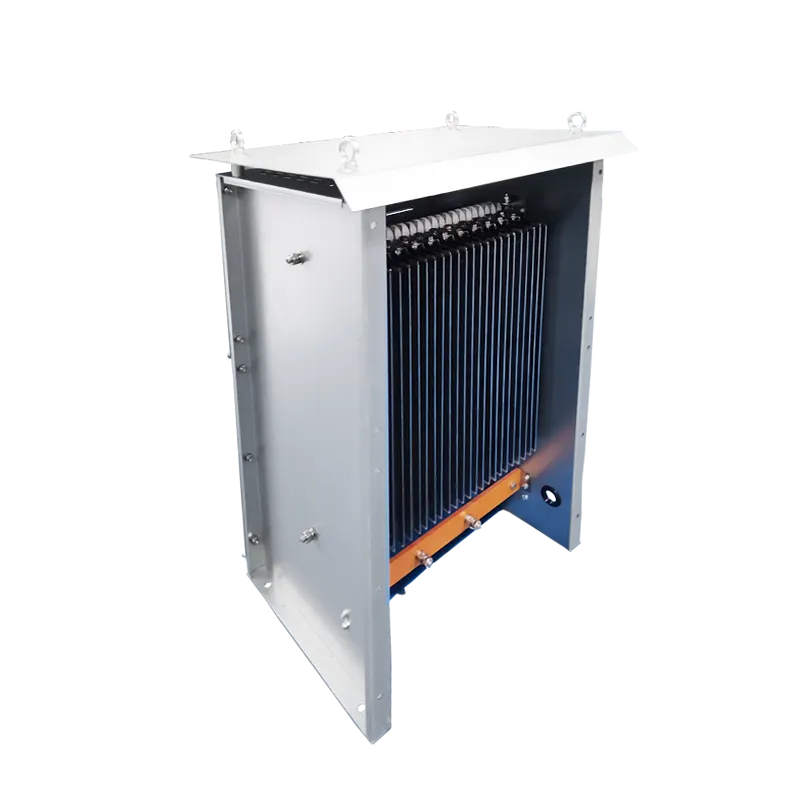
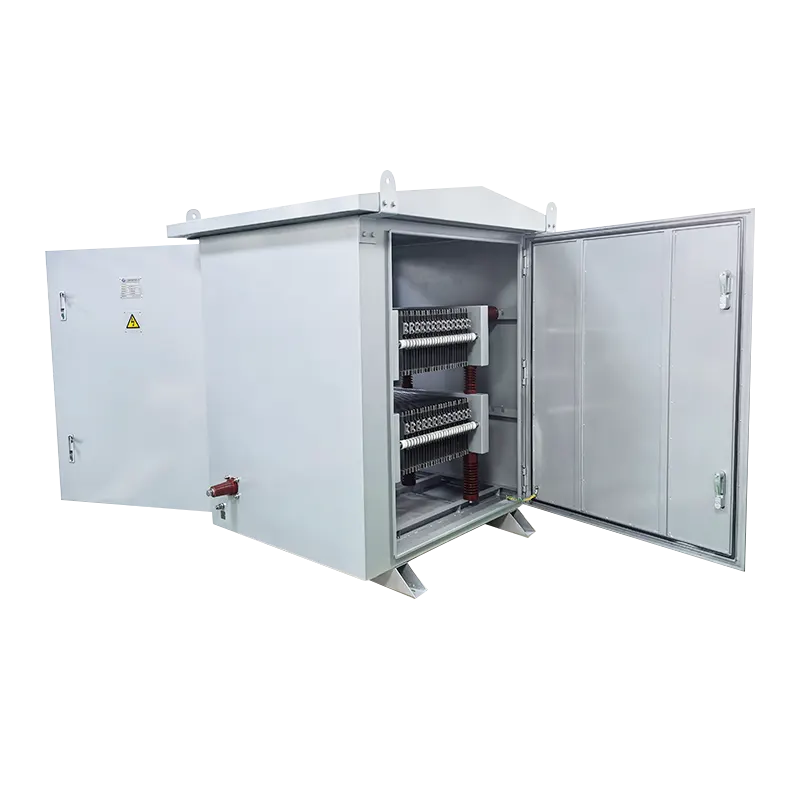
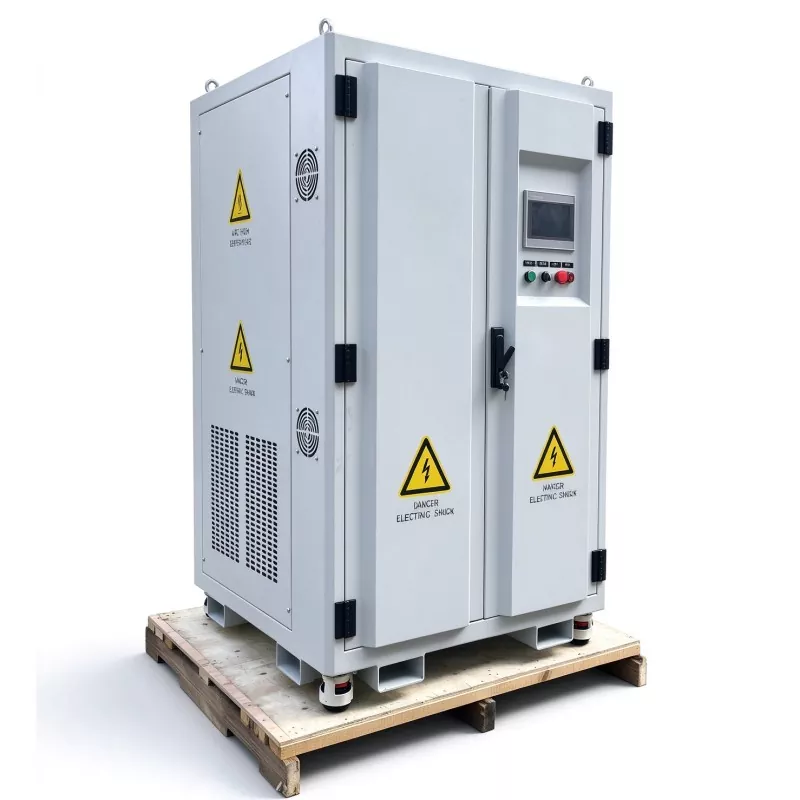
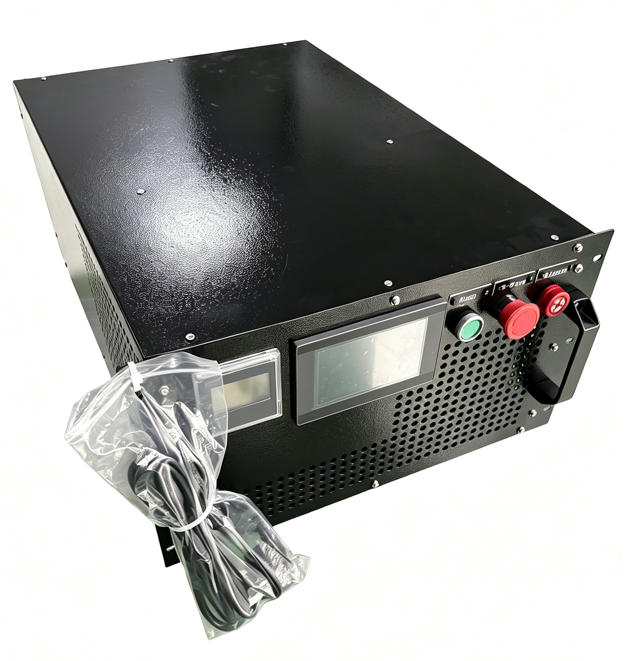
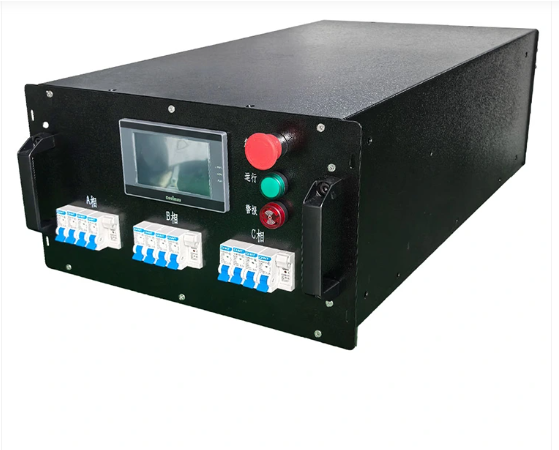
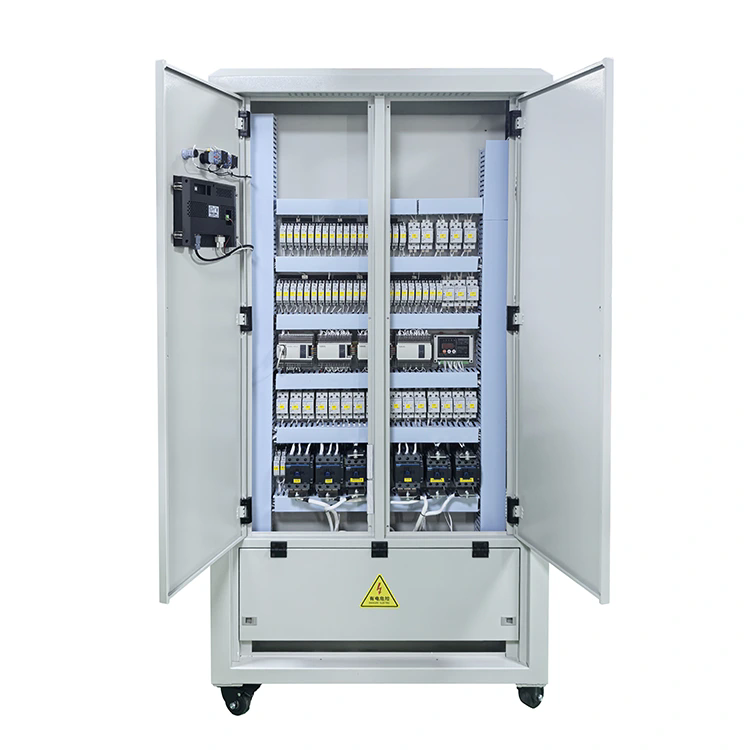
The DC Load Bank is a load simulation device specifically designed for testing the output characteristics of DC power supply equipment. It is applicable for discharge tests, capacity verification, aging screening and performance evaluation of products such as battery packs, DC charging stations, DC generators, rectifiers, DC-DC converters, solar photovoltaic arrays, and fuel cells. It can operate in four modes: constant current (CC), constant voltage (CV), constant resistance (CR), and constant power (CP), and can quickly switch between dynamic loads to simulate current fluctuations in actual working conditions.
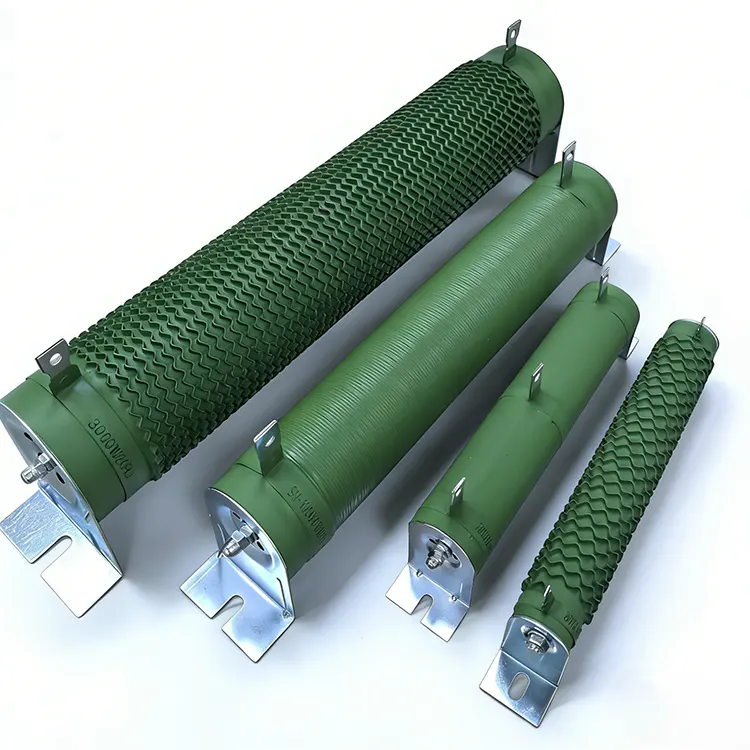
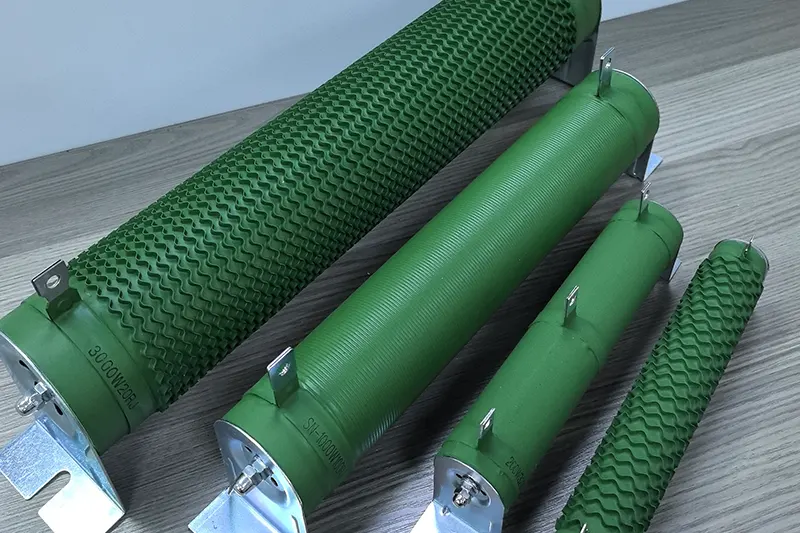
The power switching devices used are MOSFET or IGBT, combined with high-precision shunts or Hall current sensors. Through a PID control loop, rapid and stable load regulation is achieved. The resistive elements are usually low-inductance, high-stability precision alloy resistors, connected in parallel to form modules. The equipment features a wide discharge voltage range (such as 0 to 1500V), large current (up to several thousand amperes per unit), and high regulation resolution (1mA or 0.1% F.S.).
The conventional DC Load Bank converts electrical energy into heat energy and forces it to be expelled by fans. It is suitable for medium and low power (<100kW) applications. For high power (above several hundred kilowatts) or long-duration discharges, a feedback-type DC electronic load is recommended. It can convert DC electricity into AC electricity and feed it back to the grid, achieving significant energy savings but with higher costs. The control interface uses an industrial-grade touch screen. Multiple discharge curves (such as step discharge, pulse discharge, ramp discharge, and the working conditions of the GB/T 27930 charging protocol for electric vehicles) can be programmed. It also records data such as voltage, current, capacity (Ah), energy (Wh), and temperature. It supports USB export or upper-level machine monitoring.
Capacity testing of lithium batteries and lead-acid batteries (discharging at 0.2C or 1C until the cut-off voltage is reached), constant current and constant voltage output characteristic testing of charging stations, variable load during IV curve scanning of photovoltaic modules, polarization curve testing of hydrogen fuel cell stacks, trip tests of DC contactors and circuit breakers. When selecting, pay attention to the following: whether the maximum discharge power meets the rated power of the tested power supply (it is recommended to leave a 20% margin); whether the voltage and current range covers the limit values of the tested equipment (for example, a 72V battery pack requires a range of 100V or above); the accuracy of constant current (±0.1% is preferred); whether it has battery reverse connection protection, overvoltage, overcurrent and overtemperature protection; communication interface (RS232, RS485, LAN, CAN). Additionally, for battery pack testing, it is recommended to choose products with CAN communication and DBC file parsing functions, which can directly read BMS data and perform synchronous recording. DC Load Bank is a basic equipment in the R&D, production and quality inspection processes of the new energy industry.
Welcome to RST Electric to purchase Load Bank!