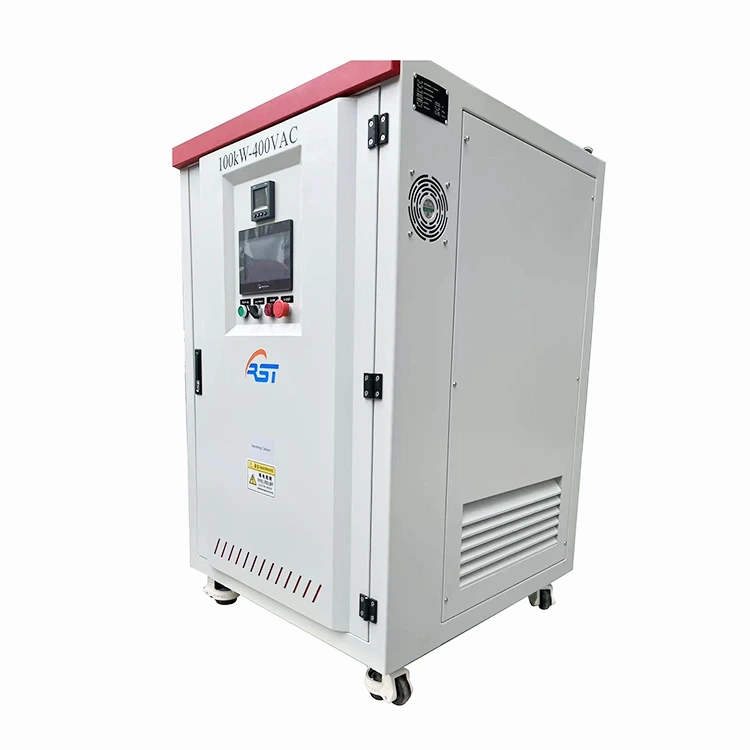
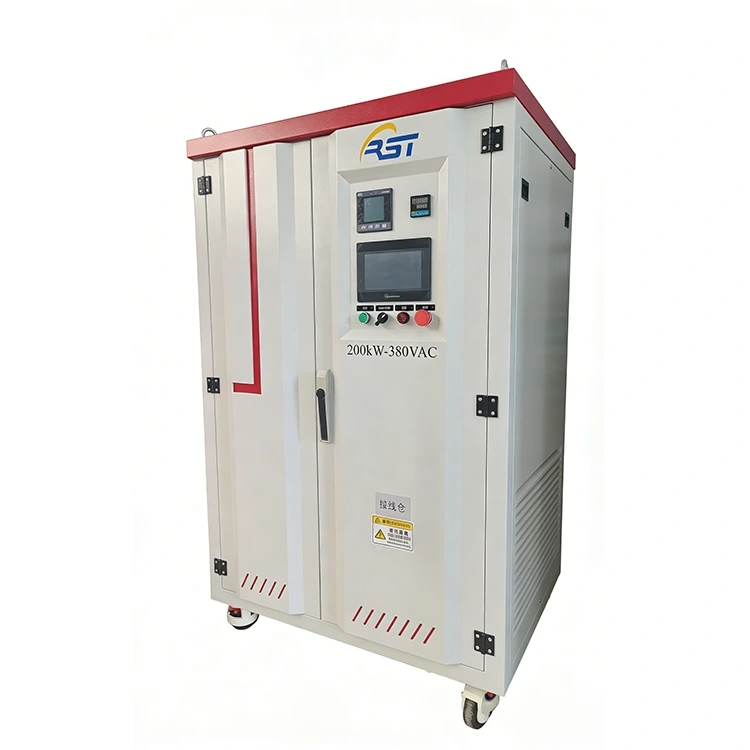
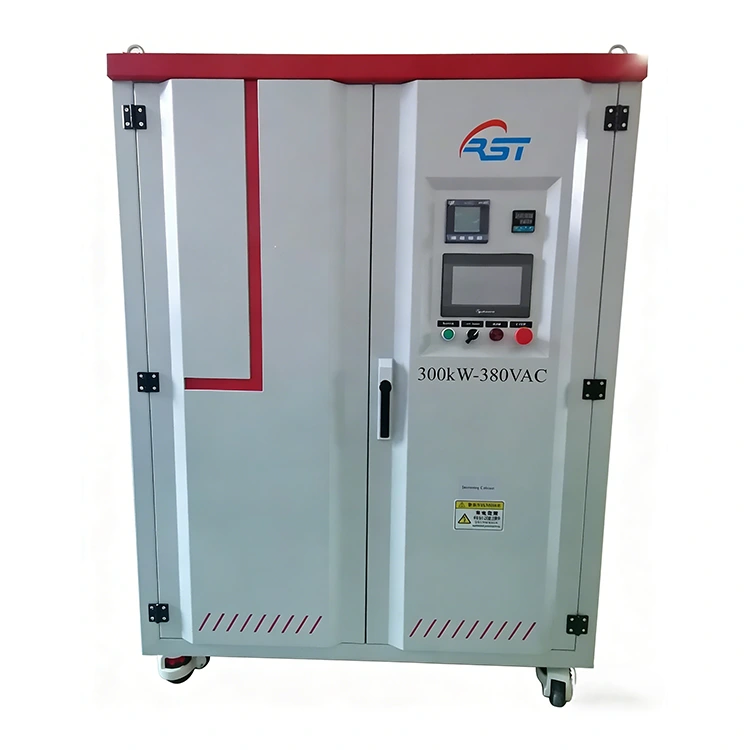
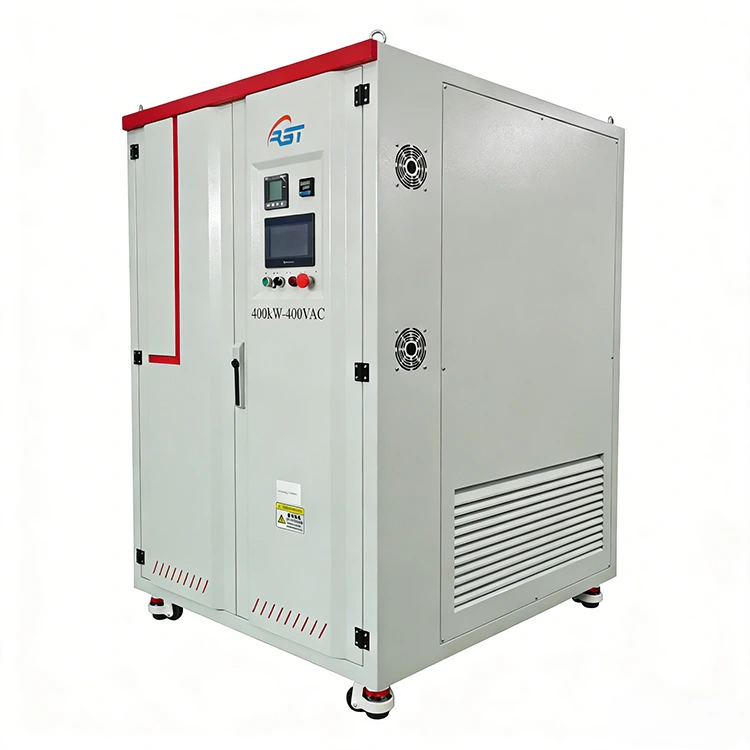
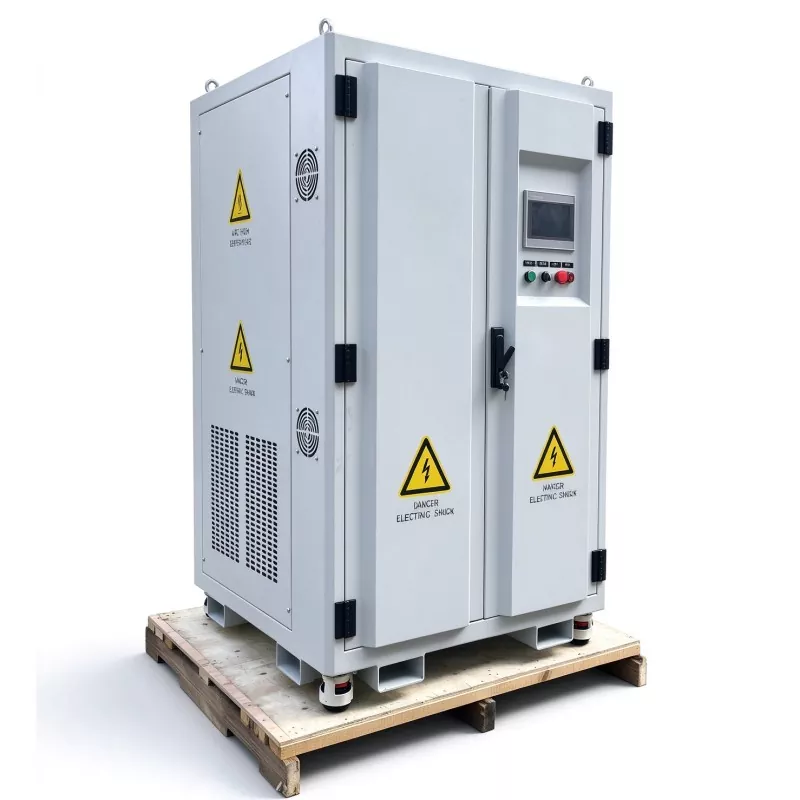
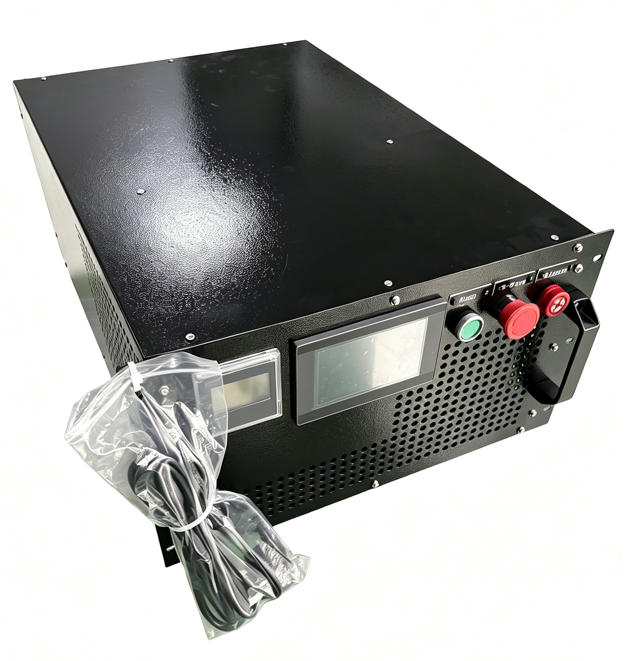
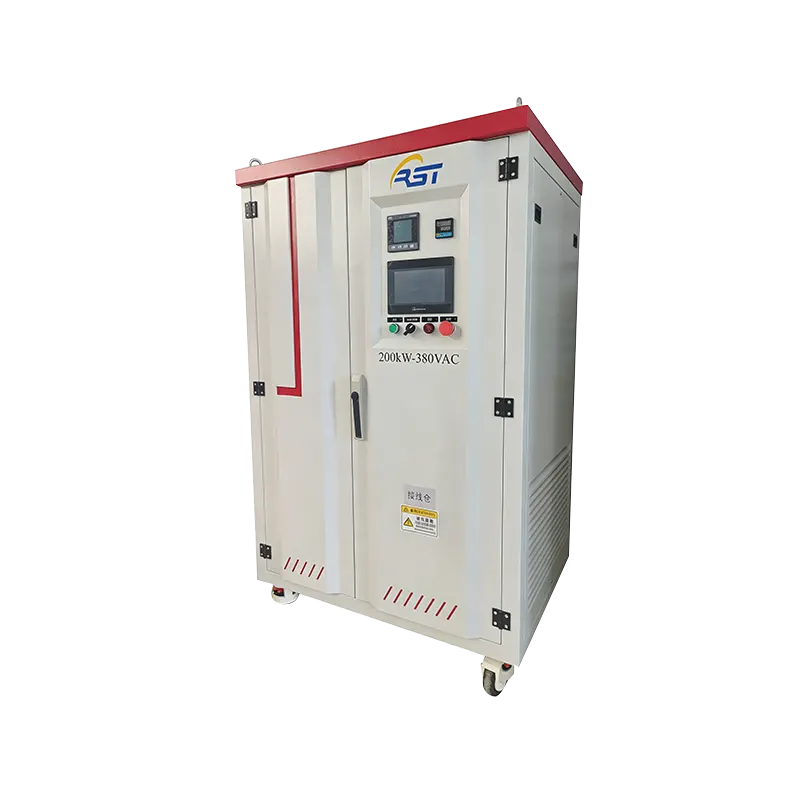
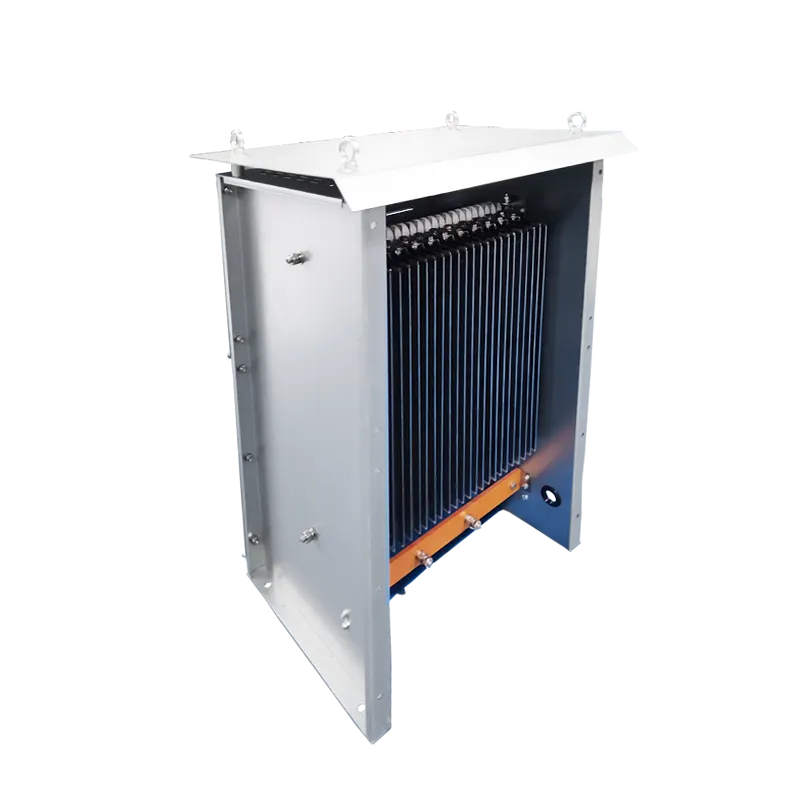
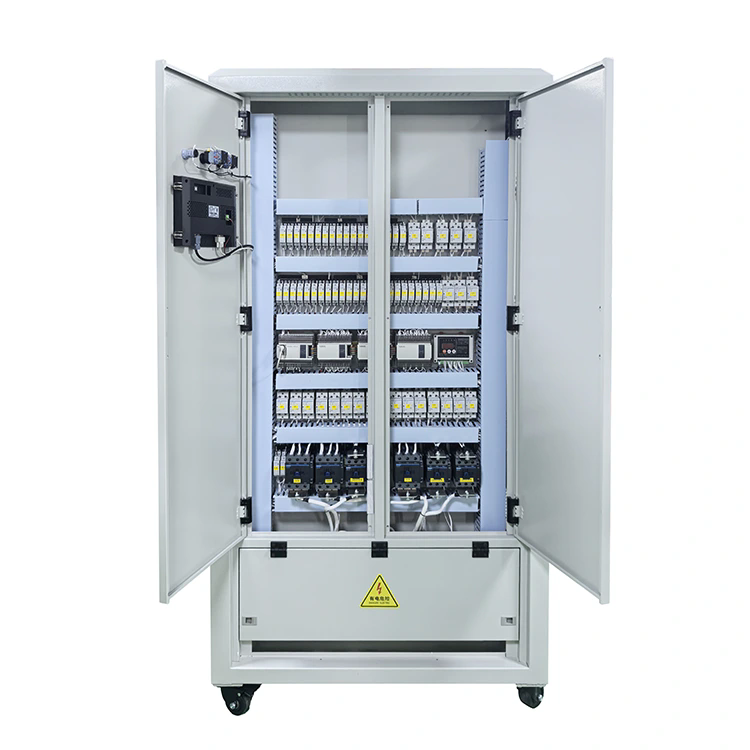
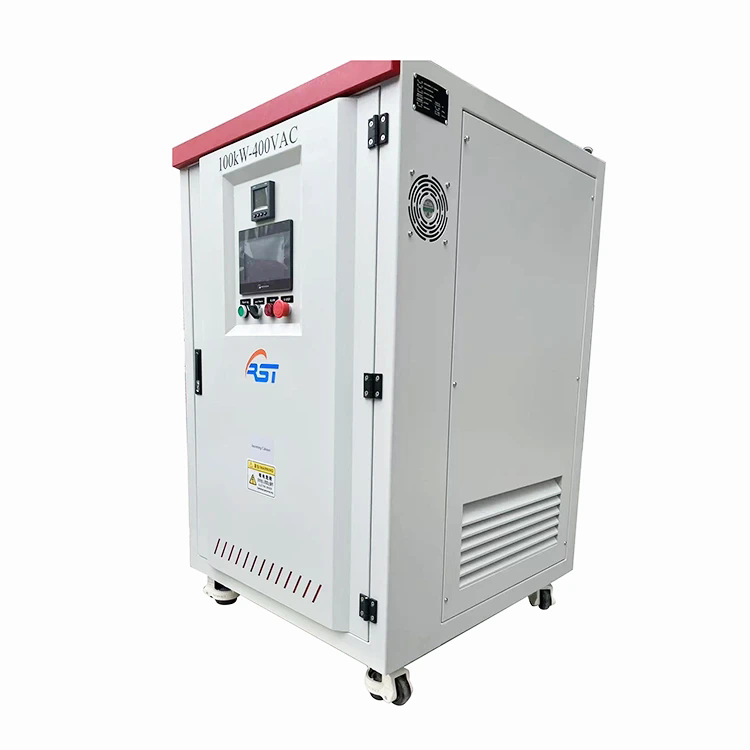
A load bank is a critical testing device used to simulate real-world electrical loads on power sources such as generators, UPS systems, inverters, and battery banks. By applying controlled, adjustable loads, engineers can verify performance, ensure reliability, and validate compliance with industry standards. Whether for commissioning new equipment, conducting routine maintenance, or performing factory acceptance tests, a high-quality one provides the confidence that critical power systems will perform when called upon.
At RST Electric, we specialize in designing and manufacturing a comprehensive range of load banks tailored to diverse applications—from portable units for field service to large-scale containerized systems for utility power plants. With over 10 years of engineering expertise, we deliver solutions that combine precision, durability, and operational flexibility.
· Load Type: Determine whether you need resistive (R), inductive (L), capacitive (C), or combined RCD testing. Resistive loads simulate pure active power, while RCD configurations allow precise power factor control (e.g., 0.65–1.0) for testing inverters and UPS systems.
· Power Rating: Match the load bank’s capacity to your power source’s rating. Our units range from 1kW portable testers to multi-megawatt containerized systems.
· Cooling Method: Choose between air-cooled (cost-effective for intermittent use) or liquid-cooled (ultra-quiet, high-density, ideal for data centers and laboratories).
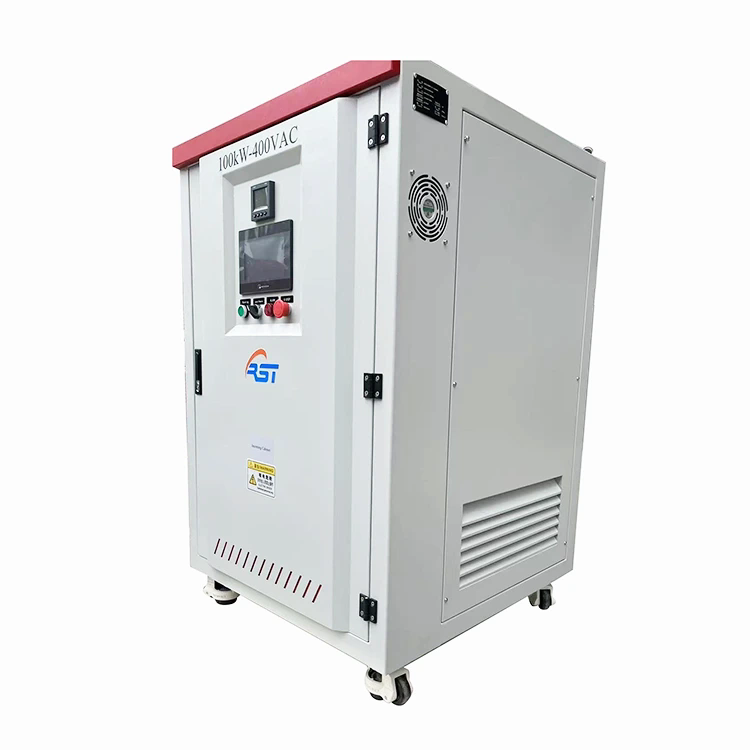
· Control & Monitoring: Look for systems offering local touchscreen interfaces, remote PC software, and communication protocols (RS485, Modbus, Ethernet) for automated test sequences and data logging.
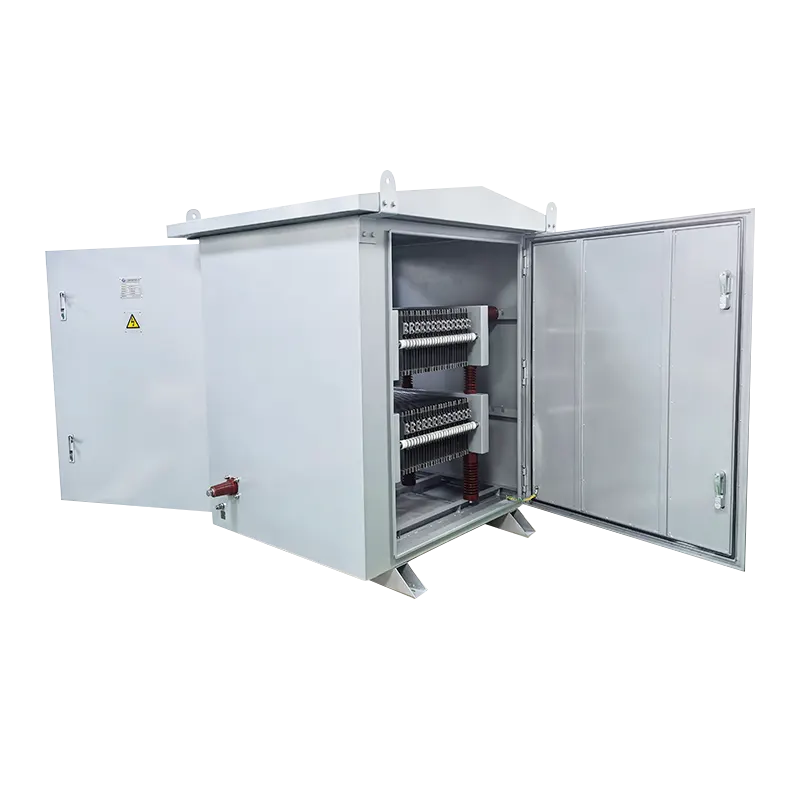
· Portability & Enclosure: Consider IP ratings and mobility features such as casters, lifting lugs, or containerized designs for outdoor or harsh environments.
We offer AC/DC load banks from 1kW to over 10MW, supporting voltages from 110V to 13.8kV. Whether you need a compact 36kW liquid-cooled unit for data center UPS testing or a 6MW containerized RCD one for generator commissioning, our portfolio covers the spectrum.
With step resolutions as fine as 0.1kW/0.1kVA and loading accuracy of ±1% to ±3%, our load banks enable precise simulation of real-world electrical profiles. Three-phase independent adjustment allows unbalanced load testing—essential for evaluating modern power electronics.
· Air-Cooled Models: Forced air cooling with variable-speed fans ensures stable operation while minimizing noise (as low as 65dB).
· Liquid-Cooled Models: Leveraging water’s superior thermal conductivity (25× that of air), these units achieve exceptional power density in compact, rack-mountable enclosures—ideal for noise-sensitive environments.
Our load banks feature intuitive local HMI touchscreens with real-time parameter display, trend curves, and data export. For automated testing, remote PC software and industrial communication protocols (RS485/Modbus, Ethernet) enable seamless integration into existing test platforms.
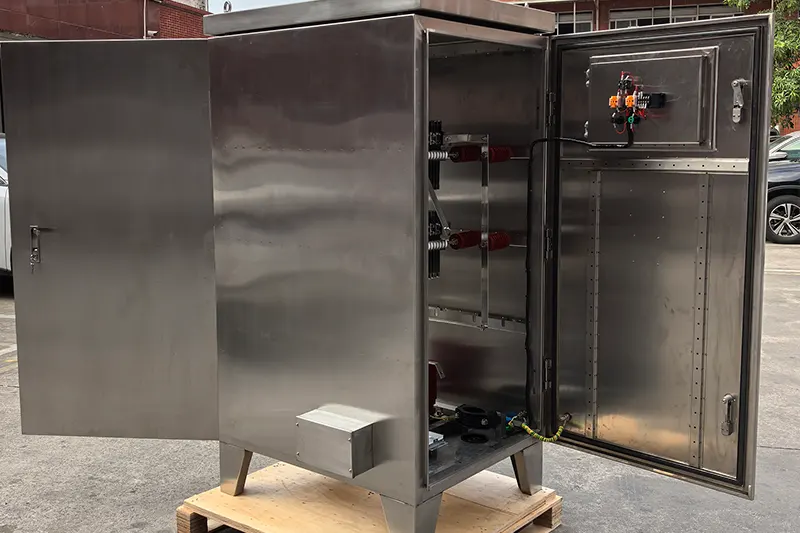
Constructed with industrial-grade components, corrosion-resistant enclosures, and comprehensive safety protections (overload, over-temperature, emergency stop), our load banks are designed for continuous operation in demanding environments.
· Data Centers: Validate UPS systems, standby generators, and power distribution units (PDUs) under full load to ensure business continuity.
· Power Generation: Commission and maintain diesel, gas, and steam turbines with resistive and reactive load testing.
· Renewable Energy: Test solar inverters, wind turbine converters, and energy storage systems (BESS) for grid code compliance.
· Industrial Manufacturing: Perform end-of-line testing for variable frequency drives (VFDs), motor controllers, and power supplies.
· Marine & Offshore: Load test shipboard generators and platform power systems with salt-spray-resistant enclosures.
· Research & Development: Simulate complex load profiles for inverter and power converter development.
Q: What is the difference between a resistive load bank and an RCD one?
A: A resistive one simulates pure active power (PF=1), ideal for generator and UPS testing. An RCD one adds inductive and capacitive elements, allowing precise power factor adjustment (e.g., 0.65–1.0) to simulate motor loads, inverters, and grid-tied equipment.
Q: Can a load bank be used for testing both single-phase and three-phase systems?
A: Yes. We support multiple wiring configurations, including 1P2W, 3P3W, and 3P4W, making them versatile for various power sources.
Q: How do I determine the required load bank capacity?
A: It should match or exceed the power source’s rated output. For generator testing, we recommend at least 100% of the generator’s kW rating for resistive testing, and additional kVA capacity for RCD testing.
Q: What communication protocols are available for remote control?
A: We support RS485/Modbus-RTU as standard, with optional Ethernet/IP, CANbus, and custom protocols for integration with PLCs and SCADA systems.
To learn more about our specific load bank offerings, please explore the following product categories:
· AC Resistive Load Banks – Ideal for generator and UPS commissioning with pure resistive loads.
· RCD (Resistive-Capacitive-Inductive) Load Banks – For advanced power factor simulation and inverter testing.
· DC Load Banks – Designed for battery testing, EV charger validation, and solar inverter characterization.
· Liquid Cooled Load Banks – Ultra-quiet, rack-mountable units for data centers and laboratories.
· Containerized Load Banks – High-power, turnkey solutions for outdoor and utility applications.