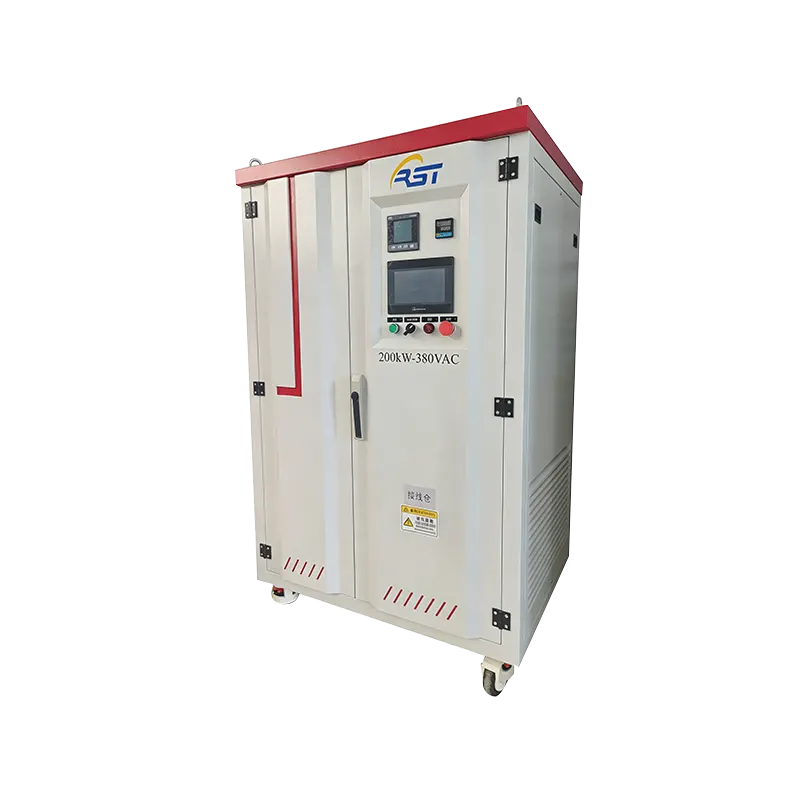
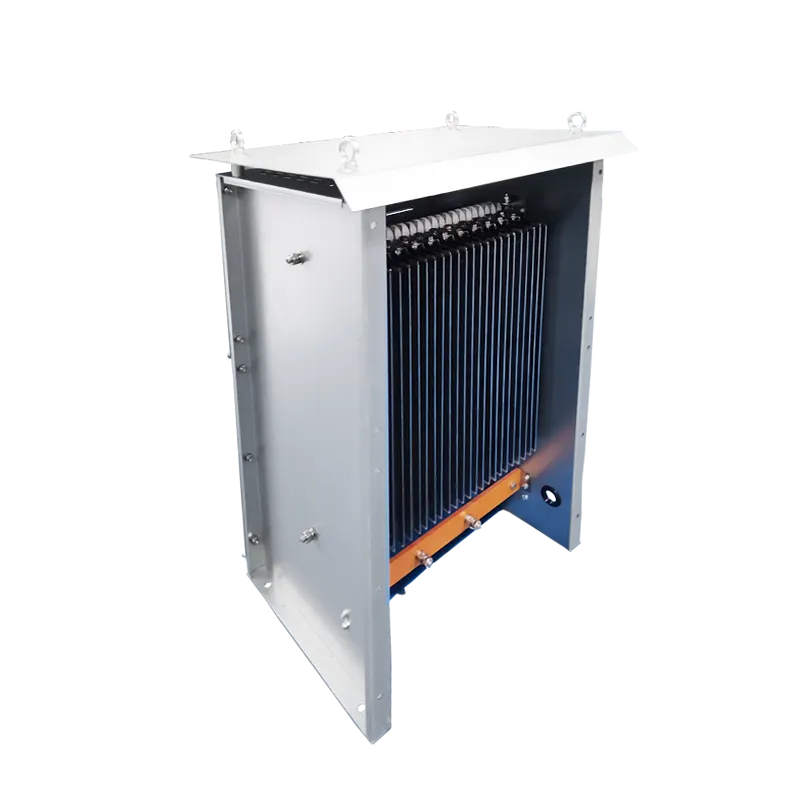
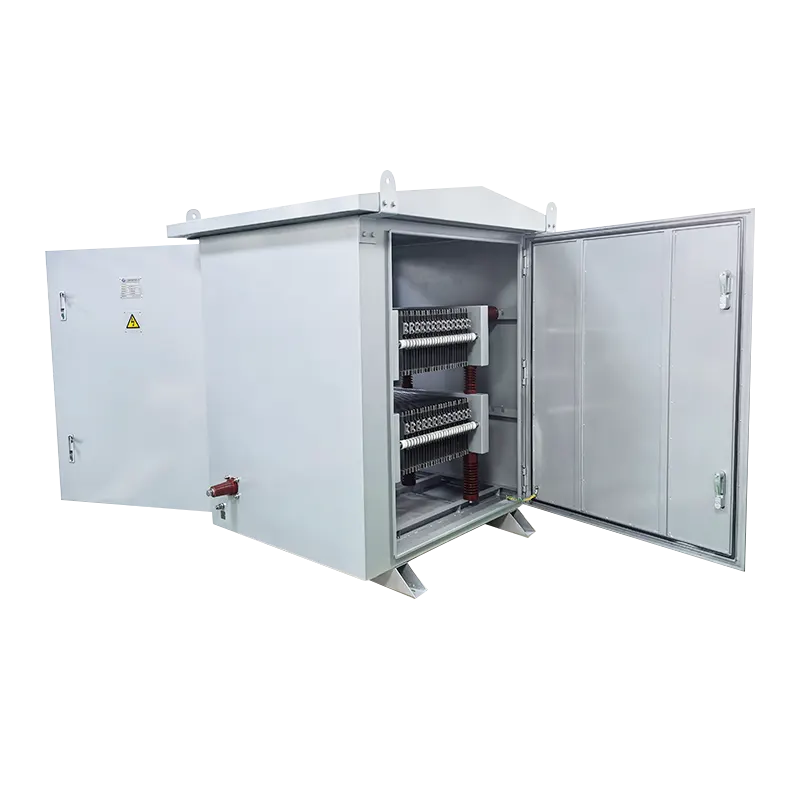
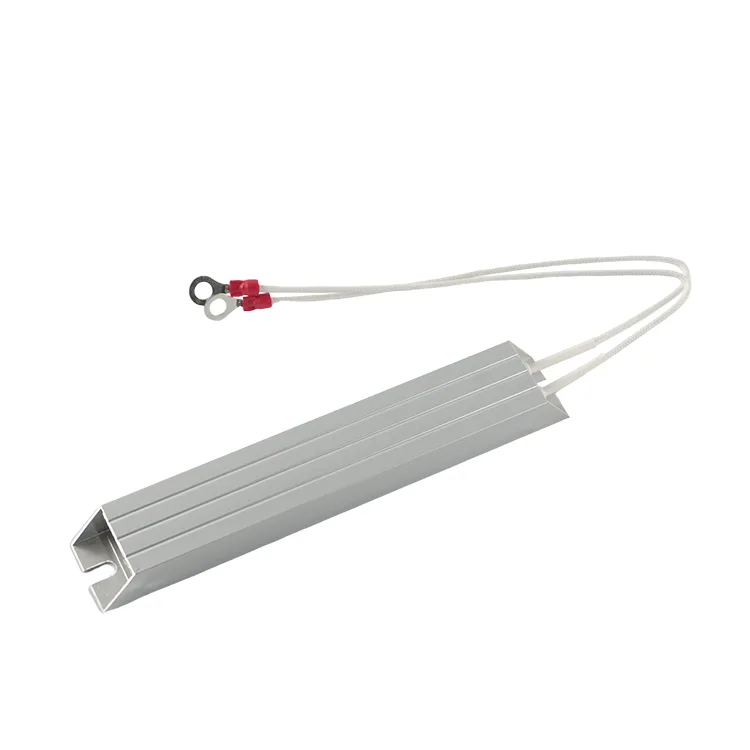
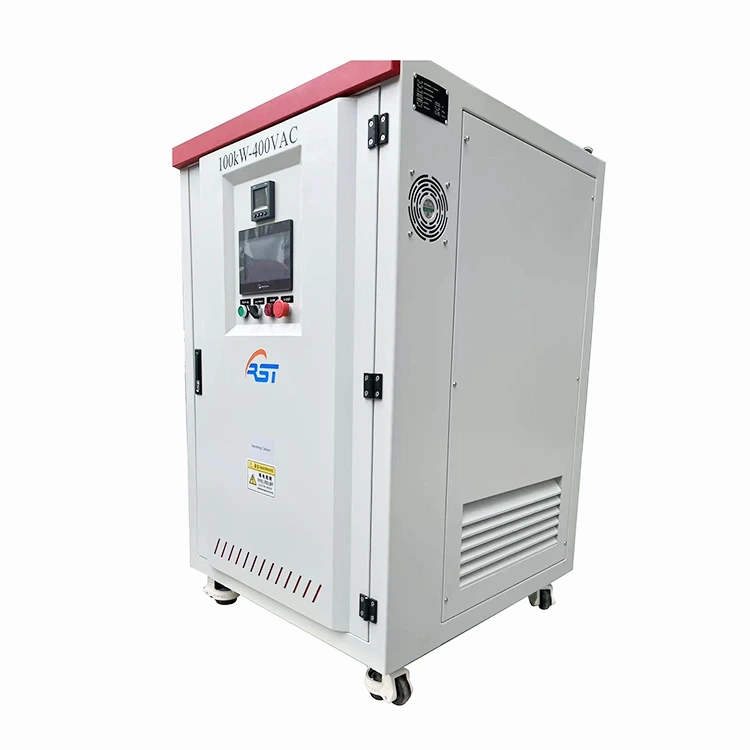
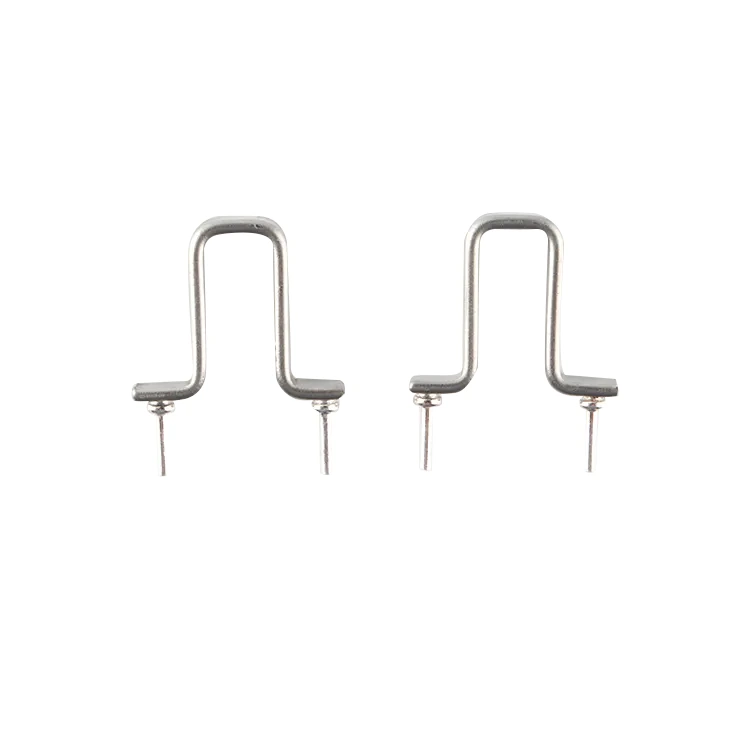
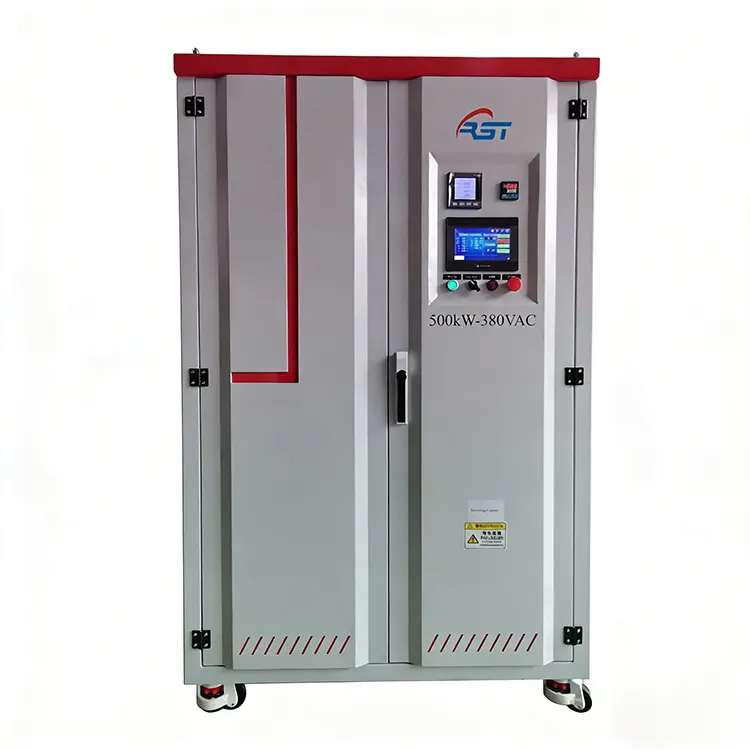
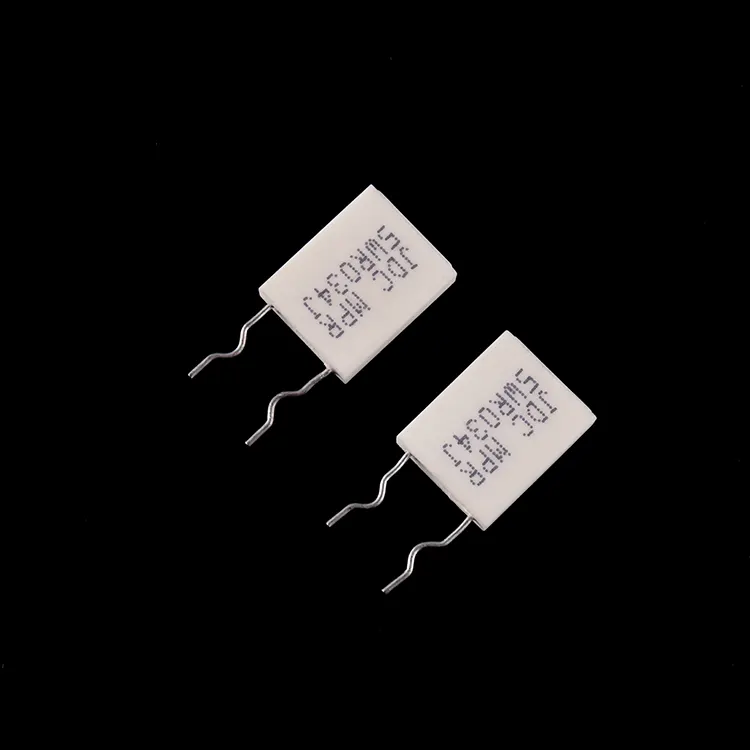
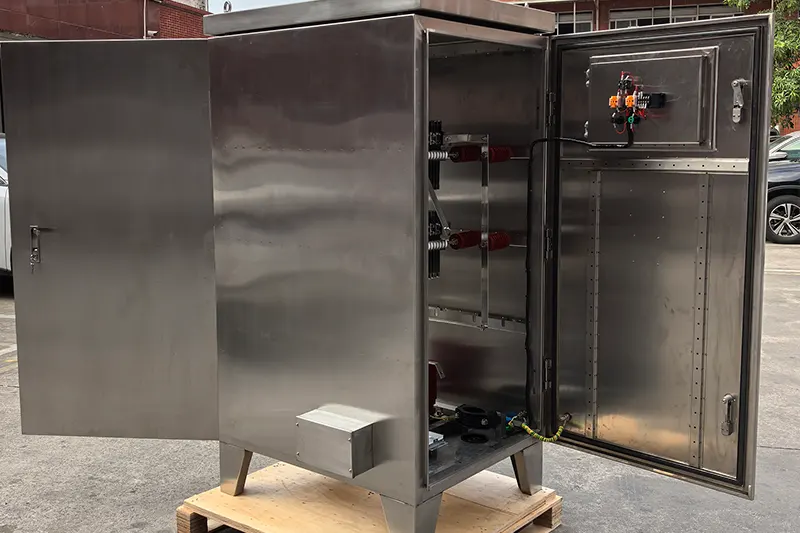
An RCD Load Bank plays a critical role in validating electrical power systems under controlled conditions. It ensures stability, safety, and performance accuracy across generators, UPS systems, and industrial power installations. This article explains how RCD Load Banks work, why they matter, and how they enhance testing reliability for modern electrical infrastructures.
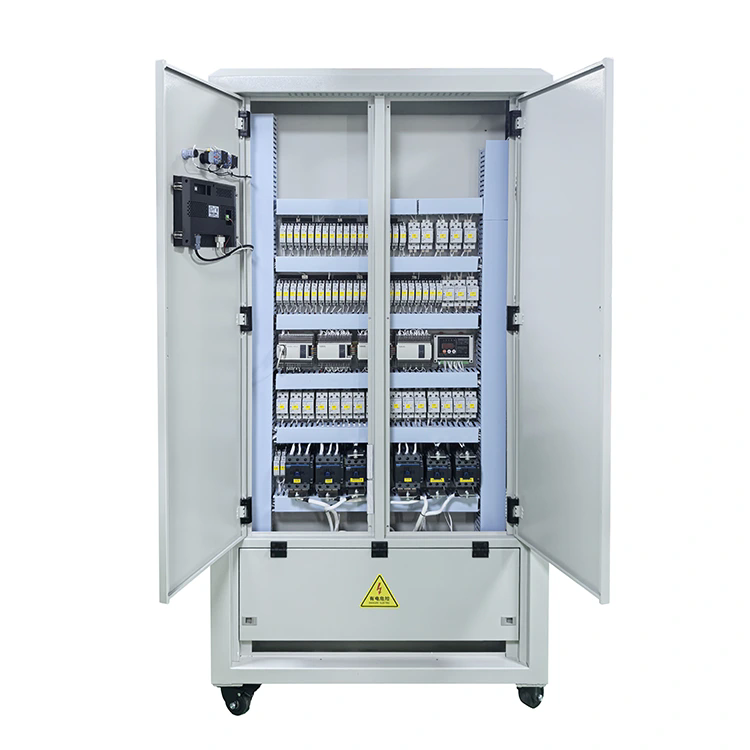
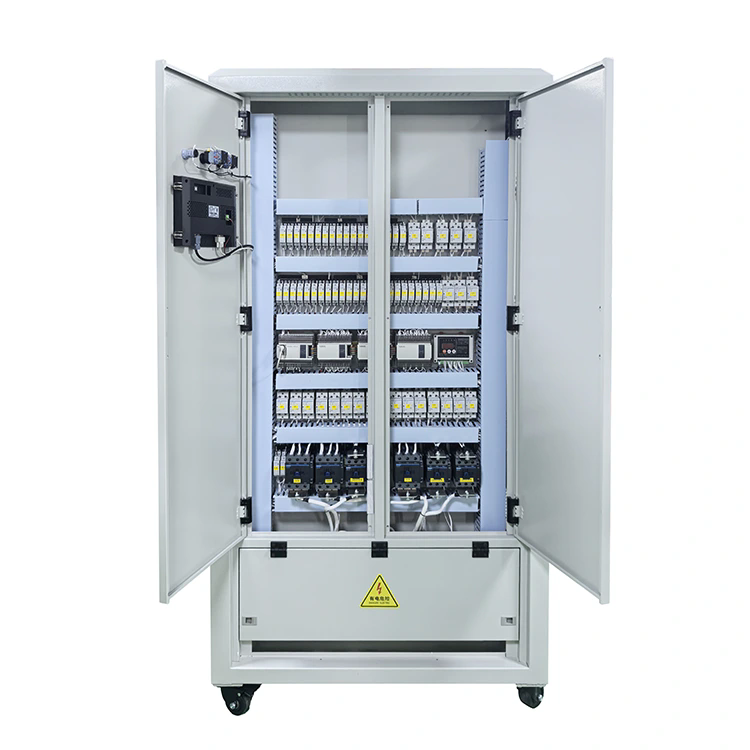
An RCD Load Bank is a specialized testing device designed to simulate electrical loads safely and precisely. It is widely used to verify the performance of backup generators, UPS systems, and power distribution units under real-world conditions without exposing critical infrastructure to risk.
Unlike basic load testing equipment, RCD Load Banks integrate advanced control and protection mechanisms that allow engineers to evaluate system behavior with greater precision and repeatability.
Power systems must operate flawlessly during emergencies, peak demand, or grid instability. Without proper testing, failures may occur when systems are most needed.
RCD Load Banks operate by applying controlled resistive, capacitive, or inductive loads to a power source. This controlled stress test allows engineers to observe system performance under various operating conditions.
The process generally includes:
This structured testing ensures that all components of the power system are verified under realistic conditions without causing damage or operational downtime.
Modern RCD Load Banks offer a variety of advanced features that enhance testing accuracy and operational safety.
These features allow engineers to simulate complex load scenarios while maintaining full control over test parameters.
Traditional load testing often relies on improvised or fixed resistance systems, which lack flexibility and precision. RCD Load Banks, on the other hand, provide dynamic control and higher measurement accuracy.
Key differences include:
This makes RCD Load Banks significantly more suitable for modern industrial and commercial applications.
RCD Load Banks are widely used across multiple industries where power reliability is critical.
In each of these environments, uninterrupted power is essential, and RCD Load Banks provide the assurance needed through rigorous testing.
Choosing the right RCD Load Bank depends on system requirements and operational conditions. Below are key factors to consider:
Proper selection ensures optimal testing performance and long-term reliability of both the load bank and the power system under test.
| Feature | Traditional Load Testing | RCD Load Bank |
|---|---|---|
| Load Accuracy | Moderate | High precision control |
| Safety Mechanism | Basic protection | Advanced multi-layer protection |
| Data Monitoring | Limited | Real-time digital analytics |
| Flexibility | Low | Highly configurable |
| Industrial Suitability | Small-scale use | Mission-critical systems |
Q1: What is the main purpose of an RCD Load Bank?
It is used to simulate electrical loads to test and validate the performance of power systems such as generators and UPS units.
Q2: Can RCD Load Banks be used for continuous testing?
Yes, they are designed for both short-term diagnostic testing and extended load simulation scenarios.
Q3: Are RCD Load Banks safe for sensitive equipment?
Yes, they include built-in protection systems that prevent damage to connected equipment during testing.
Q4: What industries benefit most from RCD Load Banks?
Industries requiring uninterrupted power such as data centers, healthcare, telecommunications, and manufacturing benefit the most.
RCD Load Banks are essential tools for ensuring the reliability and stability of modern power systems. By simulating real operational conditions, they allow engineers to detect vulnerabilities before they become critical failures. Their precision, safety features, and adaptability make them indispensable across multiple industries.
For high-performance solutions and professional guidance, RST Electric provides advanced RCD Load Bank systems designed to meet demanding industrial requirements. If you are looking to enhance your power testing capabilities, RST Electric is ready to assist you—contact us today.