
Abstract · This article provides a detailed technical examination of the Aluminum Housing Resistor, exploring its construction, thermal management principles, and critical role in industrial power control. The discussion covers wirewound and thick-film technologies, power ratings, heat dissipation mechanisms, and application considerations for demanding environments requiring reliable high-power resistors.
01. Construction and Core Technologies
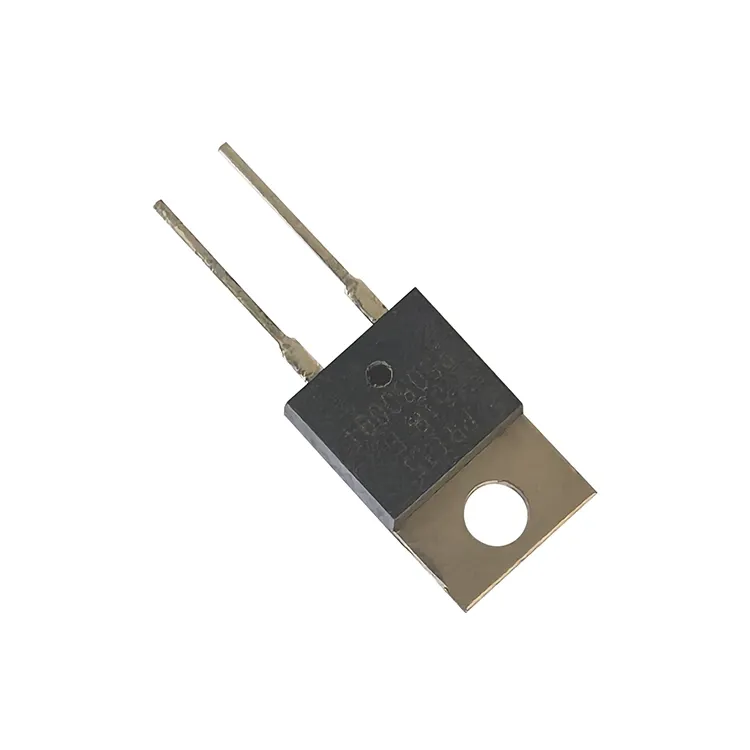
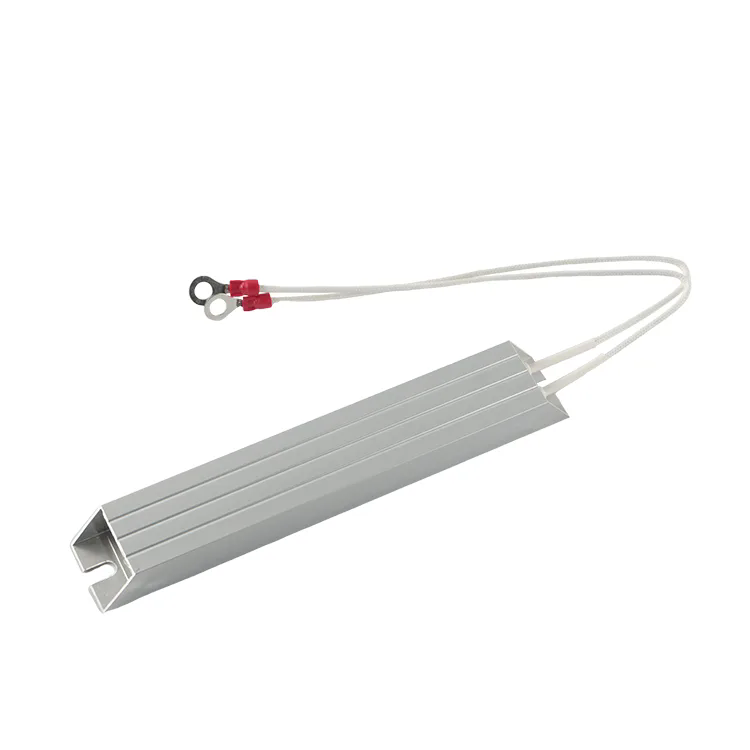
The Aluminum Housing Resistor is a power resistor designed for applications requiring robust construction and efficient heat dissipation. The device consists of a resistive element—typically a wirewound coil or a thick-film resistance track—encapsulated within a ceramic core and housed in an extruded aluminum profile.
The aluminum housing serves multiple critical functions. It provides mechanical protection for the internal resistive element, acts as a heat sink to dissipate thermal energy, and offers a mounting surface for attachment to chassis or heat sinks. The internal construction varies by type: wirewound versions use resistance wire (such as Nichrome) wound on a ceramic former, while thick-film versions use a resistive paste screen-printed onto a ceramic substrate. Both designs are then potted or sealed within the aluminum housing using a high-temperature compound that ensures electrical insulation and thermal conductivity.
Extruded Aluminum
Wirewound or Thick-Film
Ceramic core and potting compound
02. Thermal Management and Heat Dissipation
Aluminum housing acts as an integrated heat sink, transferring heat to the surrounding air or mounting surface
Aluminum's high thermal conductivity (205 W/m·K) ensures efficient heat transfer from the element to the housing
Ribbed or finned profiles increase surface area for improved convection cooling
Flat mounting surface allows direct attachment to chassis for additional heat sinking
Effective thermal management is the defining characteristic of the aluminum housing resistor. The power dissipated in the resistive element generates heat that must be removed to prevent overheating and ensure long-term reliability. The aluminum housing provides a low-resistance thermal path from the element to the exterior, where heat is transferred to the air by convection and radiation. When mounted to a metal chassis or heat sink, the housing can conduct heat away even more efficiently, allowing the resistor to operate at higher power levels than its free-air rating.
Thermal Note: The power rating of an aluminum housed resistor is typically specified for a defined mounting condition (e.g., mounted on a standard heat sink). Operating without adequate heat sinking will reduce the allowable power dissipation and may cause premature failure.
03. Power Ratings and Performance Characteristics
The Aluminum Housing Resistor is available in a wide range of power ratings, from approximately 5 W to over 500 W. The power rating is determined by the resistor's ability to dissipate heat without exceeding its maximum operating temperature, typically 200°C to 275°C for the element.
| Parameter | Typical Range |
|---|---|
| Power Rating | 5 W to 500 W |
| Resistance Range | 0.1 Ω to 100 kΩ |
| Resistance Tolerance | ±1% to ±10% |
| Temperature Coefficient | ±50 to ±300 ppm/°C |
| Maximum Element Temperature | 200°C to 275°C |
| Dielectric Withstanding Voltage | 1000 V to 2500 V AC |
| Insulation Resistance | >100 MΩ at 500 V DC |
Based on typical specifications for aluminum housed power resistors.
The temperature coefficient of resistance (TCR) indicates how much the resistance changes with temperature. Lower TCR values are preferred for precision applications. The dielectric withstanding voltage and insulation resistance specifications confirm that the internal element is adequately isolated from the aluminum housing, which is important for safety and circuit integrity.
04. Electrical Insulation and Dielectric Strength
Although the aluminum housing is metallic, the internal resistive element is electrically isolated from it. This isolation is achieved through the ceramic core (typically alumina) and the potting compound that fills the space between the element and the housing.
- Ceramic Core: Provides the primary electrical insulation and mechanical support for the resistive element.
- Potting Compound: A thermally conductive, electrically insulating material (such as silicone or epoxy) fills voids and ensures that heat transfers efficiently from the element to the housing.
- Dielectric Withstanding Voltage: The insulation system is tested to withstand high voltages (typically 1000 V to 2500 V AC) without breakdown.
- Creepage and Clearance: The physical spacing between the element and the housing is designed to prevent electrical breakdown under rated conditions.
The isolation between the element and the housing allows the resistor to be mounted directly to a grounded metal chassis without risk of short circuits. This is essential for safe operation in industrial equipment where the chassis serves as a common ground reference.
05. Application Domains and Industry Use Cases
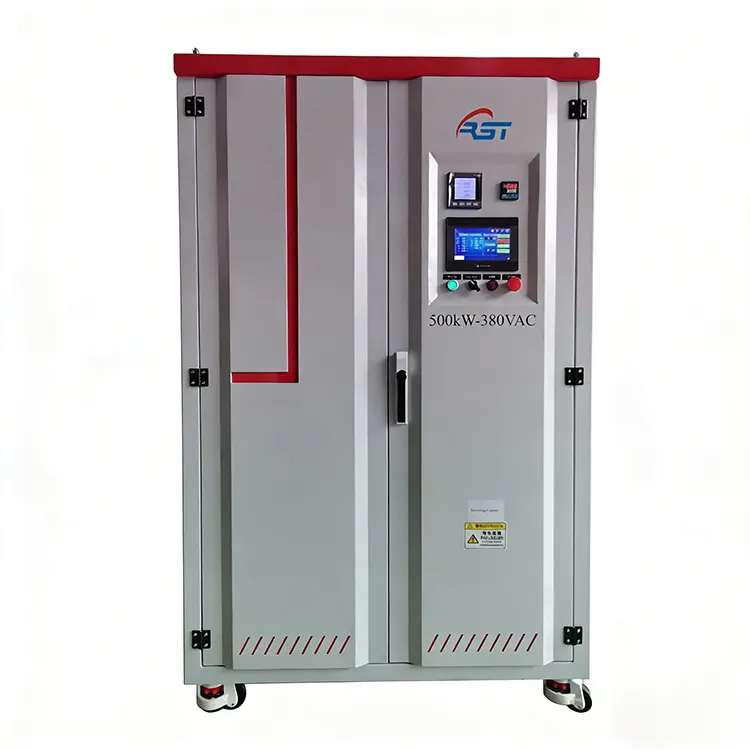
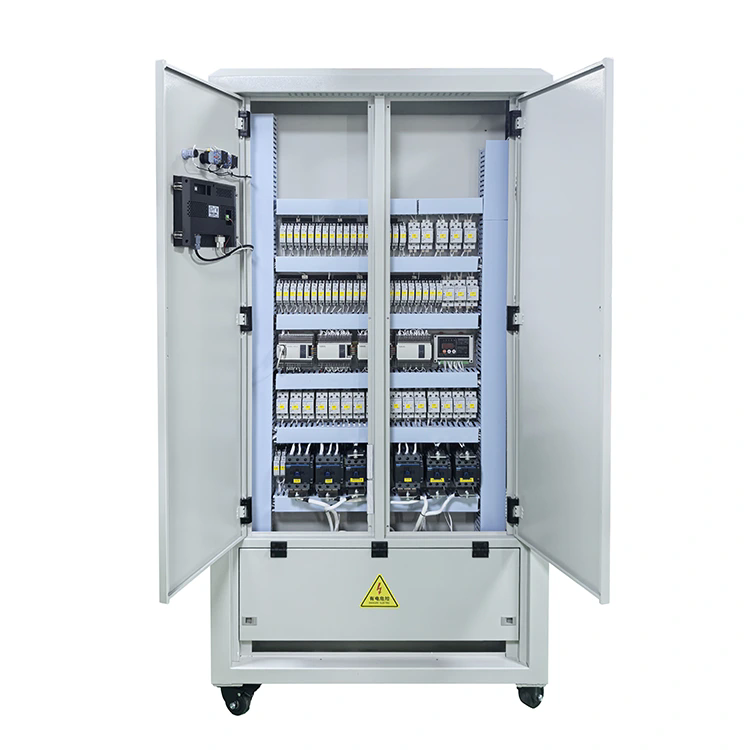
The Aluminum Housing Resistor is used in a wide range of industrial applications where reliable high-power dissipation is required. Its robust construction and thermal performance make it suitable for demanding environments.
- Motor Control and Braking: Used as braking resistors in variable frequency drives (VFDs) and servo systems to dissipate regenerative energy during deceleration.
- Power Supplies: Employed as load resistors, bleeder resistors, and inrush current limiters in industrial power supply units.
- Renewable Energy: Used in solar inverters and wind turbine systems for dynamic braking and load testing.
- Test and Measurement: Load banks and test equipment use these resistors to simulate electrical loads for generator and UPS testing.
- Heating Applications: Used in industrial heating systems, packaging machinery, and process equipment where controlled heat generation is required.
- Automotive and EV: Used in electric vehicle pre-charge circuits, battery management systems, and regenerative braking systems.
06. Installation and Environmental Considerations
Proper installation is essential for achieving the rated performance and longevity of an aluminum housing resistor. Several factors must be considered during system design and assembly.
- Mounting: The resistor should be mounted securely to a flat, clean surface. Thermal interface material (TIM) may be used to improve heat transfer between the resistor and the mounting surface.
- Ventilation: Ensure adequate airflow around the resistor to allow convective cooling. Avoid enclosing the resistor in a confined space without ventilation.
- Wiring: Use appropriately sized wire and secure connections to prevent overheating at the terminals. Observe the terminal torque specifications.
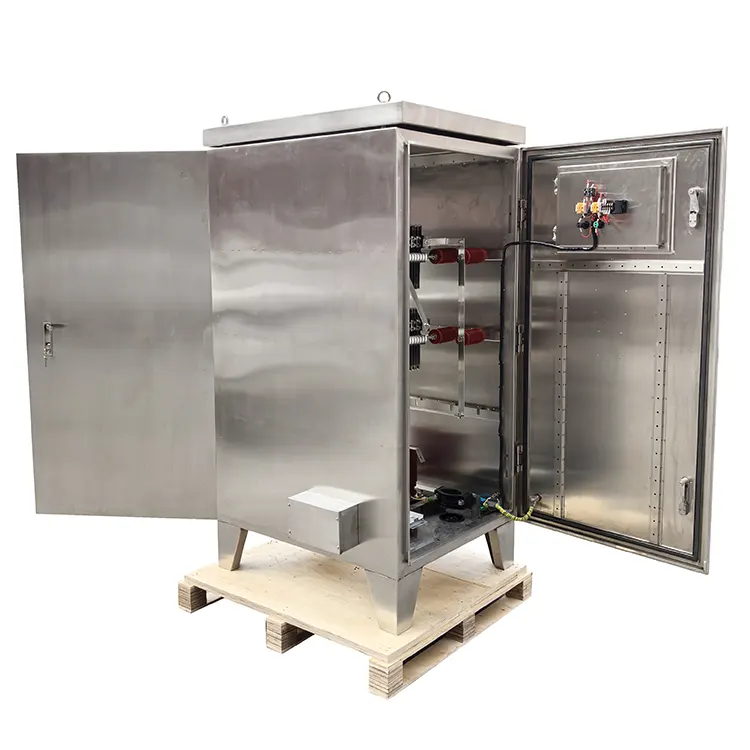
- Environmental Protection: The aluminum housing provides some protection against dust and moisture, but additional enclosures may be required for harsh environments.
- Temperature Derating: If the ambient temperature exceeds the rated ambient, the power dissipation must be derated according to the manufacturer's curve.
Installation Note: The power rating of an aluminum housed resistor is often specified for mounting on a standard heat sink. If the resistor is operated without a heat sink, the allowable power dissipation may be significantly reduced. Always consult the manufacturer's derating curves.
Frequently Asked Questions
Technical specifications and standards may vary. Always consult the manufacturer's documentation for your specific application requirements.