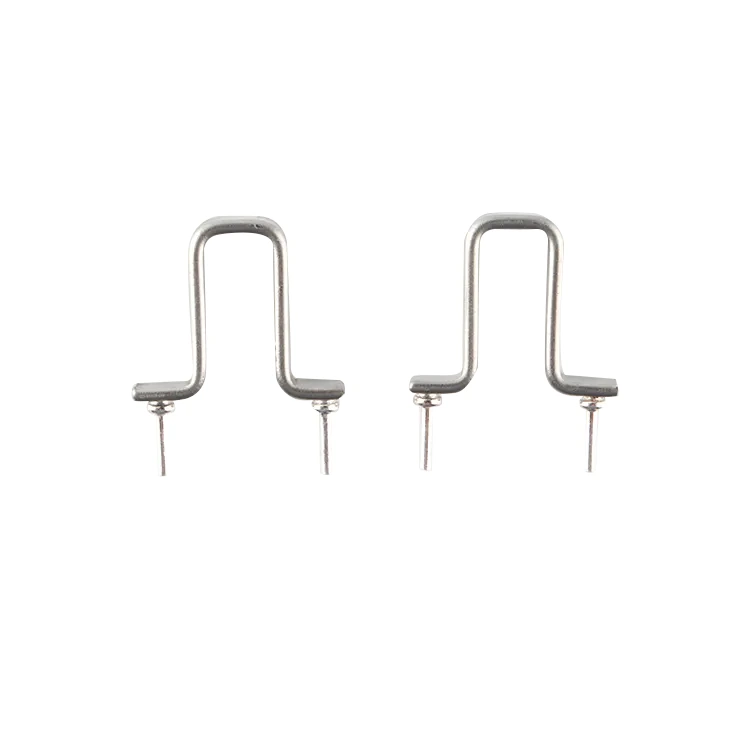
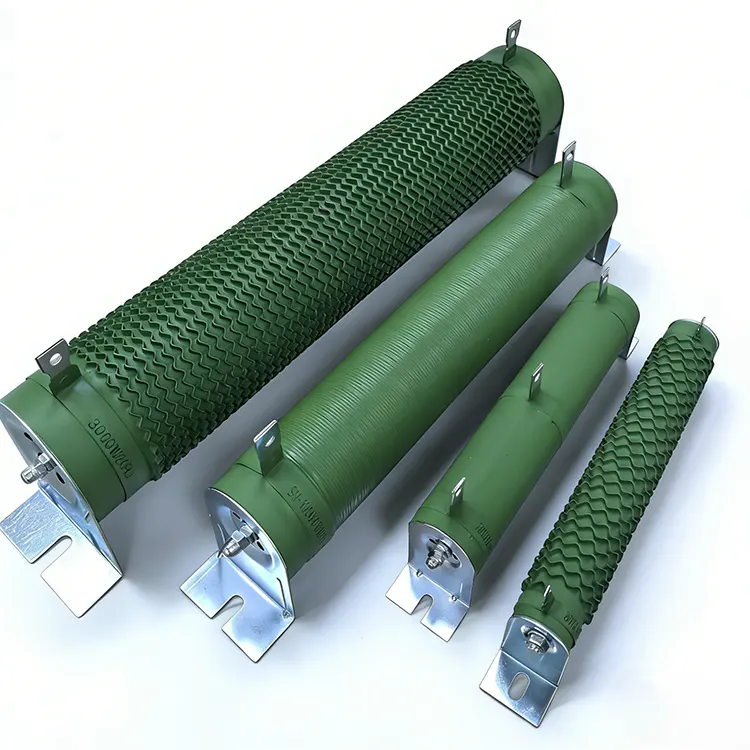
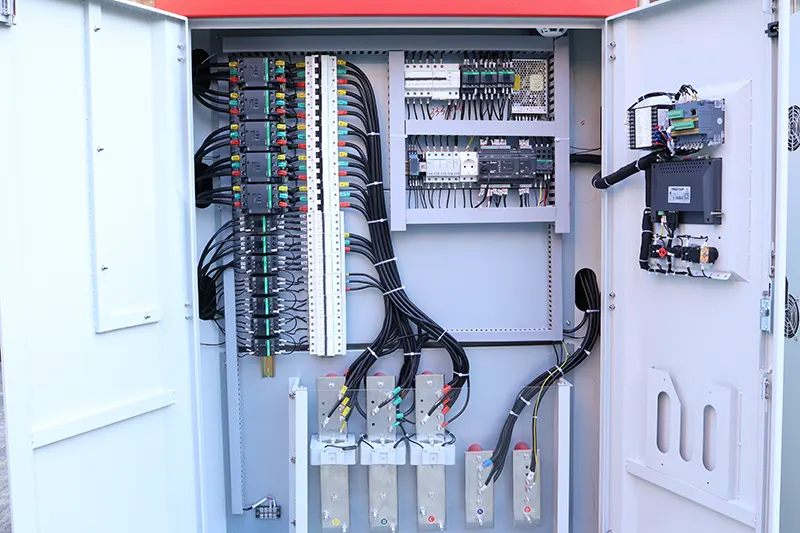
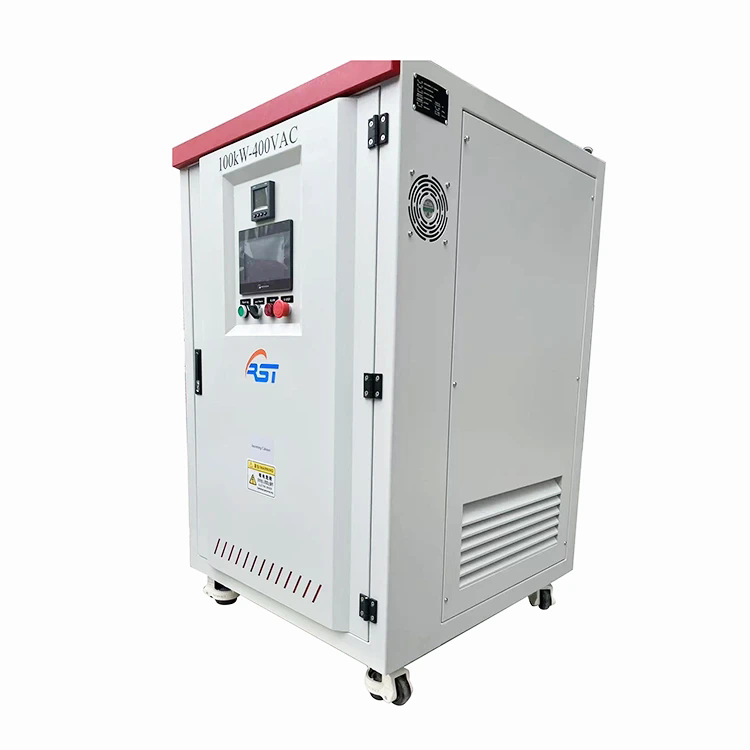
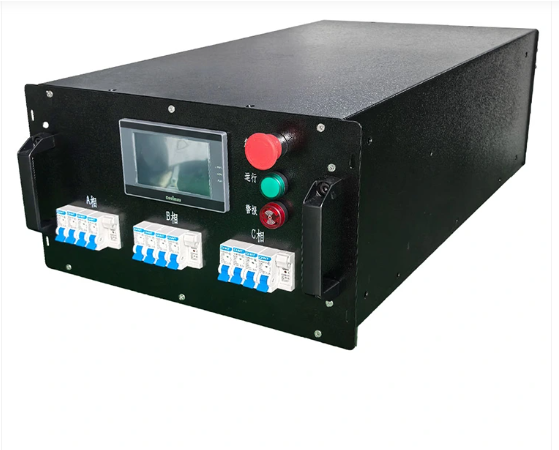
Electric vehicle (EV) adoption depends on one critical infrastructure component: the charging station. Within every fast charger, DC‑DC converter, and pre‑charge circuit, a small but mighty component – the ceramic resistor – plays an outsized role in efficiency, thermal management, and reliability. As charging power levels rise from 50kW to 350kW+, resistors must handle higher energy pulses, tighter tolerances, and extreme temperature swings. This article explains how modern ceramic resistor technology directly boosts EV charging efficiency and why sourcing from an experienced manufacturer like RST Electric eliminates common field failures.
A ceramic resistor is a passive component that limits current, divides voltage, and dissipates energy as heat. In EV chargers, they are deployed in:
Each application demands high pulse withstand, low inductance, and stable resistance over a wide temperature range (–55°C to +275°C). A poorly designed resistor can waste energy as excess heat, reduce charging speed, or even fail catastrophically.
| Pain Point | Consequence in EV Charging | How a High‑Quality Ceramic Resolver Solves It |
|---|---|---|
| Excessive heat generation | Lower efficiency, bulky cooling systems | High thermal conductivity (ceramic body) dissipates heat rapidly |
| Poor pulse handling | Resistor burnout during pre‑charge | Ceramic wirewound design withstands 10× nominal power for short pulses |
| Loose tolerance (e.g., ±10%) | Inaccurate current sensing, reduced energy transfer | Tight tolerance (±1% or ±5%) ensures precise control |
| Inductance issues | Voltage overshoot, EMI interference | Non‑inductive winding or low‑inductance design |
| Unstable under humidity/moisture | Corrosion, resistance drift | Ceramic coating + aluminum housing (IP rated) |
A premium ceramic resistor can improve charger efficiency by 0.5–1.5% – significant at 350kW where every percentage point saves hundreds of kWh per year per charger.
| Parameter | Typical EV Charger Requirement | High‑Performance Ceramic Resistor Value |
|---|---|---|
| Power rating (continuous) | 5W – 100W (pre‑charge) | 10W – 200W (aluminum housed) |
| Pulse energy withstand | Up to 50J for 1 second | 80J – 200J (ceramic wirewound) |
| Resistance range | 0.1Ω – 100kΩ | 0.01Ω – 220kΩ (custom) |
| Tolerance | ±5% (standard), ±1% (sensing) | ±1%, ±2%, ±5% (precision laser‑trimmed) |
| Temperature coefficient (TCR) | ≤ ±200 ppm/°C | ≤ ±100 ppm/°C (stable down to –55°C) |
| Operating temperature | –40°C to +125°C (ambient) | –55°C to +275°C (ceramic core) |
| Insulation resistance | ≥100 MΩ | ≥1000 MΩ (high purity ceramic) |
| Mounting type | Through‑hole or chassis mount | Aluminum housed, flange mount (easy heatsinking) |
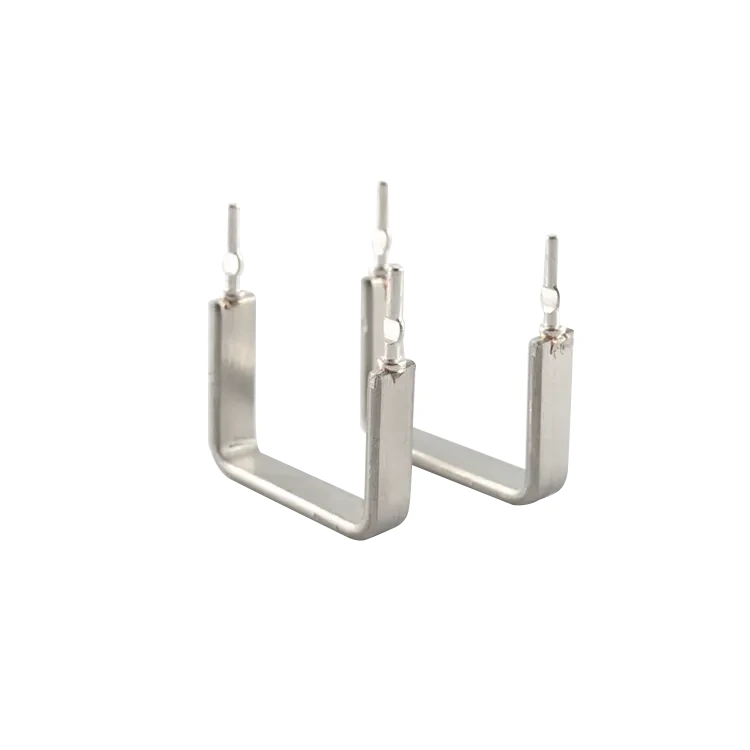
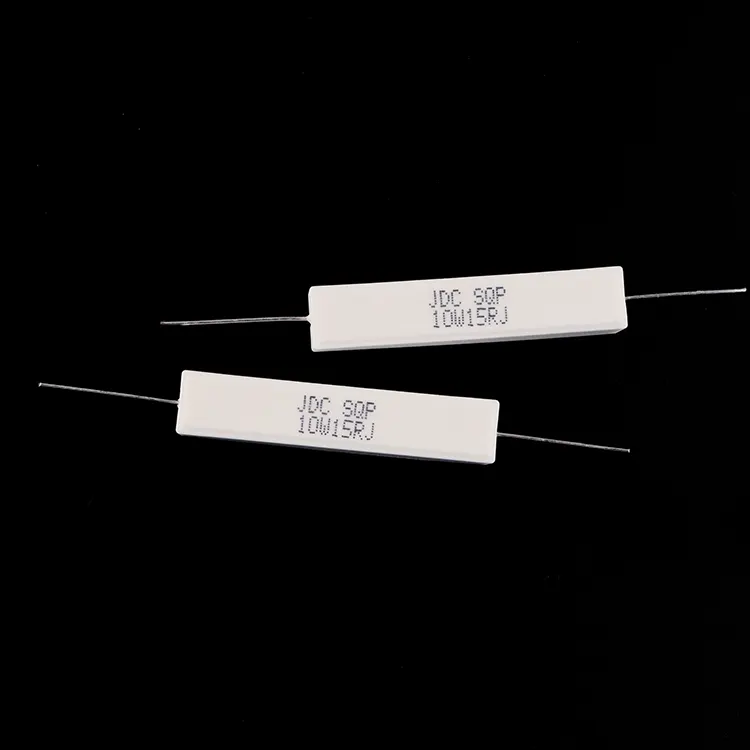
Unlike thick‑film resistors on epoxy substrates, a ceramic resistor uses a ceramic core (steatite or alumina) with a nickel‑chromium or copper‑nickel alloy winding. This construction offers three efficiency‑boosting advantages:
These properties translate directly into faster, more efficient charging – less energy lost as heat means more energy delivered to the battery.
Not all ceramic resistor products are equal. Mass‑market general‑purpose resistors often use lower‑grade ceramic, lose tolerance over temperature, and fail after a few thousand pulse cycles. For EV charging infrastructure, which may see 10+ cycles per day for 10 years, reliability is non‑negotiable.
Guangdong RST Electric began over a decade ago in Dongguan, China – a hub of manufacturing excellence – as a workshop devoted to power resistor technology. Their core product line includes ceramic resistor types such as:
Each resistor is engineered for industrial durability, with tight TCR, high insulation resistance, and rigorous quality control. Ruisite’s long‑term focus on power resistors means their manufacturing processes are optimised for the exact parameters that EV chargers demand.
Why choose Ruisite:
Before issuing a purchase order, verify:
Ruisite answers “yes” to all five, backed by a decade of power resistor specialisation.
As EV charging moves toward ultra‑fast 350kW+ and wireless charging, every component’s efficiency matters. The humble ceramic resistor – often overlooked – directly influences pre‑charge safety, current sensing accuracy, and thermal management. By choosing high‑quality ceramic wirewound or aluminum housed resistors with tight tolerances and excellent pulse handling, charger OEMs can boost overall system efficiency by 1–2%, reduce cooling needs, and extend product lifetime.
Do not treat resistors as commodities. Specify ceramic resistor types with verifiable pulse energy and TCR data. Partner with a dedicated manufacturer like RST Electric that has spent over a decade perfecting power resistor technology. Use the parameter table above as your technical annex in RFQs – and watch your EV chargers run cooler, faster, and longer.