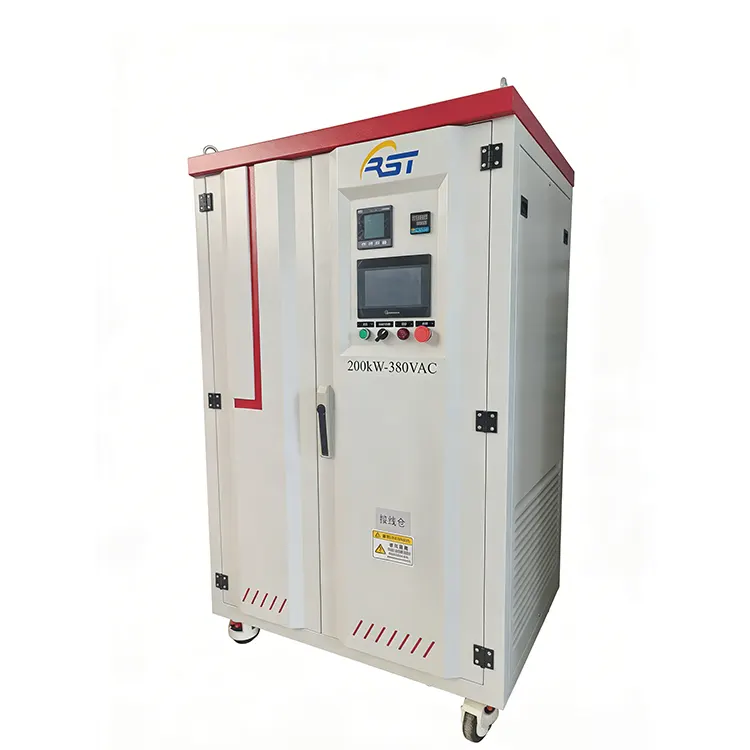
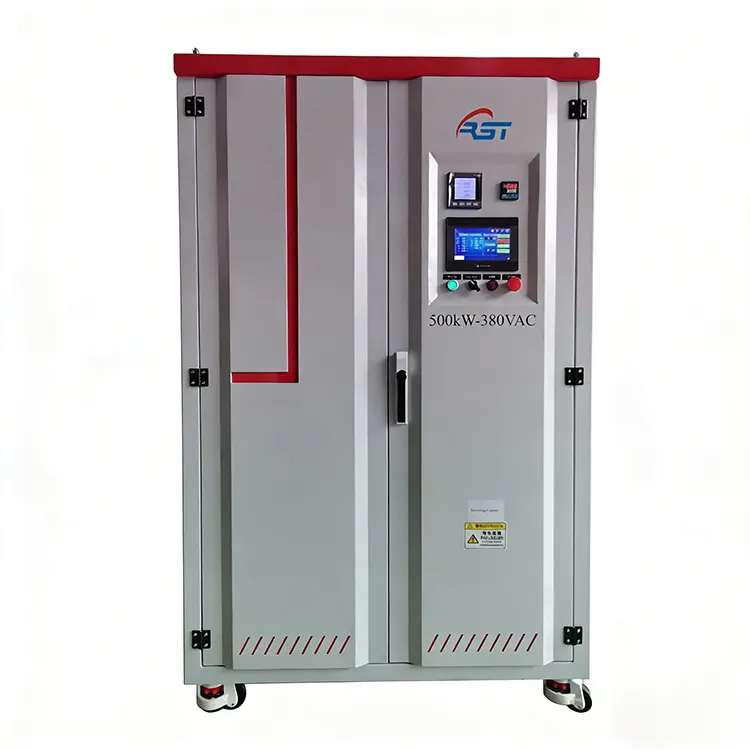
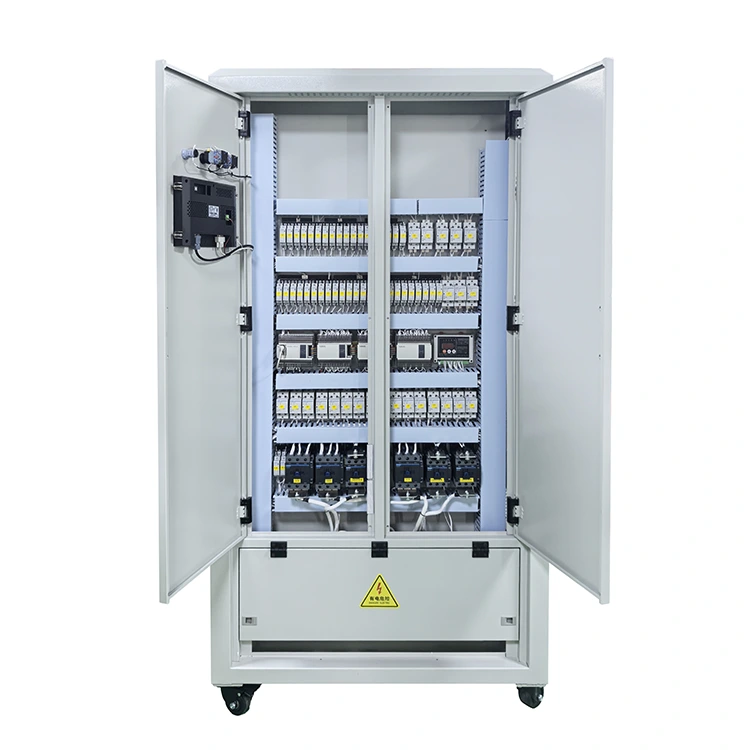
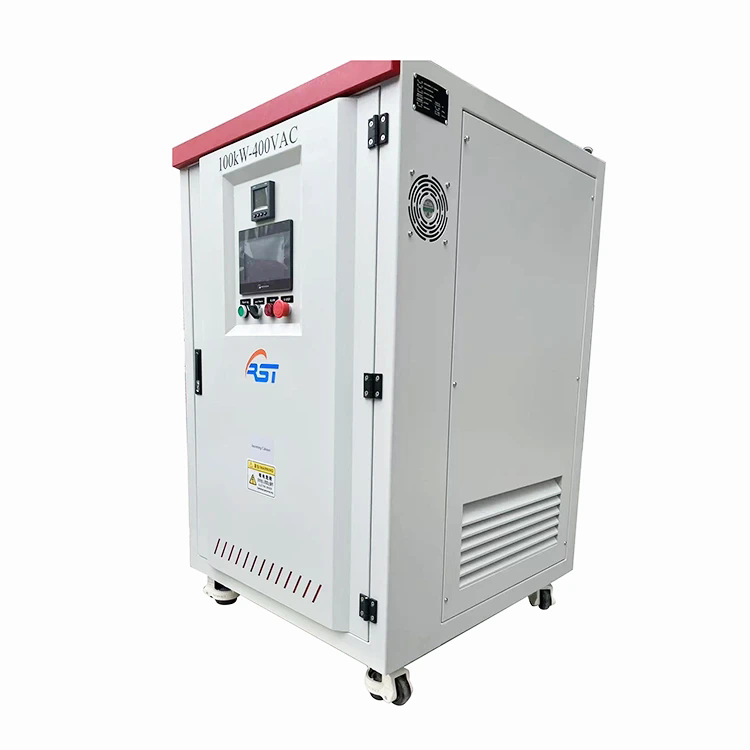
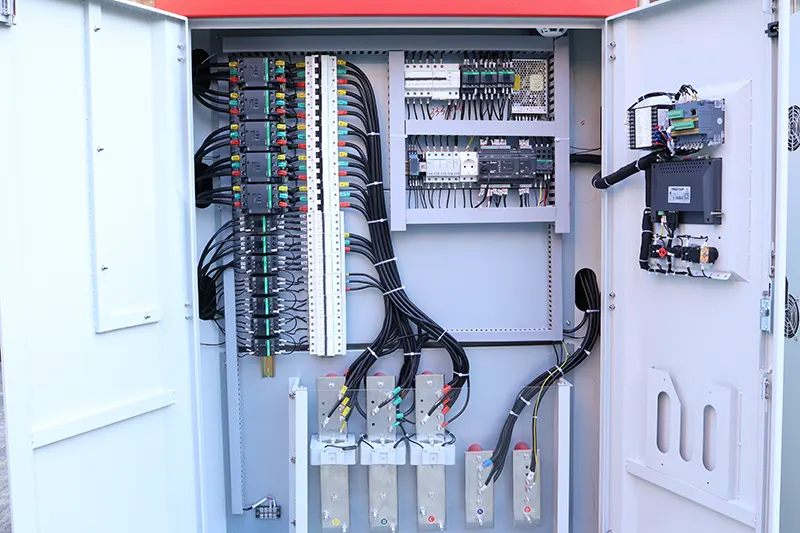
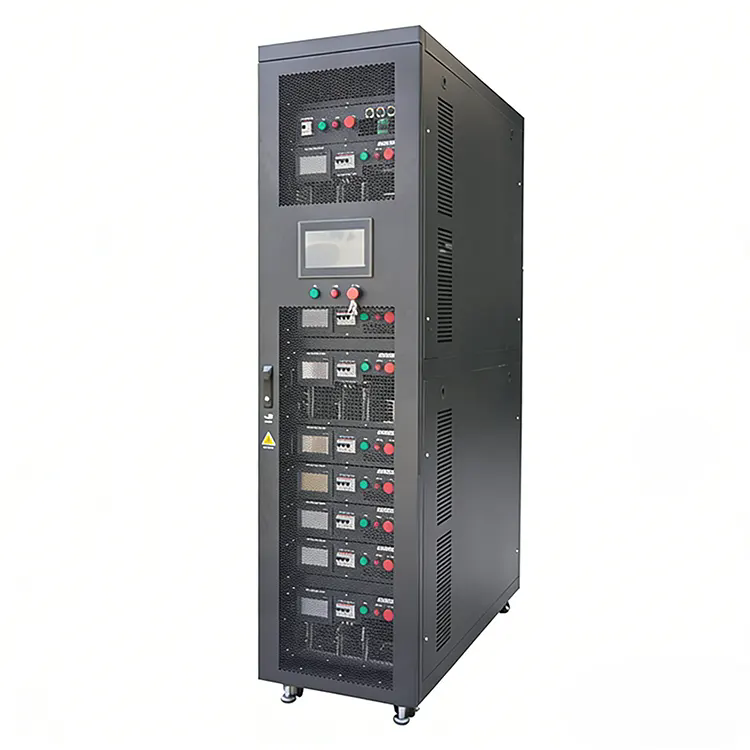
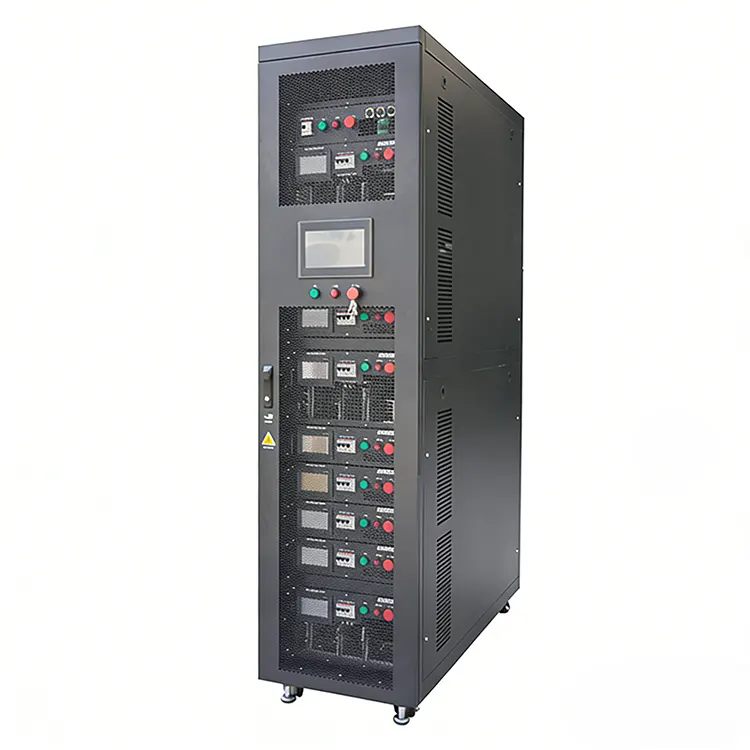
Liquid cooled load banks are becoming an essential solution for modern power system testing. From data centers and generator manufacturers to marine and industrial applications, these systems provide precise load simulation while reducing heat discharge, noise levels, and space requirements. This article explains how liquid cooled load banks work, their advantages, applications, maintenance requirements, and how to choose the right solution for demanding environments.
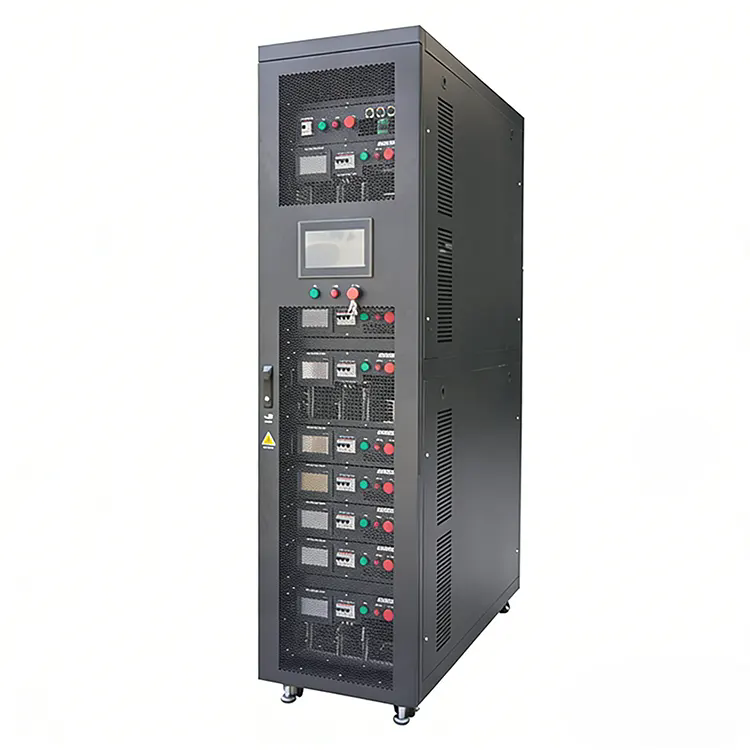
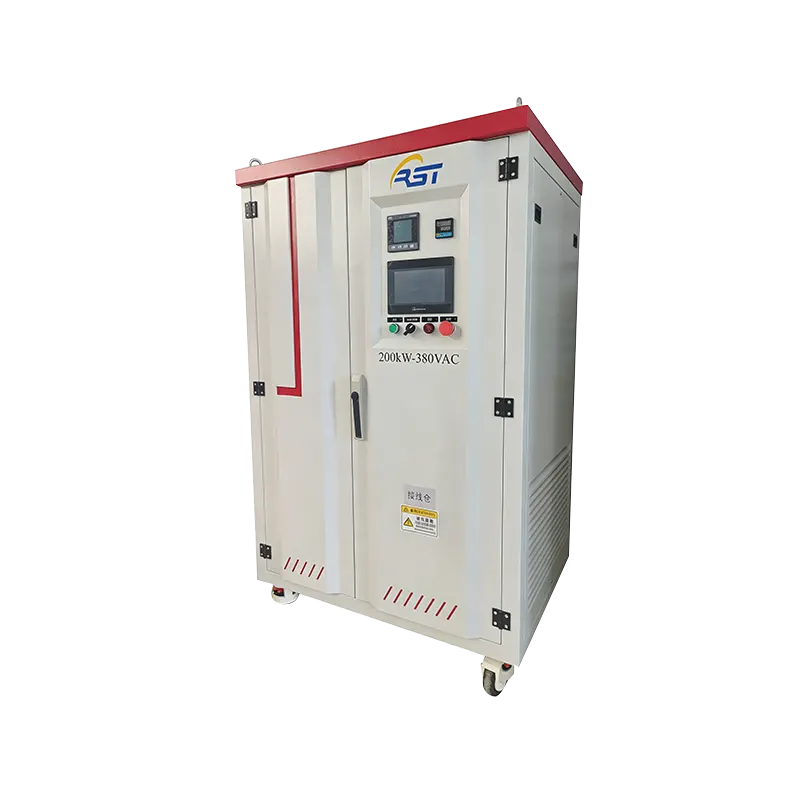
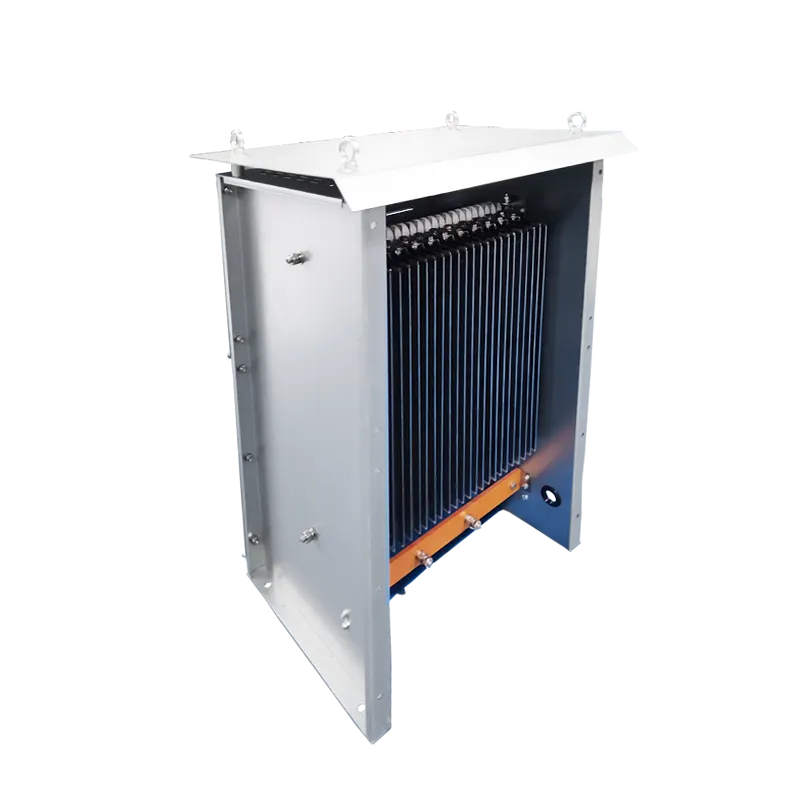
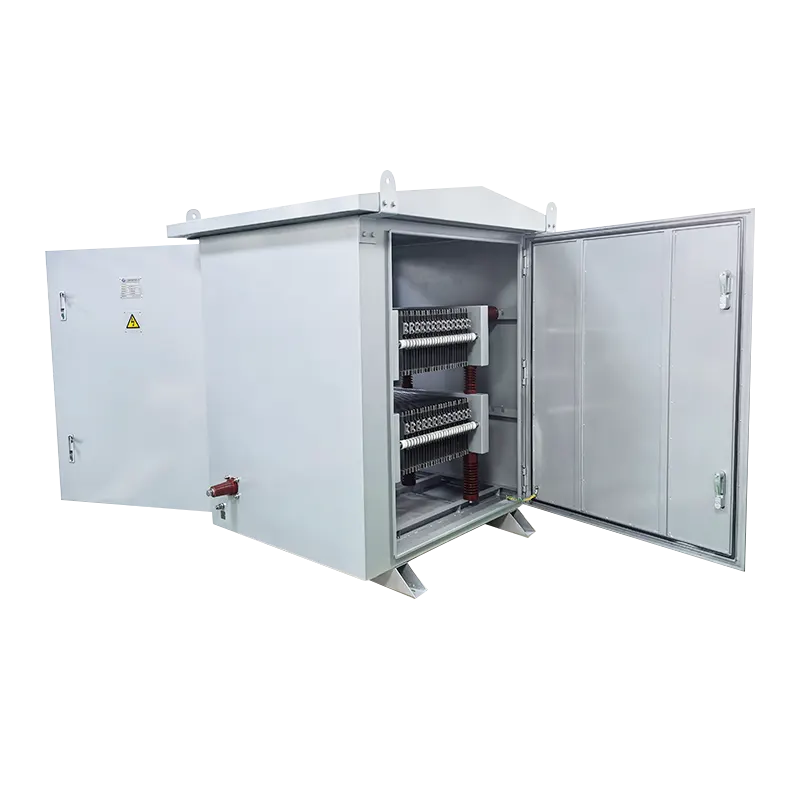
A liquid cooled load bank is a testing device designed to simulate electrical loads while dissipating generated heat through a liquid cooling system instead of traditional airflow. These systems are widely used for testing generators, UPS systems, turbines, battery storage systems, and power distribution equipment.
Unlike air cooled models that rely heavily on ventilation fans, liquid cooled load banks transfer heat into coolant circuits. This allows operators to perform high-capacity testing in enclosed environments with significantly lower noise and reduced thermal impact.
The operating principle is straightforward but highly efficient. Electrical power enters the resistive load elements, where energy is converted into heat. Instead of releasing this heat directly into the surrounding air, coolant fluid absorbs the thermal energy and transfers it to a heat exchanger.
This cooling cycle continuously regulates temperature and allows the load bank to maintain stable operation under high power conditions.
| Step | Process Description |
|---|---|
| 1 | Electrical power enters the load bank |
| 2 | Load elements convert electricity into heat |
| 3 | Coolant absorbs generated heat |
| 4 | Heat exchanger transfers thermal energy away |
| 5 | System maintains stable operating temperature |
Because heat is managed more effectively, liquid cooled systems can deliver higher power density in a smaller footprint compared to conventional air cooled load banks.
Air cooled load banks require powerful fans that generate substantial noise during operation. Liquid cooled systems dramatically reduce operational sound levels, making them ideal for hospitals, commercial buildings, offshore platforms, and urban installations.
Because liquid transfers heat more efficiently than air, these systems can manage larger electrical loads within compact enclosures. This helps save valuable installation space.
Traditional load banks release large amounts of hot air into the environment. Liquid cooled systems minimize ambient heat discharge, improving indoor working conditions and reducing HVAC stress.
Stable temperature management reduces thermal stress on internal components. This improves operational reliability and extends equipment lifespan.
Some advanced systems can redirect captured thermal energy for facility heating or industrial processes, improving overall energy efficiency.
Liquid cooled load banks are widely used across industries requiring dependable power system validation.
| Industry | Typical Use |
|---|---|
| Data Centers | UPS and backup generator testing |
| Marine | Shipboard power system verification |
| Oil & Gas | Emergency power reliability testing |
| Manufacturing | Generator factory acceptance testing |
| Renewable Energy | Battery storage and inverter testing |
| Military Facilities | Mission-critical power system validation |
| Feature | Liquid Cooled | Air Cooled |
|---|---|---|
| Noise Level | Low | High |
| Heat Emission | Minimal indoor heat | Large hot air discharge |
| Footprint | Compact | Larger |
| Cooling Efficiency | Excellent | Moderate |
| Maintenance Complexity | Moderate | Lower |
| Indoor Suitability | Excellent | Limited |
Selecting the correct liquid cooled load bank depends on operational goals, installation conditions, and power system requirements.
Businesses operating mission-critical systems should also evaluate future scalability. Investing in modular systems can simplify expansion as power demand increases.
Regular maintenance is essential for reliable performance and long-term operational safety.
Proper preventive maintenance minimizes downtime and ensures consistent testing accuracy.
Yes. They are specifically designed for environments where traditional air cooled systems may create excessive heat or noise.
They provide more efficient thermal management and higher power density, especially in demanding industrial applications.
Data centers, marine operations, energy facilities, manufacturing plants, and healthcare facilities commonly use liquid cooled load banks.
Yes. Cooling systems require periodic inspection, coolant replacement, and leak monitoring to maintain optimal performance.
Many high-capacity liquid cooled load banks are designed for continuous-duty operation with stable thermal control.
Liquid cooled load banks provide a modern solution for high-performance power testing applications. Their compact design, efficient cooling capability, low noise operation, and improved thermal management make them ideal for industries where reliability and operational efficiency are critical.
As power systems become increasingly complex, businesses need testing solutions capable of handling higher loads while maintaining stable environmental conditions. Liquid cooled technology offers a practical and scalable answer to these challenges.
RST Electric provides advanced liquid cooled load bank solutions designed for demanding industrial and commercial power testing environments. Whether you need support for data centers, generator systems, marine applications, or customized testing requirements, our engineering team can help you find the right solution.
For more product information and professional technical support, please contact us today.
-