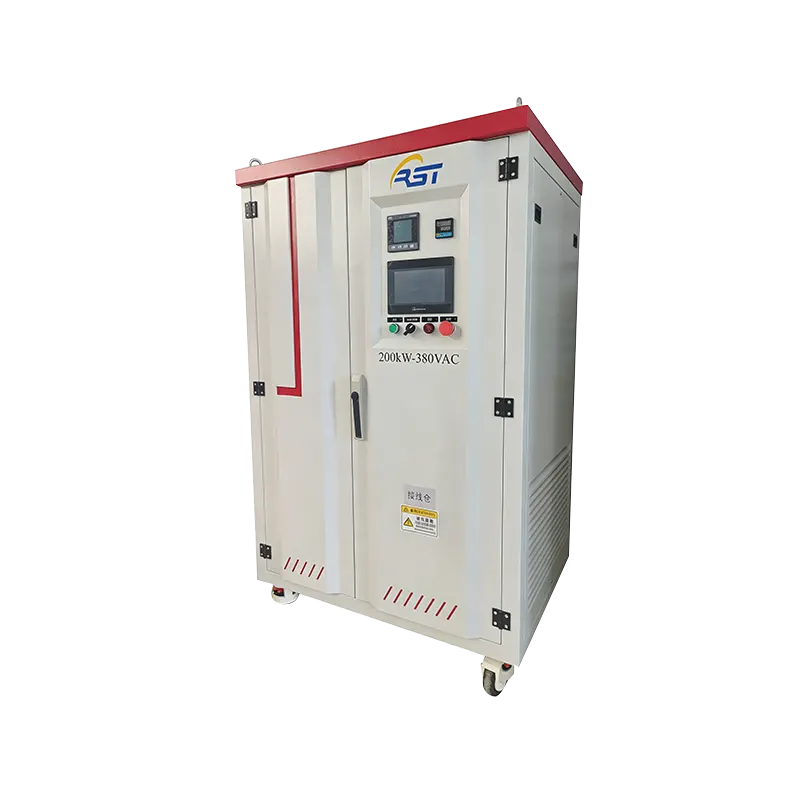
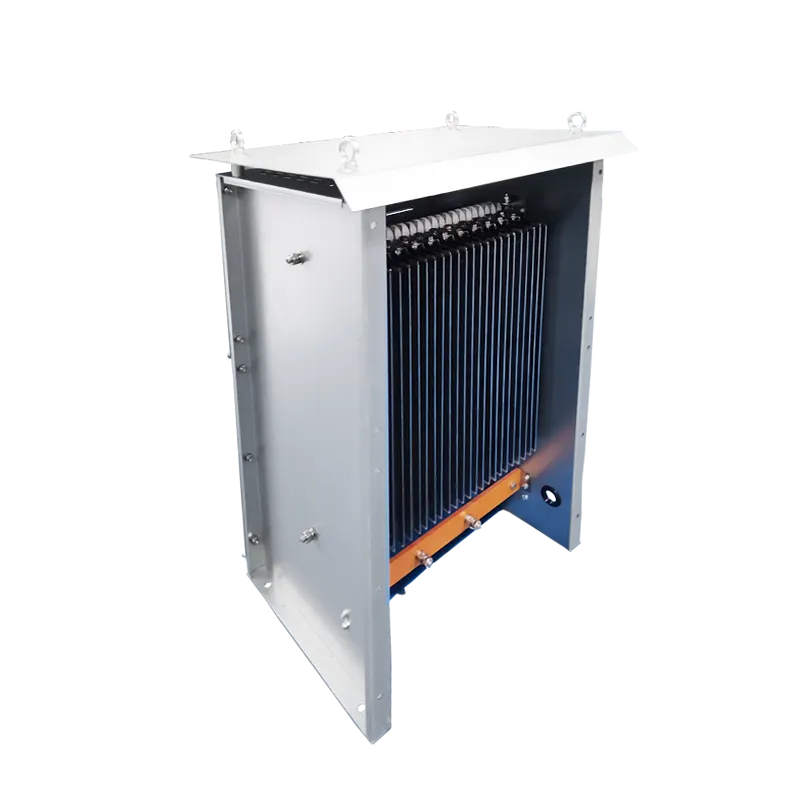
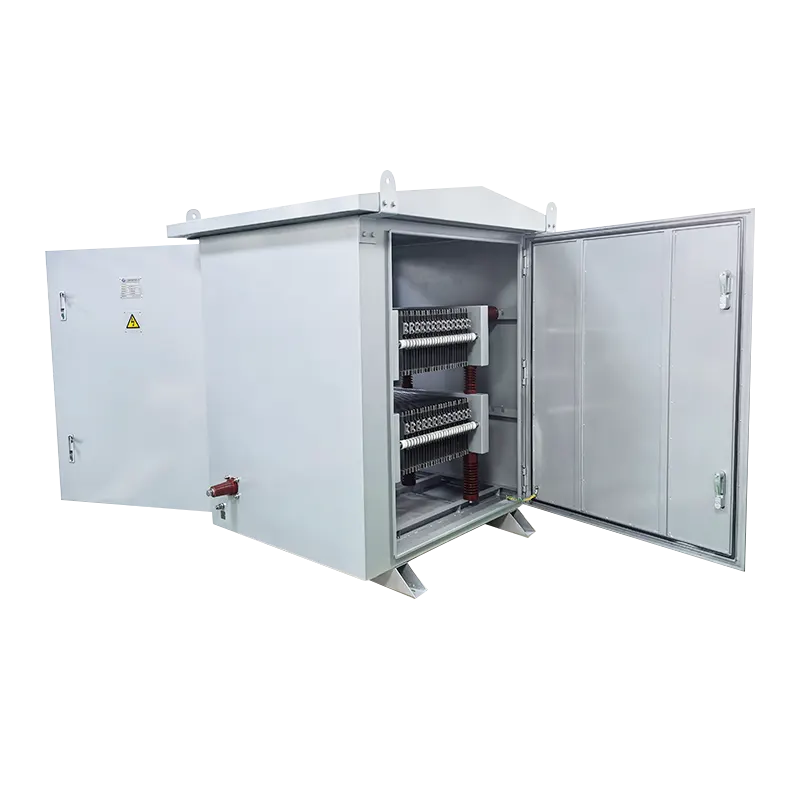
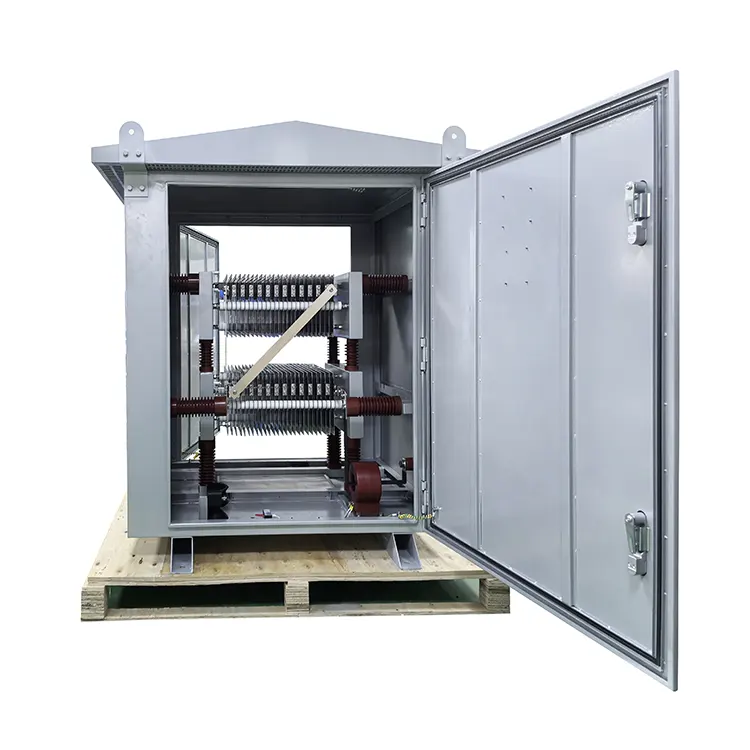
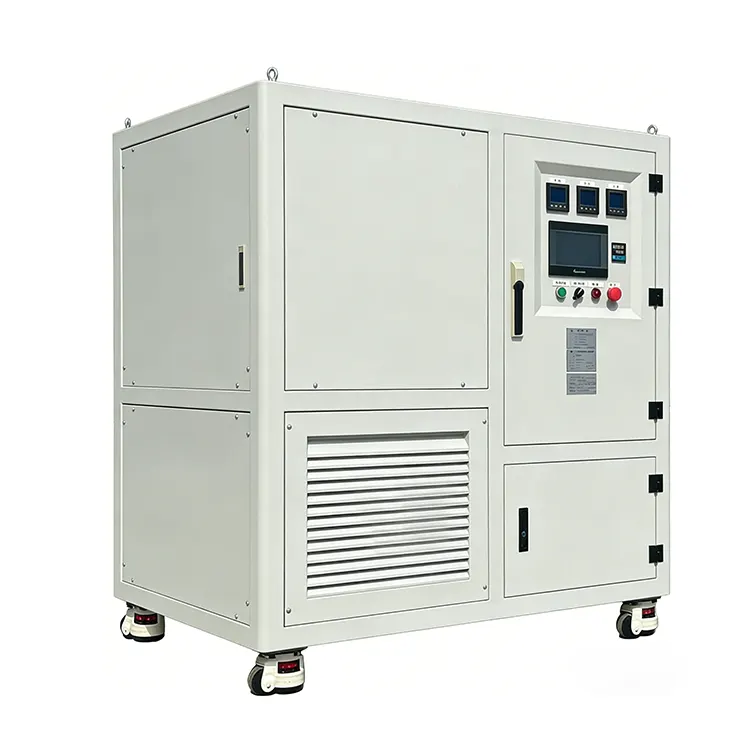
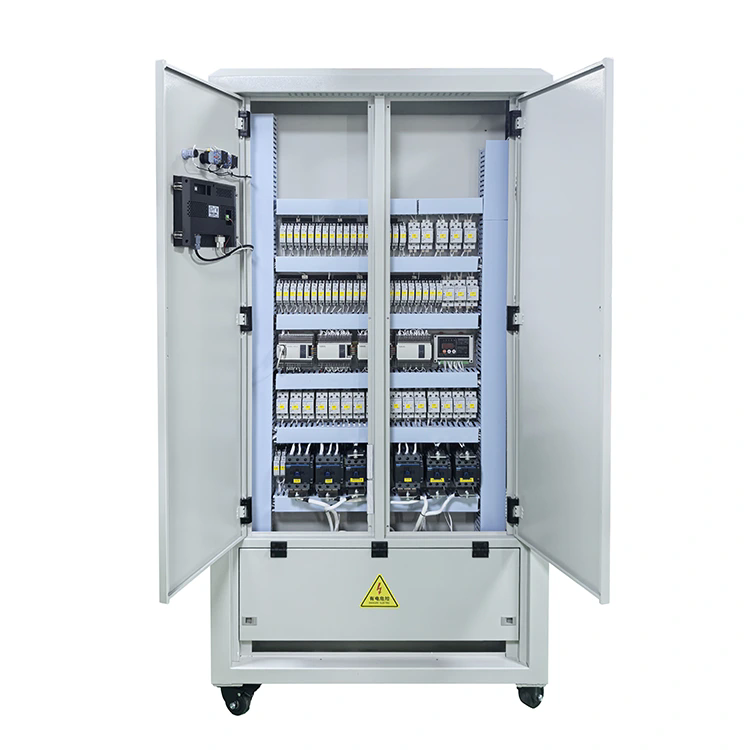
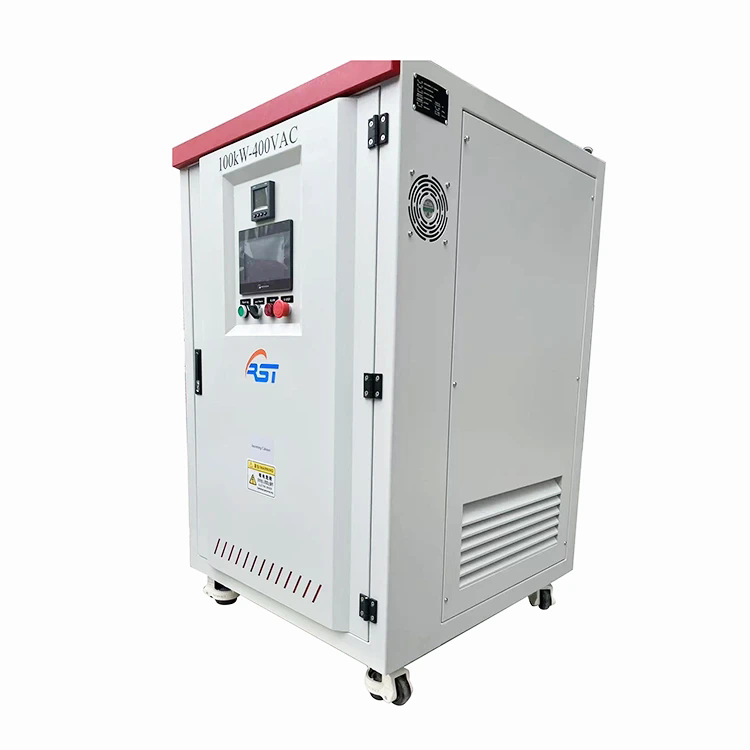
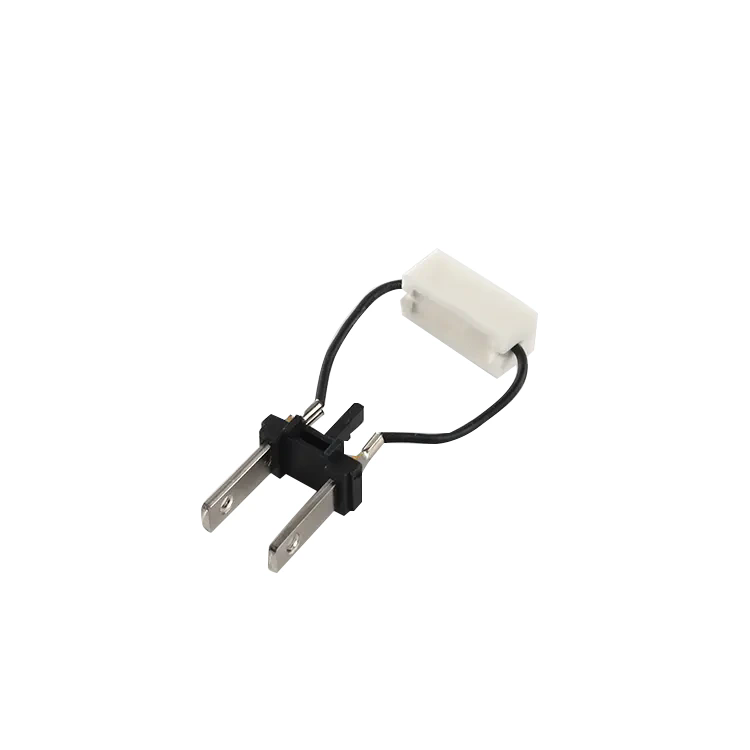
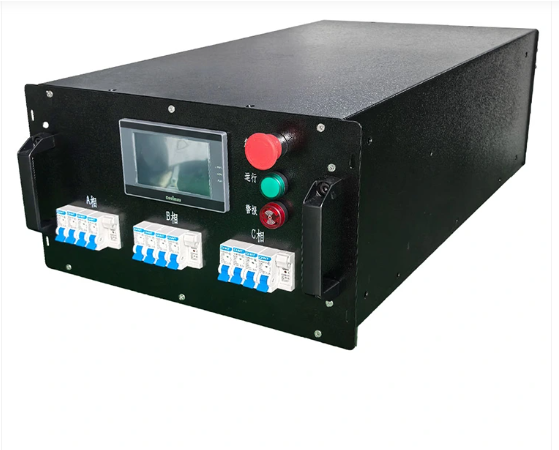
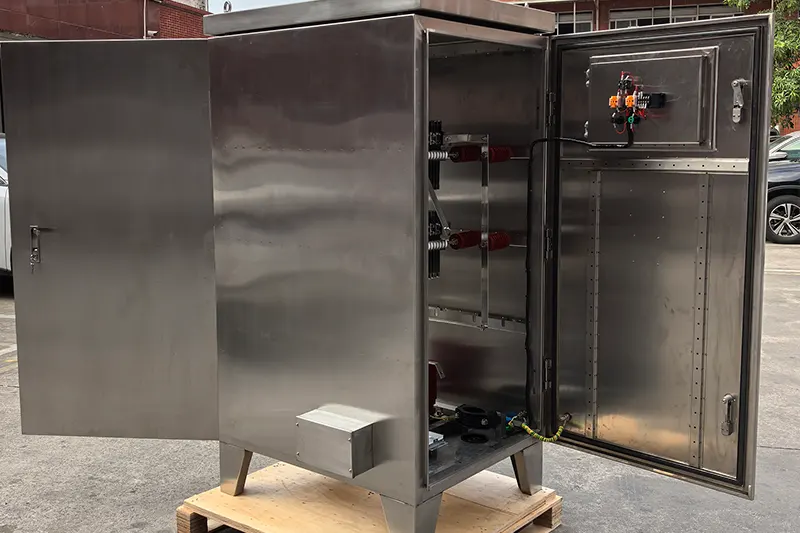
Electric trucks are massive energy consumers. A 40‑tonne battery electric truck climbing a highway ramp can draw 600kW. But what goes up must come down – and on long downhill grades, regenerative braking can return hundreds of kilowatts back to the battery. However, when the battery is fully charged or unable to accept more current (cold weather, high state of charge), that regenerated energy has nowhere to go. Enter the braking resistor – a component that absorbs and dissipates excess energy as heat, preventing overvoltage damage and enabling smarter energy management. Recent advances in resistor technology are turning waste heat into usable warmth for cabin heating or battery preconditioning, pushing electric truck efficiency to new levels. This article explains how modern braking resistor systems work, the engineering trade‑offs, and what fleet operators should look for.
Regenerative braking is highly efficient – recovering 70–85% of kinetic energy in urban stop‑start driving. But long downhill stretches (mountain passes, mine haul roads) can generate more energy than the battery can absorb. Without a braking resistor (also called a dynamic brake resistor or chopper resistor), the inverter’s DC link voltage rises dangerously, forcing the truck to switch to mechanical friction brakes. That wastes energy and wears brake pads.
A smart braking resistor system automatically activates when:
By shunting excess energy into a resistor bank, the truck maintains regenerative braking capability without battery damage. But traditional resistors simply convert electricity into heat and dump it into the air – a missed opportunity.
Leading electric truck manufacturers are now integrating braking resistor heat into thermal management systems. Instead of a standalone grid resistor behind the cab, the resistor bank is placed within a coolant loop (liquid‑cooled resistors) or in the HVAC air path. During regeneration events, captured heat is used for:
The result: a braking resistor that not only protects the electrical system but also contributes to overall energy efficiency. Field data from European electric truck fleets shows that smart thermal‑integrated braking resistors can recover 5–8 kWh of otherwise wasted heat per 100 km of downhill driving – enough to run the cabin heater for an hour.
Not all braking resistor designs are suitable for heavy‑duty electric trucks. Key specifications to evaluate:
| Parameter | Typical Requirement for Electric Truck | Why It Matters |
|---|---|---|
| Continuous power rating | 50 – 300 kW (depending on truck class) | Must sustain peak regeneration without overheating |
| Peak power (short term, 10‑30 sec) | 2× continuous (up to 600 kW) | For steep, long downhill grades |
| Resistance range | 0.5 – 5 Ω | Matches inverter DC bus voltage (typically 600‑800V) |
| Thermal mass (J/K) | ≥ 500 J/K per 100 kW | Determines how long resistor can absorb spikes before fan/cooling kicks in |
| Cooling method | Forced air or liquid‑cooled | Liquid cooling allows compact mounting near battery pack |
| Overload temperature limit | 350°C – 450°C (core) | Higher limit = more margin before thermal shutdown |
| IP protection | IP65 minimum (chassis‑mounted) | Resists road salt, water jets, dust |
| Vibration resistance | 10g (10‑500 Hz) | Survives rough terrain |
For electric concrete mixers, dump trucks, and long‑haul semis, liquid‑cooled braking resistor systems are becoming standard. They are smaller, respond faster, and integrate seamlessly with battery thermal management.
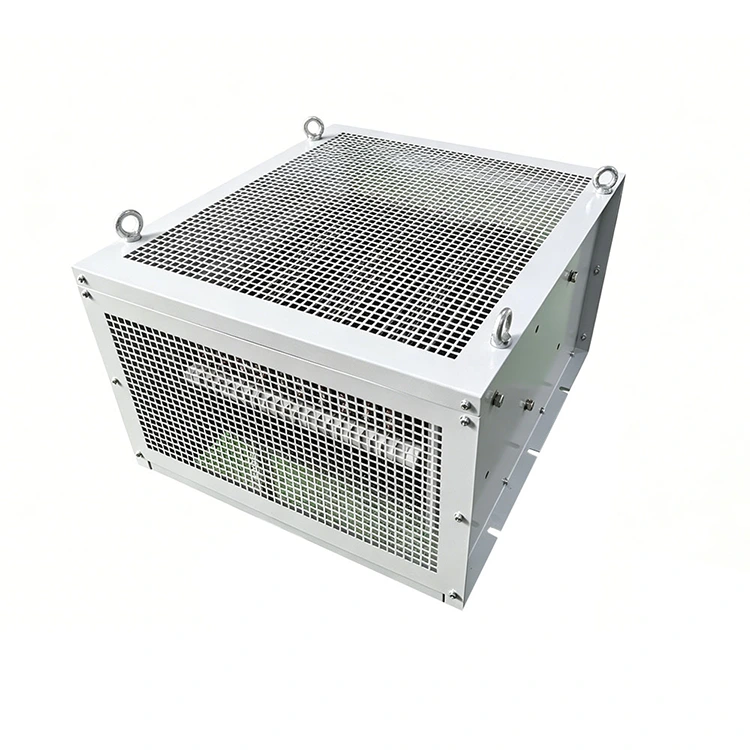
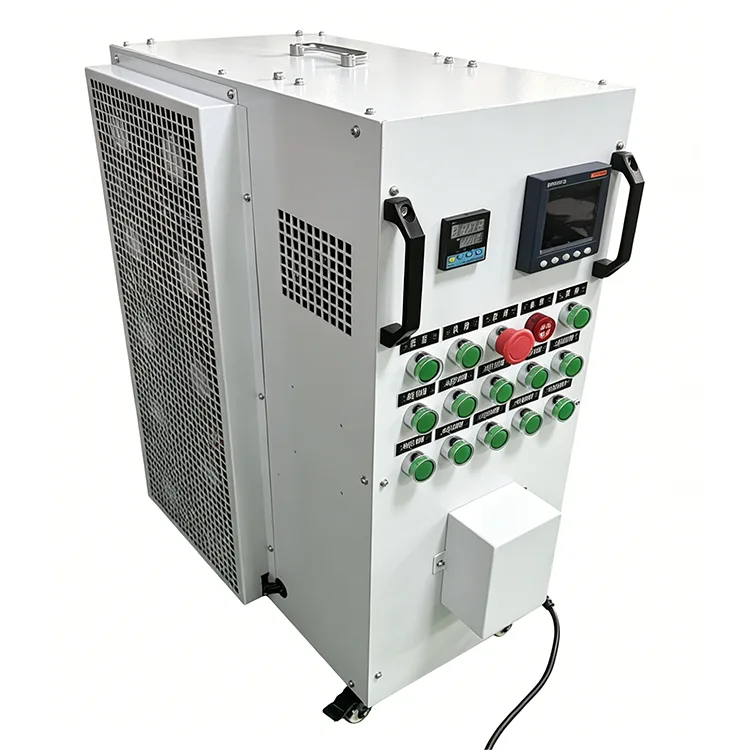
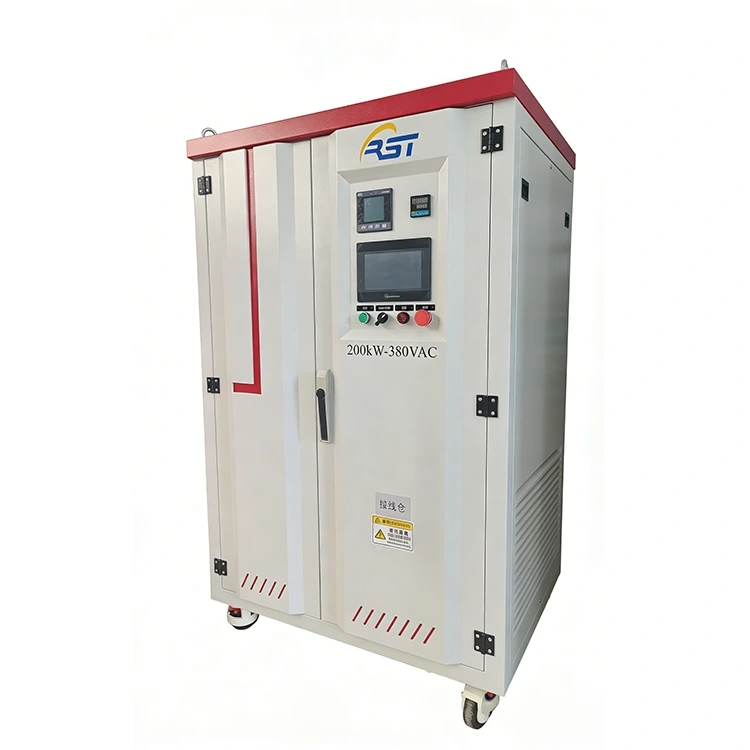
A 200kW air‑cooled resistor bank can weigh 80kg and take up a cubic metre of space behind the cab. Liquid‑cooled units with aluminium‑housed construction (like those from Ruisite) achieve the same power rating in a 25kg, 40×30×20 cm package – critical for low‑floor electric trucks where space is tight.
Air‑cooled resistors require high‑speed fans that generate 80‑90 dB – unpleasant for drivers and neighbourhoods. Liquid‑cooled braking resistor systems run silently, using the truck’s existing coolant pump.
Basic resistors are dumb: they turn on/off at a fixed voltage threshold. Smart resistors now include embedded temperature sensors and CAN bus communication, allowing the truck’s VCU to modulate power gradually, avoiding thermal shock and extending resistor life by 3‑5×.
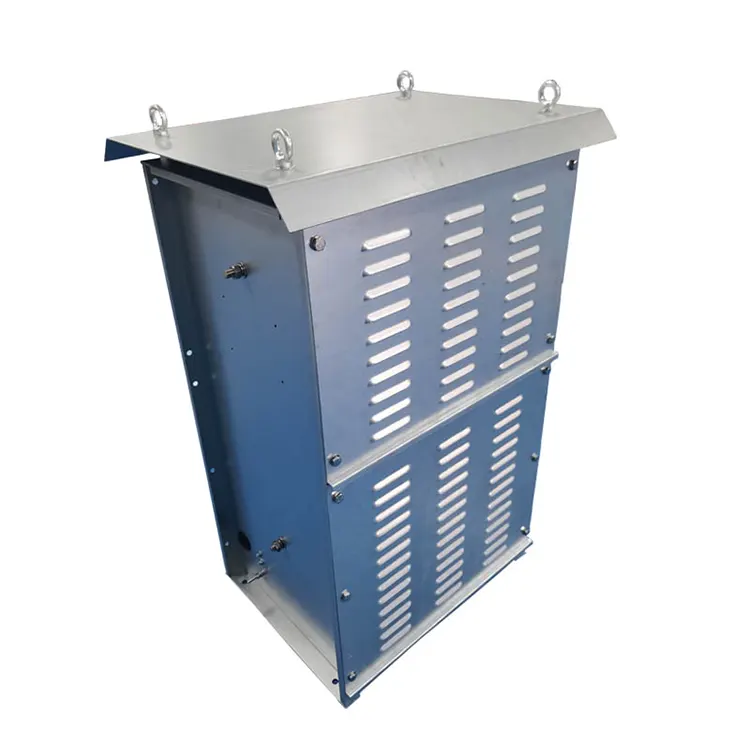
A copper mine in Chile retrofitted 12 electric haul trucks with advanced braking resistor systems. Previously, the trucks used exhaust brakes with no regeneration. After installation:
The mine is now specifying liquid‑cooled, CAN‑controlled braking resistor units for all new electric truck purchases.
Guangdong Ruisite Electric began over a decade ago as a specialised power resistor workshop in Dongguan. That deep‑rooted expertise has evolved into a production line for aluminium‑housed, ceramic wirewound, and through‑hole sampling resistors – but their core strength is braking resistor technology for industrial and electric vehicle applications.
Ruisite’s aluminium‑housed braking resistor series offers:
Unlike generalist resistor suppliers, Ruisite grew up supporting industrial drives and crane braking – applications where resistors face peak loads day after day. That same ruggedness now benefits electric trucks. Their manufacturing process includes 100% high‑voltage testing and thermal cycling checks before shipment.
For fleet operators and OEMs, choosing Ruisite means working with a supplier that has spent ten years refining the braking resistor for real‑world punishment – not just catalog components.
Before finalising your specification, verify:
Ruisite provides all five as standard.
The braking resistor has evolved from a simple protective dump load into a smart thermal‑energy asset. By capturing and repurposing heat that would otherwise be wasted, modern resistor systems contribute directly to electric truck range, brake longevity, and driver comfort. As battery energy density continues to rise, the real bottleneck may not be storage – but how well we manage the energy we already regenerate.
Do not treat the braking resistor as a commodity. Specify liquid‑cooled, CAN‑enabled units with sufficient thermal mass. Request cycle testing data from your supplier. And consider manufacturers like Ruisite that have spent a decade mastering the thermal and electrical demands of heavy‑duty dynamic braking.