Summary: Tubular wirewound resistors are essential components in high-power applications, offering precision, reliability, and excellent heat dissipation. This article explores their structure, working principle, advantages, and common applications, helping engineers and buyers make informed decisions when selecting resistors for demanding circuits.
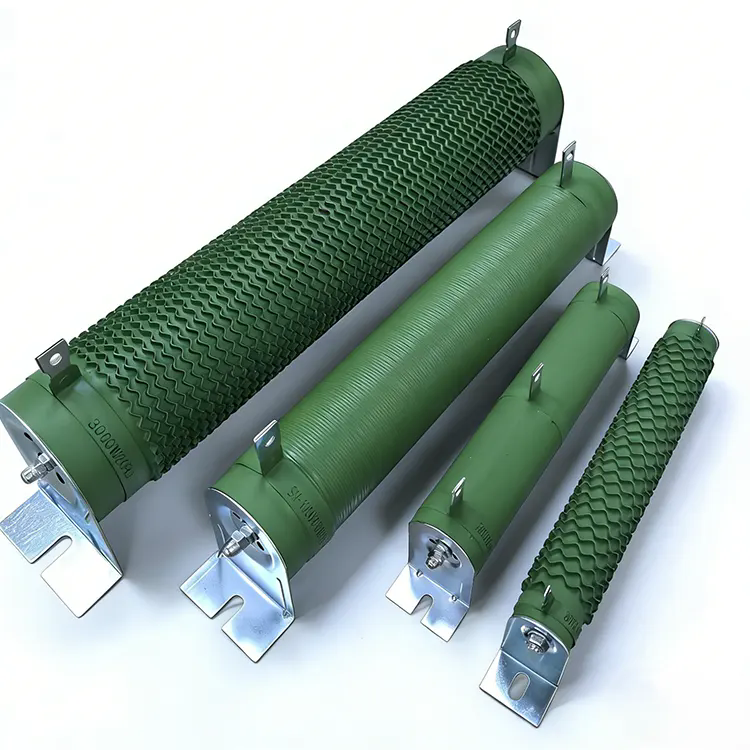
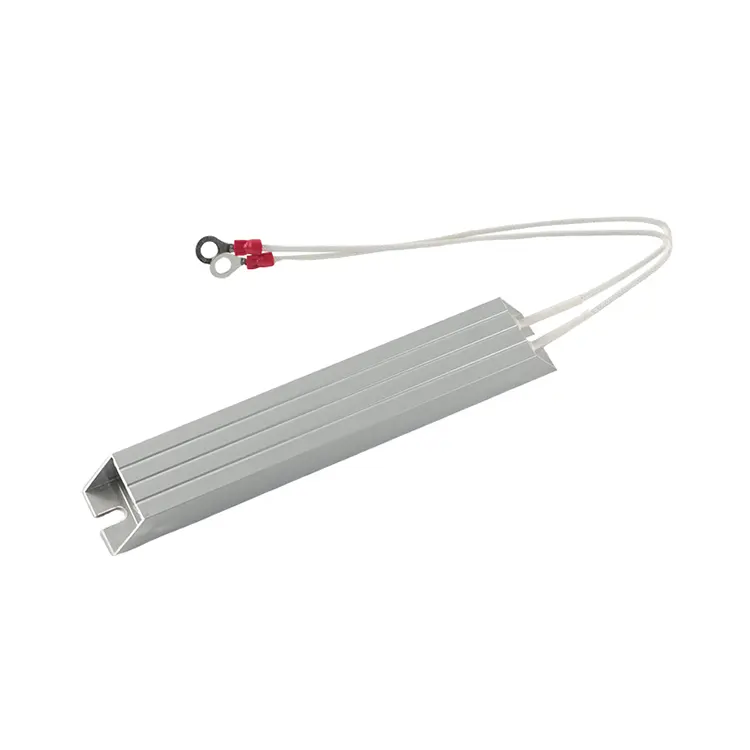
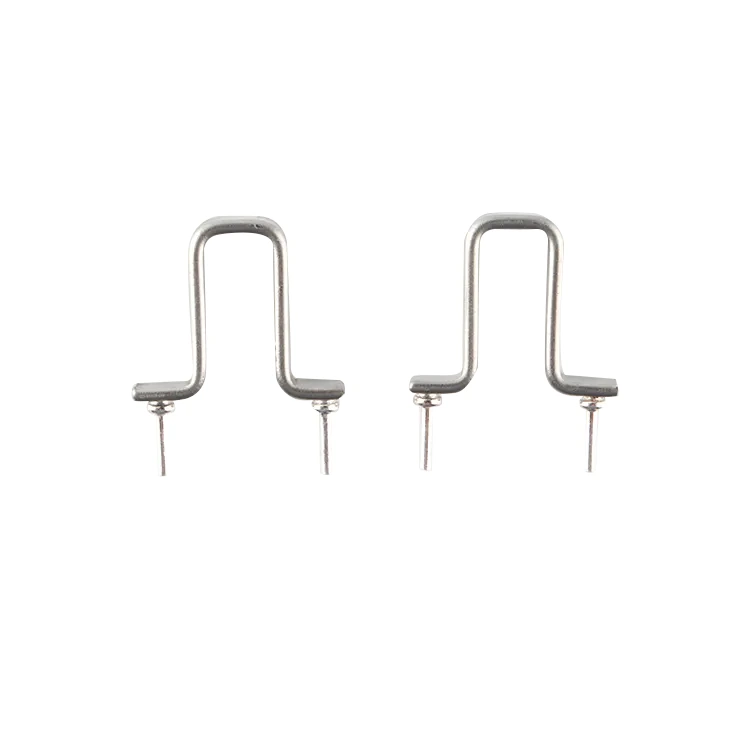
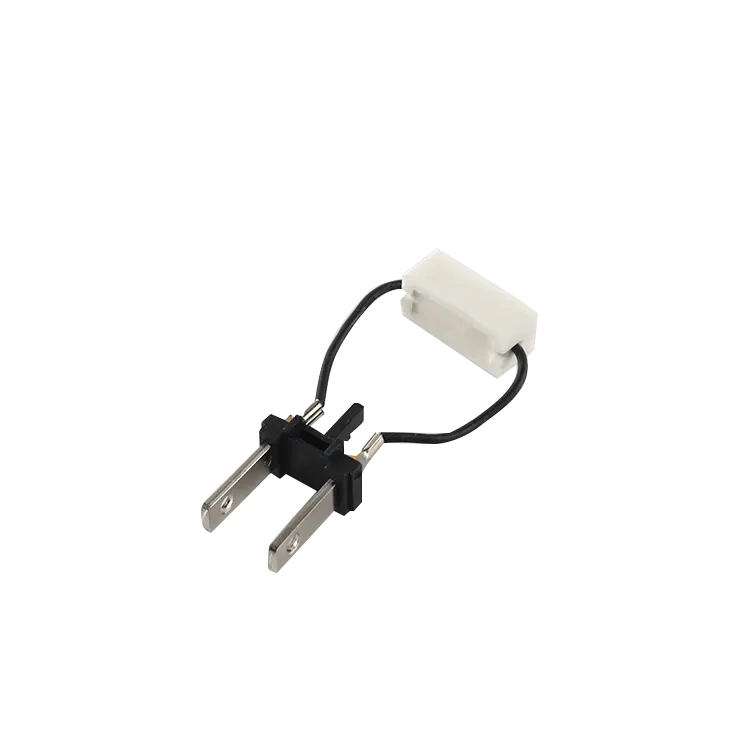
Tubular wirewound resistors are precision resistive components used to control current and voltage in circuits that demand high power and thermal stability. Unlike film or carbon resistors, tubular wirewound resistors can handle higher wattages and are less prone to heat-related failures, making them ideal for industrial and power electronics.
At RST, our tubular wirewound resistors are engineered to provide long-lasting reliability, with tight tolerance levels and robust mechanical design.
The tubular wirewound resistor consists of a resistive wire wound around a cylindrical ceramic core. The winding is carefully designed to ensure uniform resistance and optimal heat dissipation. The resistor is then coated with a protective insulating layer, which enhances durability and prevents short circuits.
| Component | Description |
|---|---|
| Ceramic Core | Provides structural support and excellent thermal conductivity. |
| Resistive Wire | Made from alloys such as nickel-chromium for stable resistance. |
| Insulating Coating | Protects against moisture, mechanical damage, and electrical shorts. |
Tubular wirewound resistors operate on the principle of Ohm's Law, where the resistive wire converts electrical energy into heat. The cylindrical shape allows the resistor to handle higher power ratings without overheating. Heat is dissipated through the ceramic core and external coatings, ensuring the resistor maintains stable performance even under extreme conditions.
Compared to other resistor types, tubular wirewound resistors provide several benefits:
These resistors are widely used in industrial and high-power electronics:
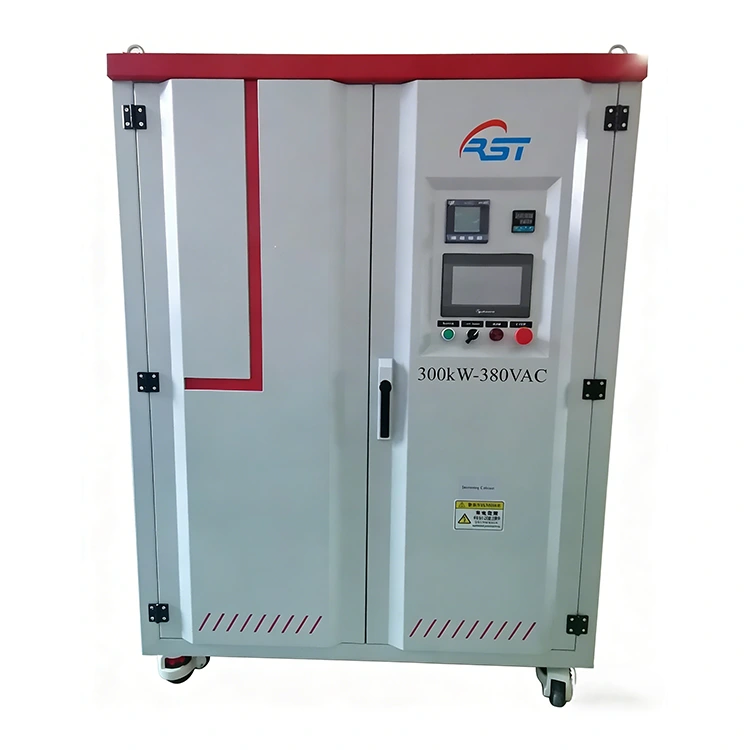
RST supplies tubular wirewound resistors suitable for each of these applications, ensuring reliable performance under challenging conditions.
When selecting a tubular wirewound resistor, consider the following factors:
| Factor | Recommendation |
|---|---|
| Power Rating | Select based on the maximum circuit load. |
| Resistance Value | Ensure compatibility with voltage and current requirements. |
| Tolerance | Choose a resistor with the required precision. |
| Temperature Coefficient | Important for environments with large temperature fluctuations. |
RST engineers can provide guidance on selecting the optimal resistor for specific applications, helping clients avoid overheating and failure.
Q1: What is the maximum power rating of tubular wirewound resistors?
A: Power ratings vary from 5W to several hundred watts depending on size and construction.
Q2: Can these resistors be used in outdoor applications?
A: Yes, with proper protective coatings, they can withstand harsh environments.
Q3: How long do tubular wirewound resistors last?
A: With proper usage, these resistors have a lifespan of 10+ years in most industrial applications.
For high-quality tubular wirewound resistors tailored to your application, visit RST Product Page or contact us today. Our team is ready to provide expert support and customized solutions to meet your power and precision needs.