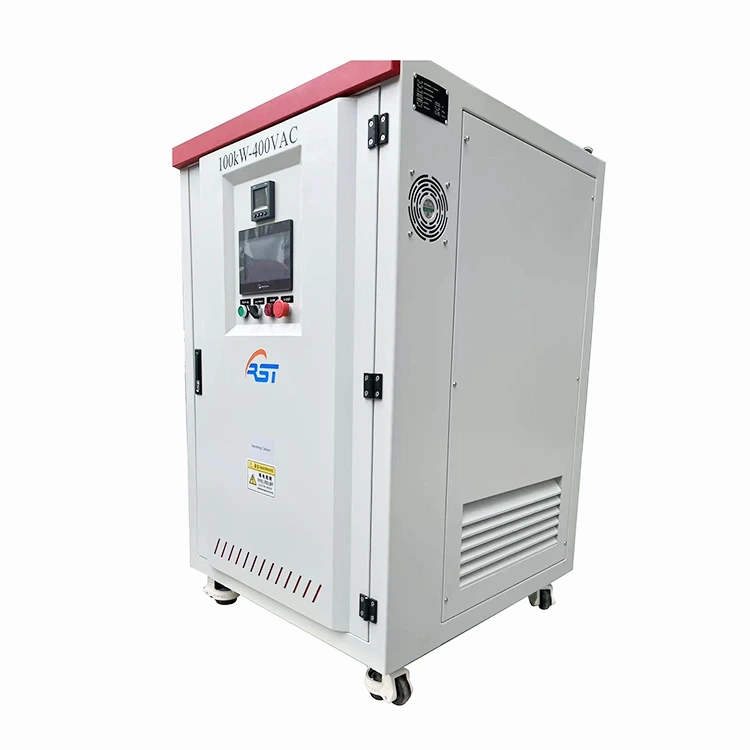
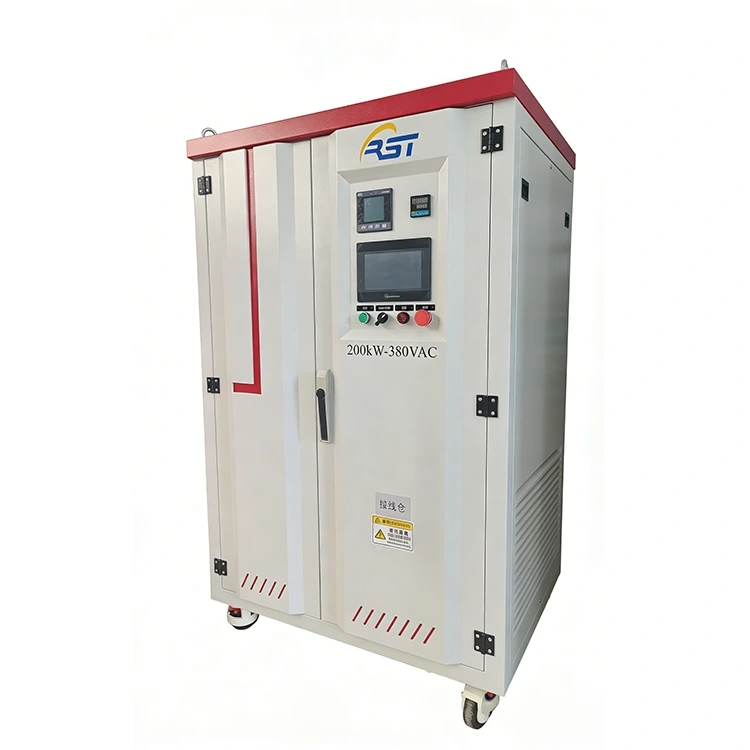
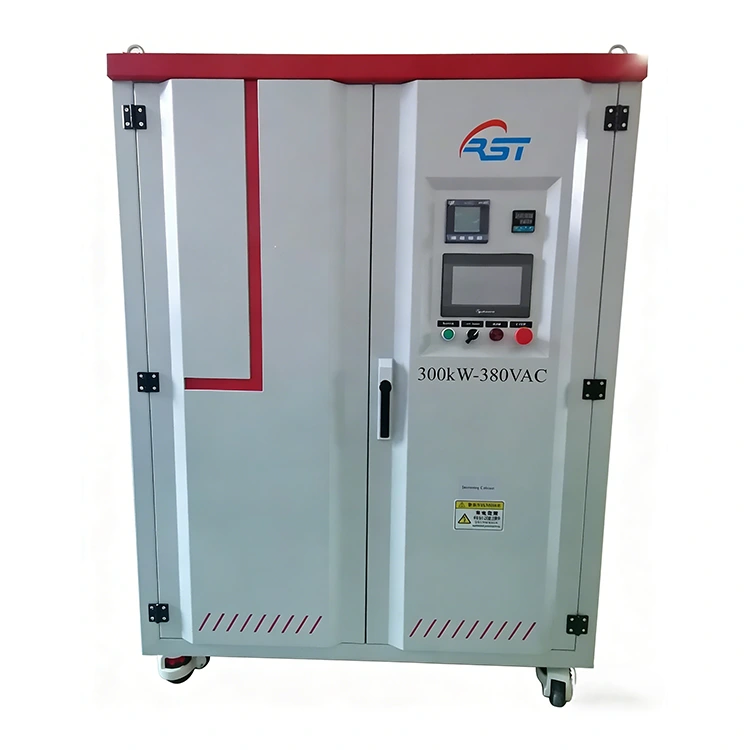
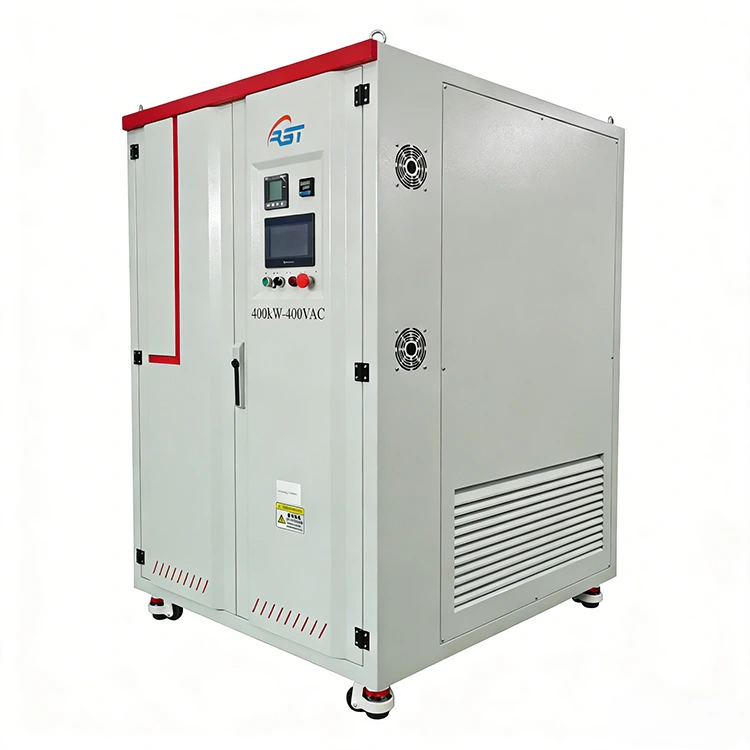
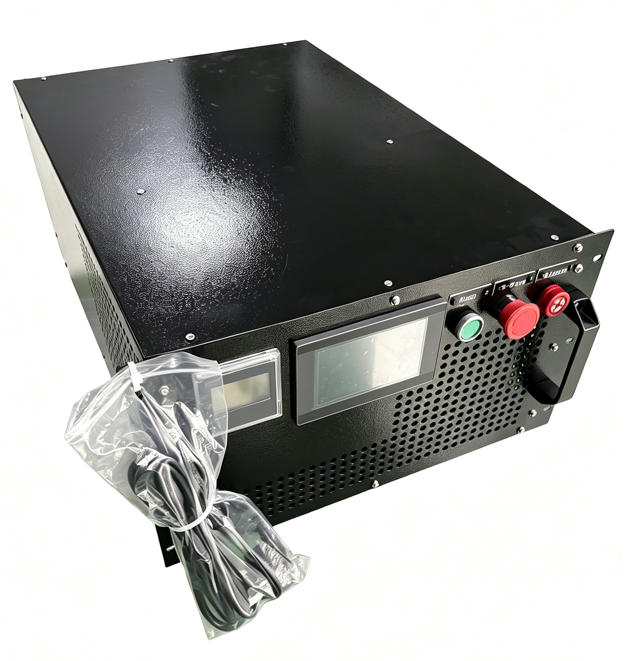
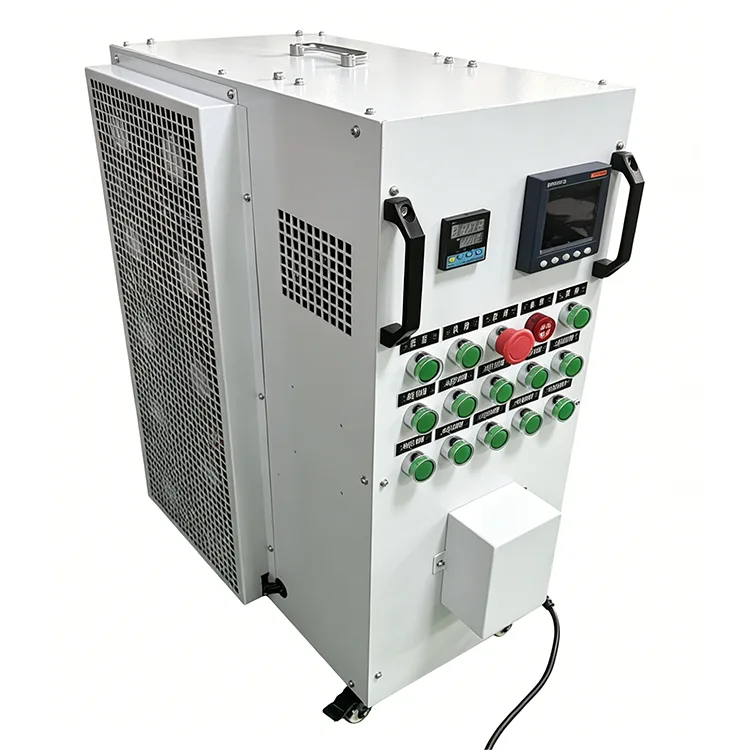
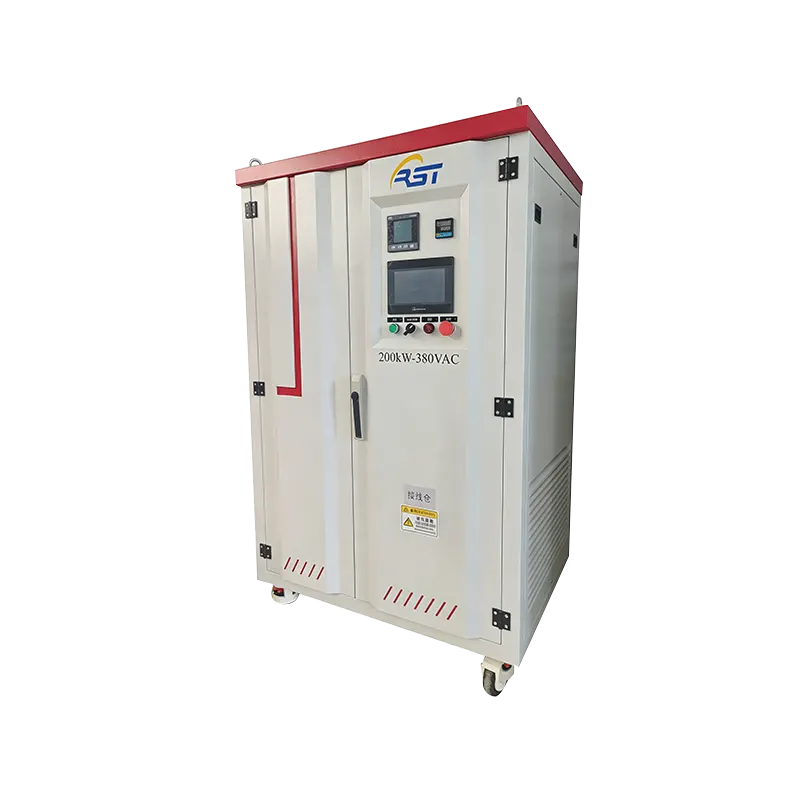
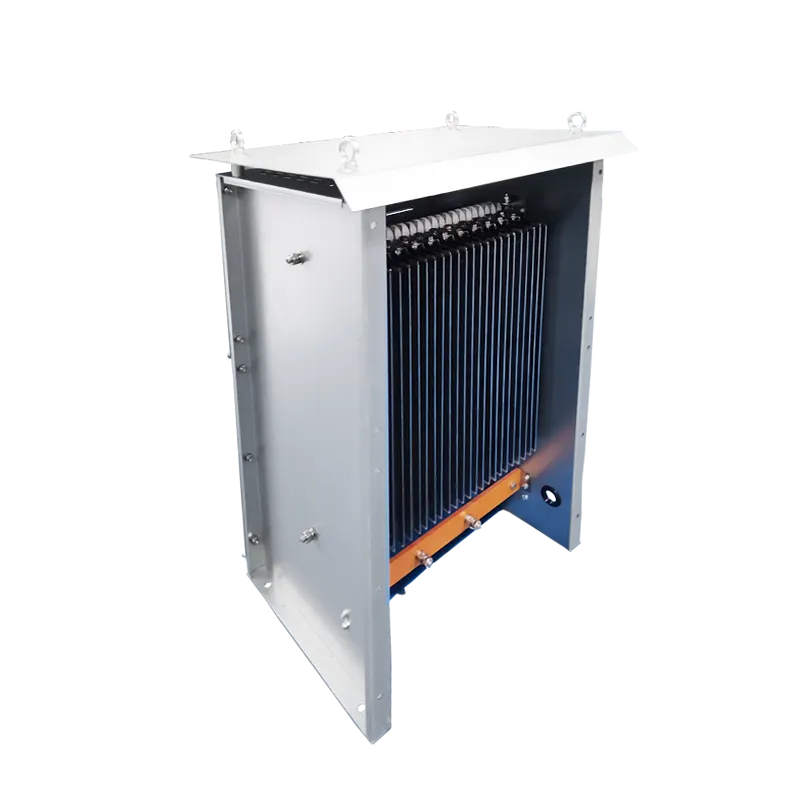
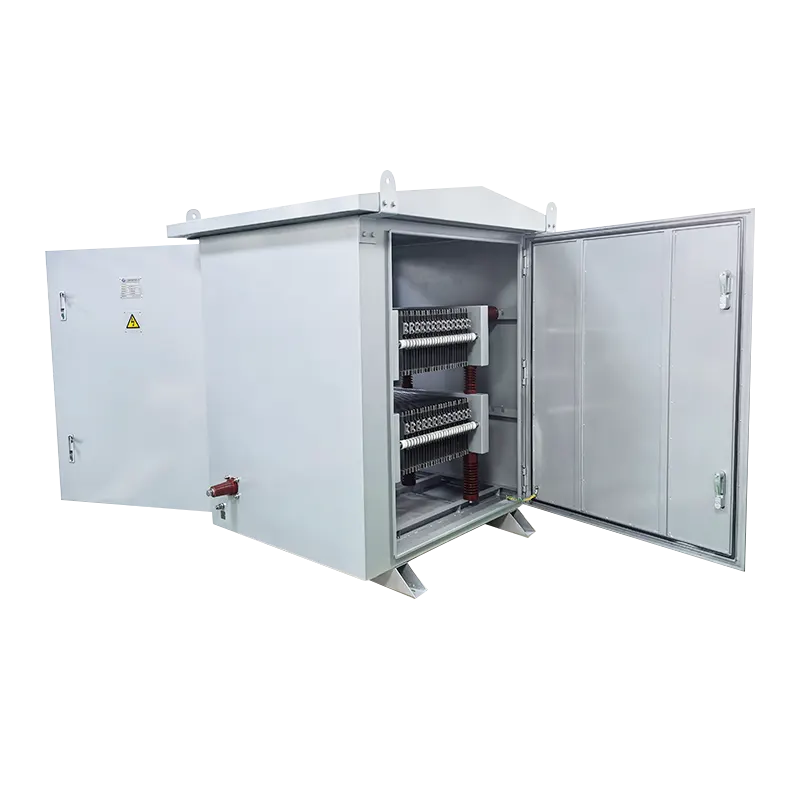
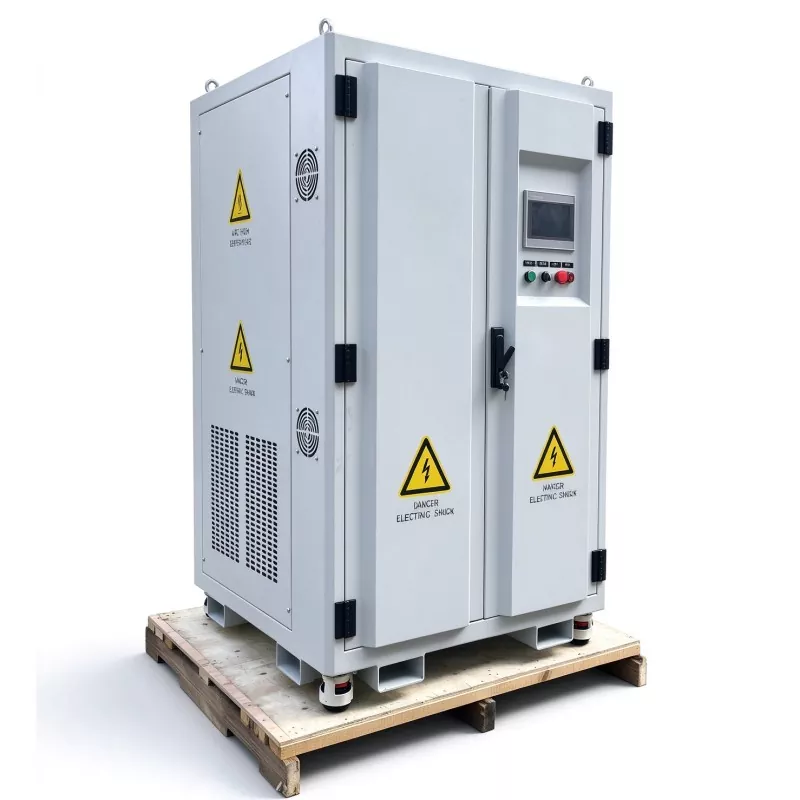
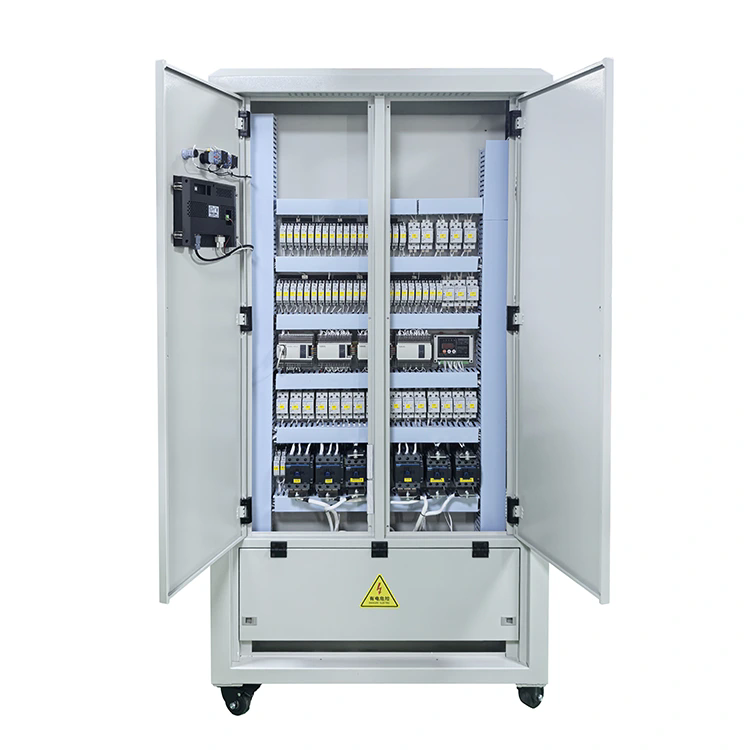
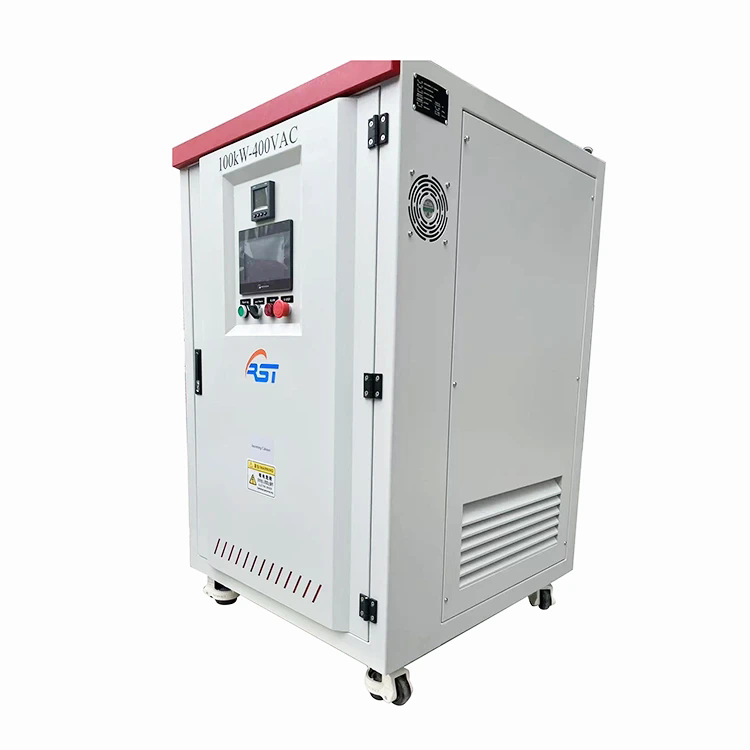
The Resistive Load Bank is a power testing device used to simulate pure resistive loads. Its core function is to evaluate the output characteristics and stability of AC or DC power sources (such as generators, UPS, inverters, transformers, voltage stabilizing power supplies, etc.) under rated load and overload conditions. It consists of multiple groups of resistive elements and is controlled by contactors or thyristors for step-by-step switching, enabling continuous or stepwise power adjustment. Since the voltage and current of a pure resistive load are in phase and the power factor is close to 1 (typically ≥ 0.99), the test results are not affected by reactive components and can directly reflect the active power output capacity, voltage regulation rate, frequency stability, waveform distortion, and overload protection action threshold of the power source.
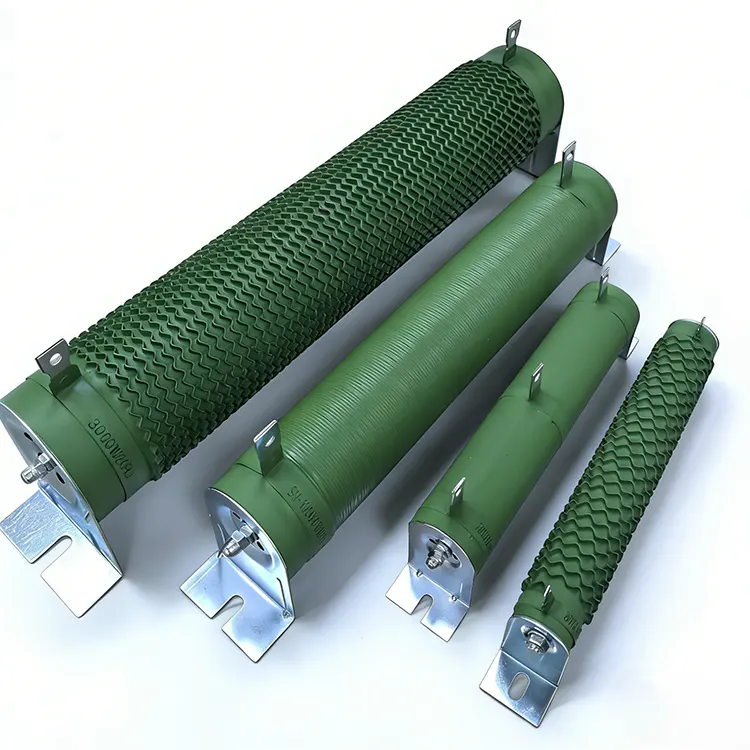
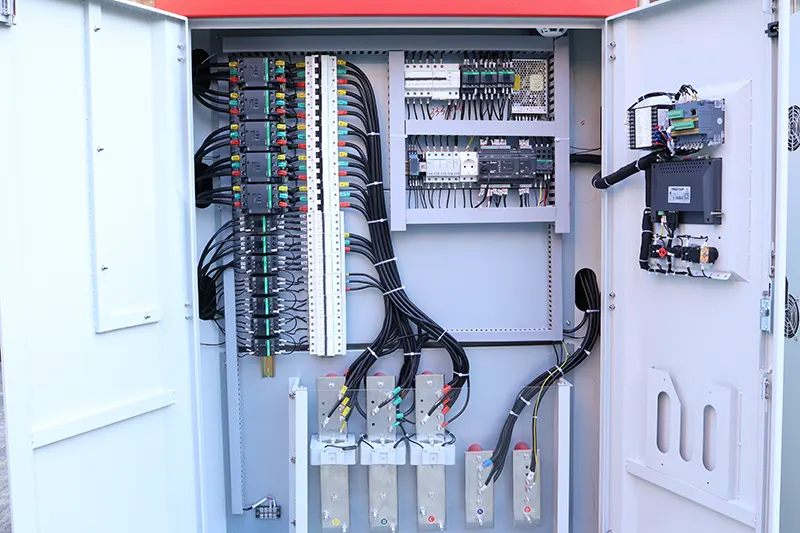
In the structural design, the Resistive Load Bank typically uses nickel-chromium alloy resistance wires or stainless steel corrugated resistors as the heating elements, combined with forced air cooling or natural cooling methods, and is equipped with a multi-channel data acquisition system, which can display real-time data such as voltage, current, active power, power factor, running time, and internal temperature.
High-end models also have remote control, automatic step loading, test report generation, and over-temperature, over-current, and short-circuit protection functions. The common power ratings range from several kilowatts to several megawatts, and the voltage range covers AC 110V to 35kV or DC 12V to 1500V.
Factory aging tests and on-site acceptance of generator sets, verification of the load-carrying capacity of backup power supplies in data centers, commissioning of shore power systems for ships, islanding protection tests for photovoltaic inverters, and inspection of DC output characteristics of charging piles, etc.
Whether the maximum load power covers the rated power of the tested equipment and leaves a margin (recommendation: more than 1.2 times), whether the voltage level is compatible, whether the control mode is manual or touchscreen automatic, whether it has harmonic analysis or sudden load/unload functions, and whether the protection level (IP level) is suitable for the on-site environment (such as outdoor, it needs to be IP54 or above).
The Resistive Load Bank, due to its simple and reliable characteristics, is often used as a basic testing device. It can also be combined with inductors and capacitors to form a composite load cabinet, which is used for more complex working condition simulations. In addition, RST Electric also offers a variety of Load Banks in different specifications. Please feel free to come and inquire about or purchase them!