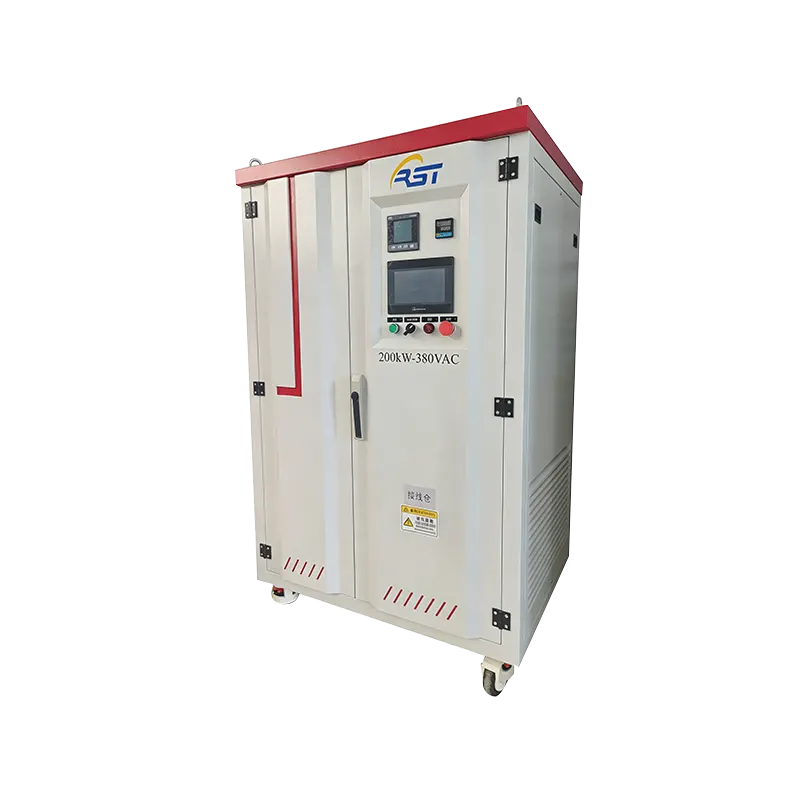
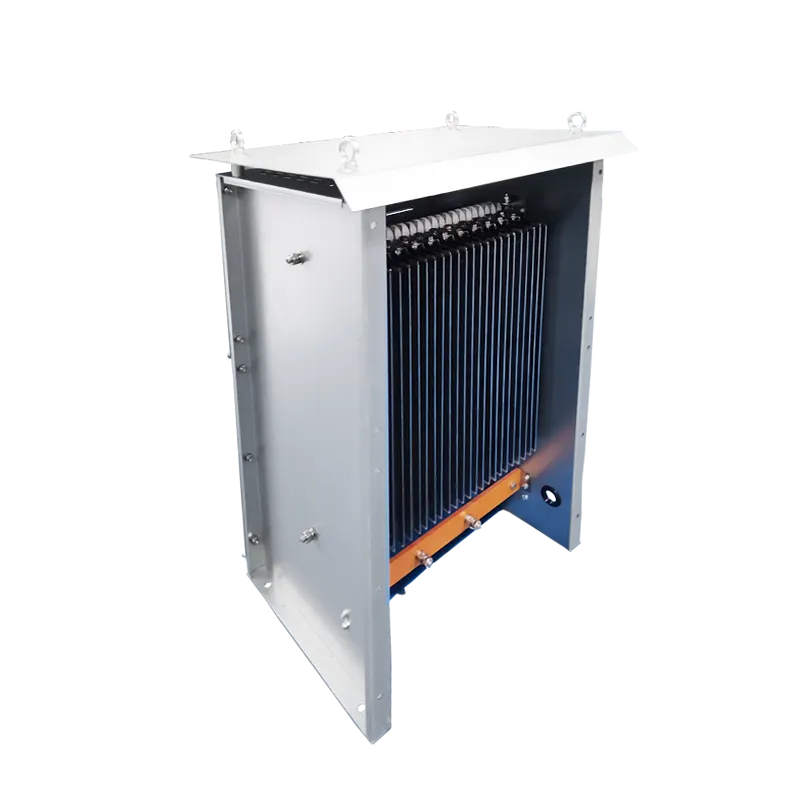
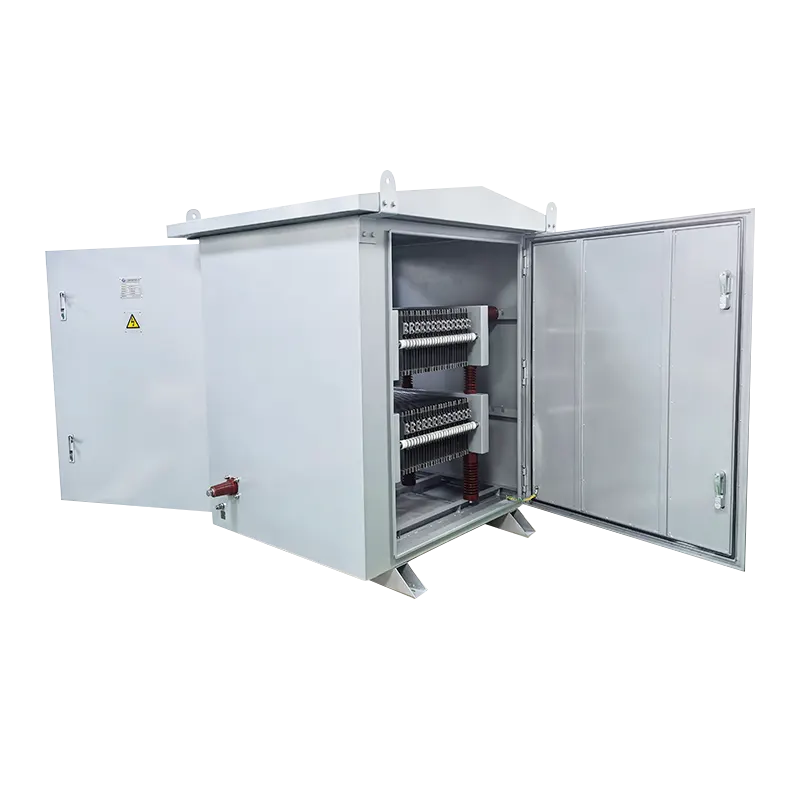
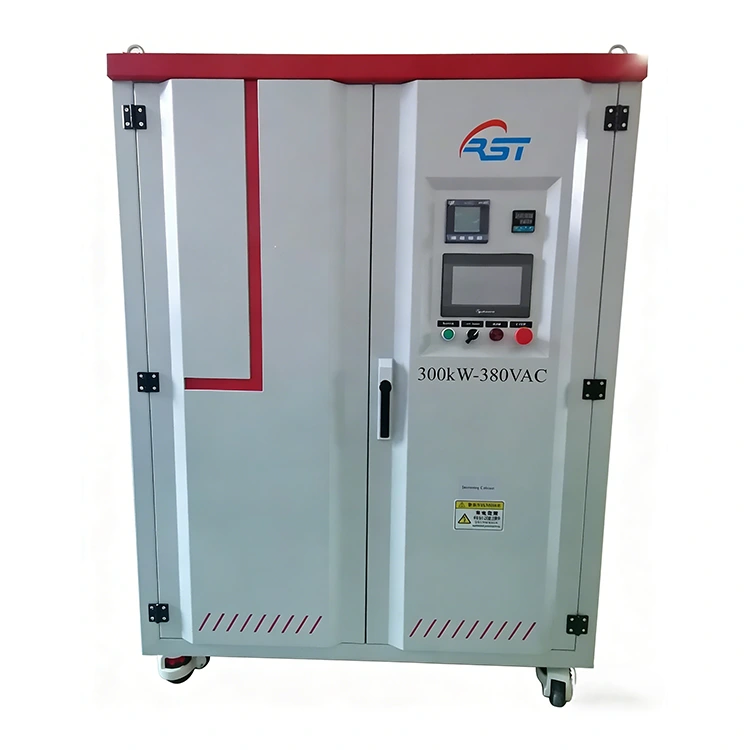
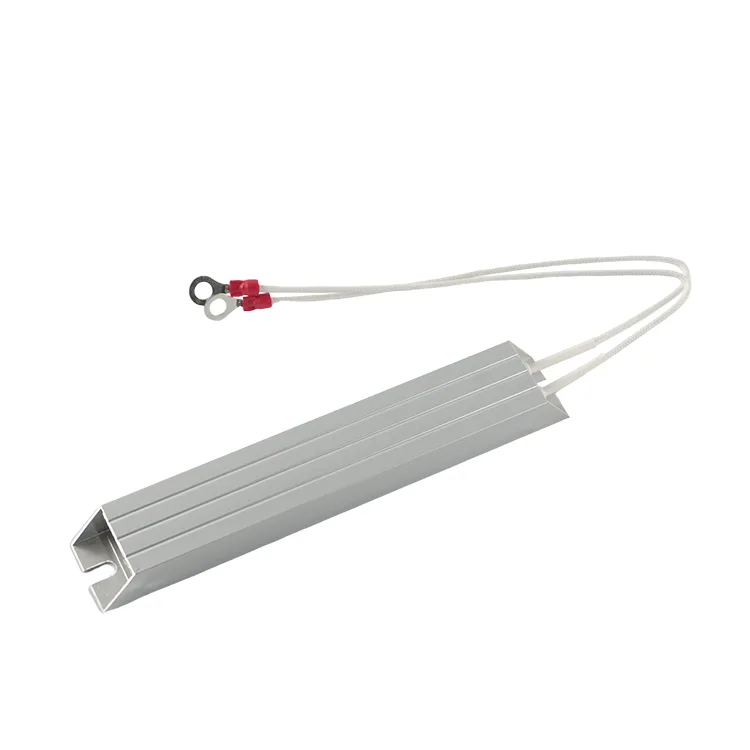
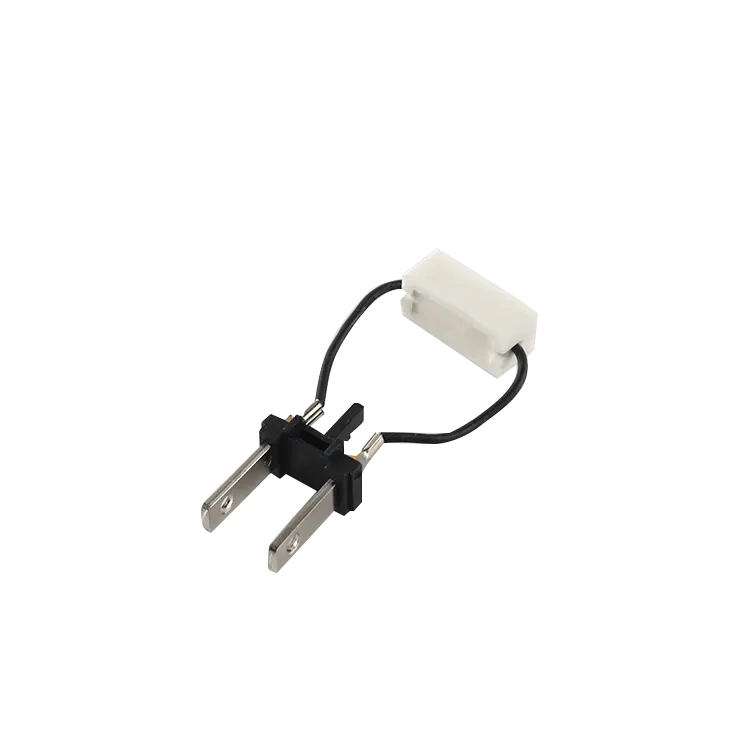
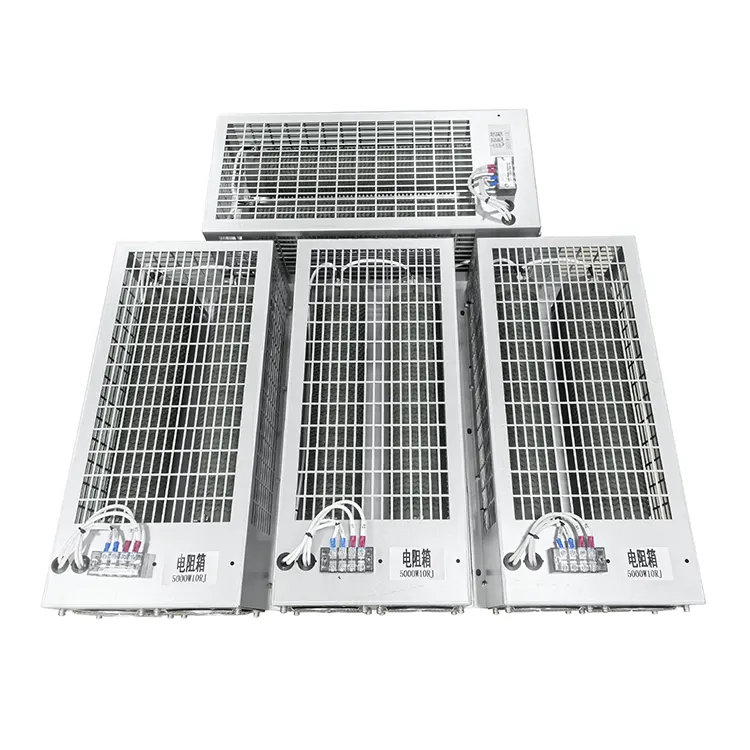
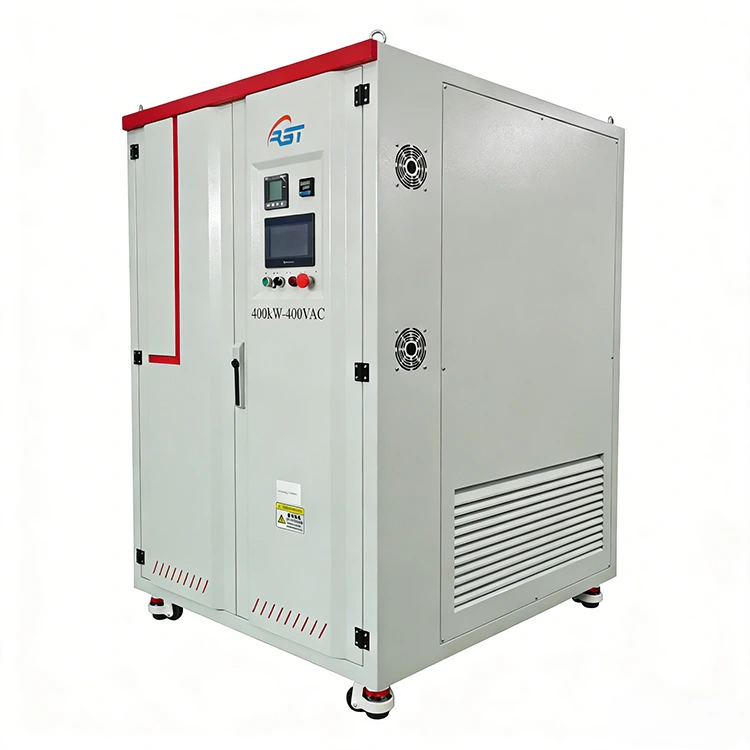
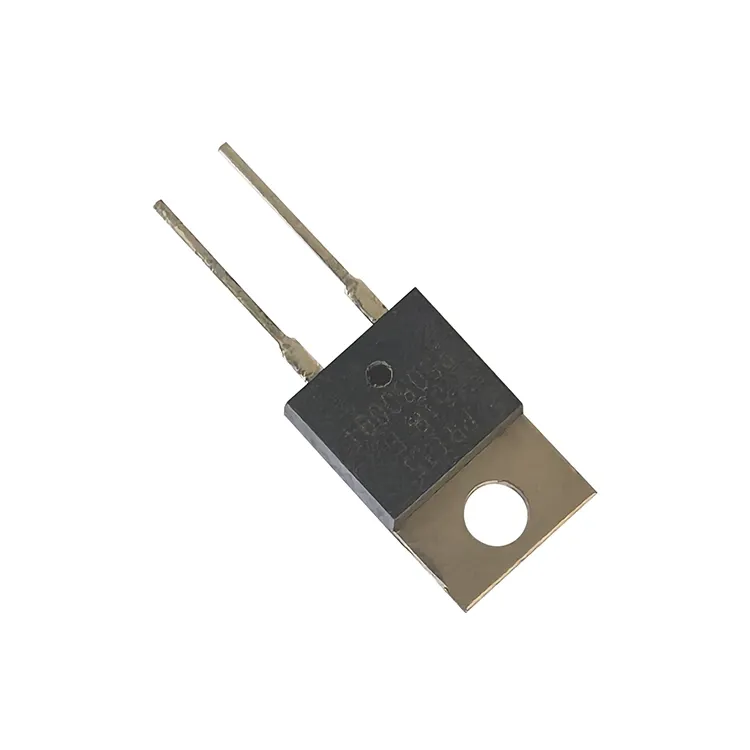
Responding to the increasing power density demands in railway traction, renewable energy inverters, and industrial drives, Ruisite has introduced a new line of high-voltage Ceramic Resistors. These components are engineered to absorb transient energy spikes and provide dynamic braking solutions where reliability is mission-critical.
Unlike wirewound alternatives, the new ceramic composite resistors utilize a proprietary tubular or block design that offers extreme thermal shock resistance and non-inductive characteristics. They are capable of operating at temperatures exceeding 350°C without performance degradation, making them ideal for harsh operating environments in electric vehicles (EVs) and wind turbine pitch control systems.
"With the rapid electrification of transport and the expansion of renewable energy grids, the demand for resistors that can handle frequent, high-energy pulses has skyrocketed," said [Name], [Title] at Ruisite. "Our ceramic resistors are designed to handle those repeated overload cycles with minimal resistance drift, ensuring the longevity of the braking systems and power electronics they protect."
The new series supports a wide range of resistance values and mounting configurations, offering engineers the flexibility to design compact, high-power circuits without compromising on thermal management or safety.
We use cookies to offer you a better browsing experience, analyze site traffic and personalize content. By using this site, you agree to our use of cookies. Privacy Policy