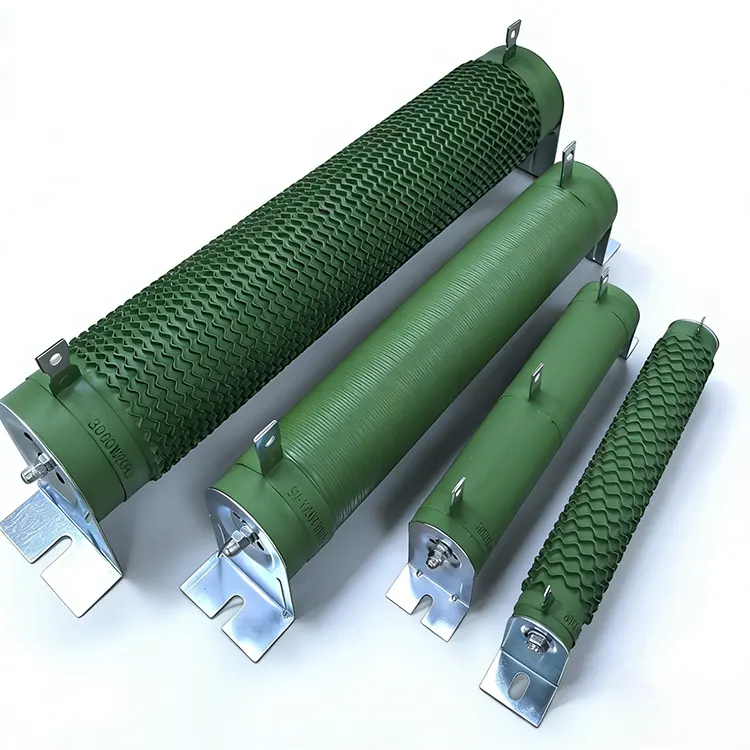
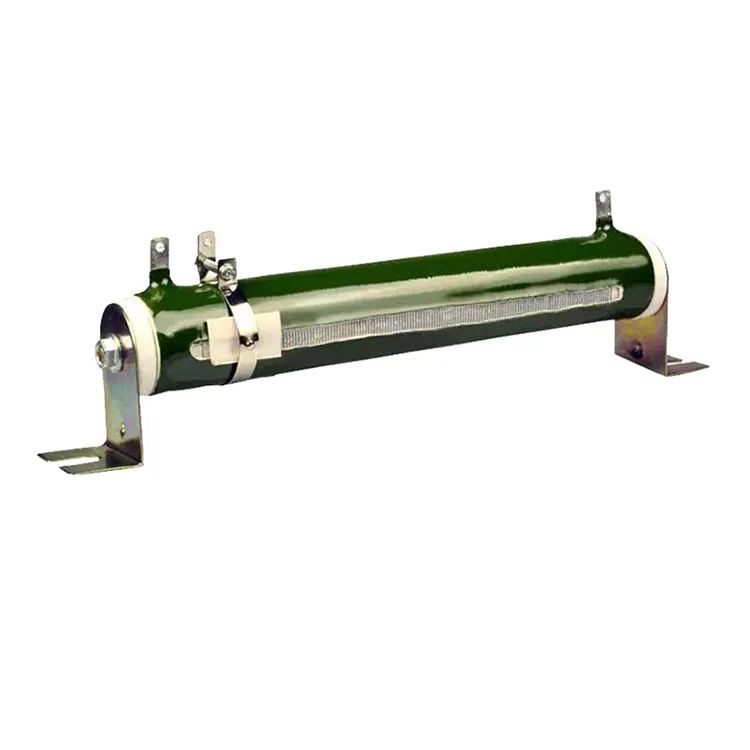
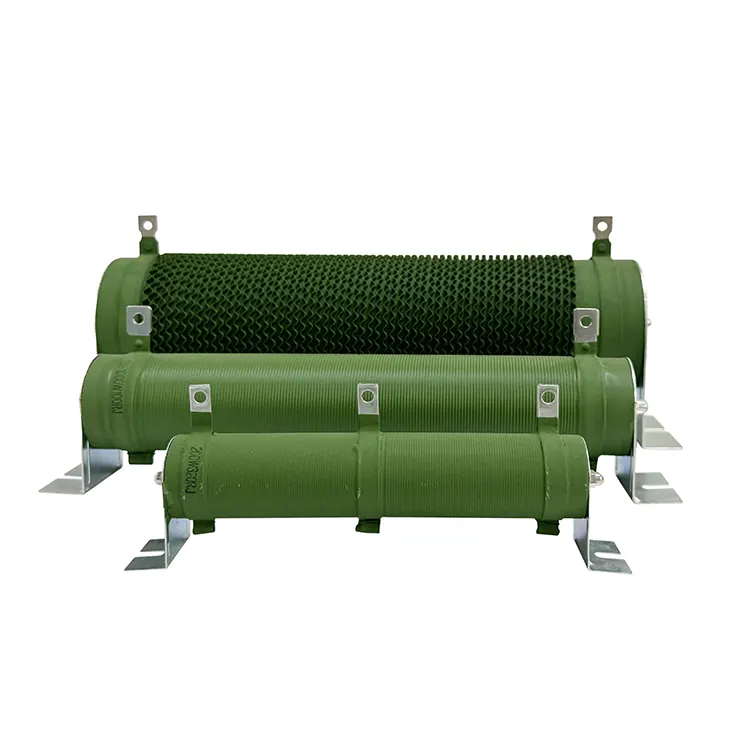
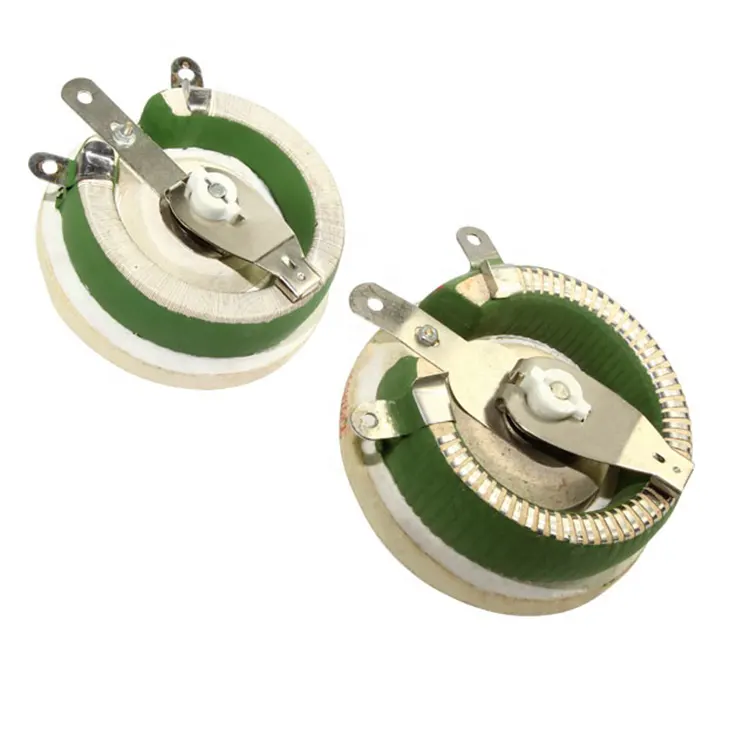
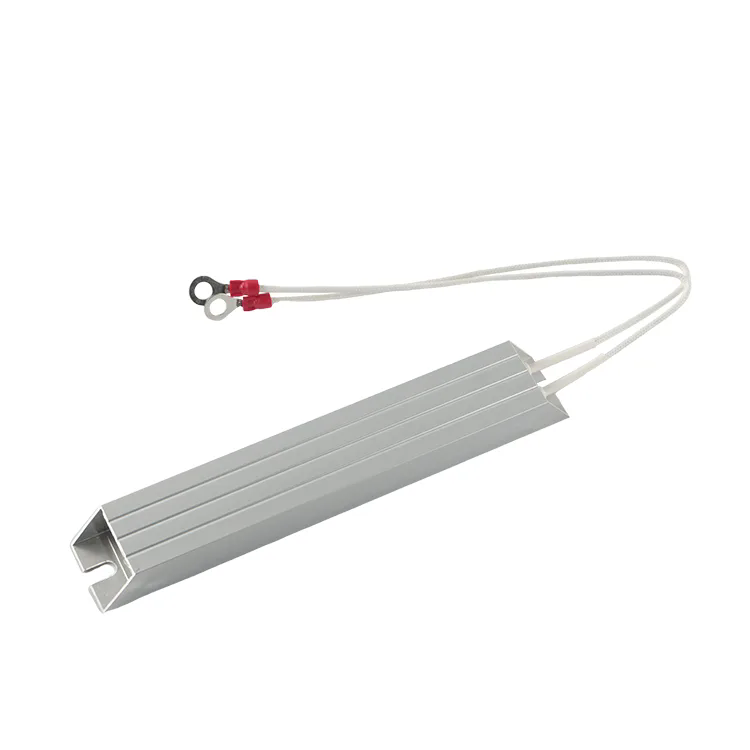
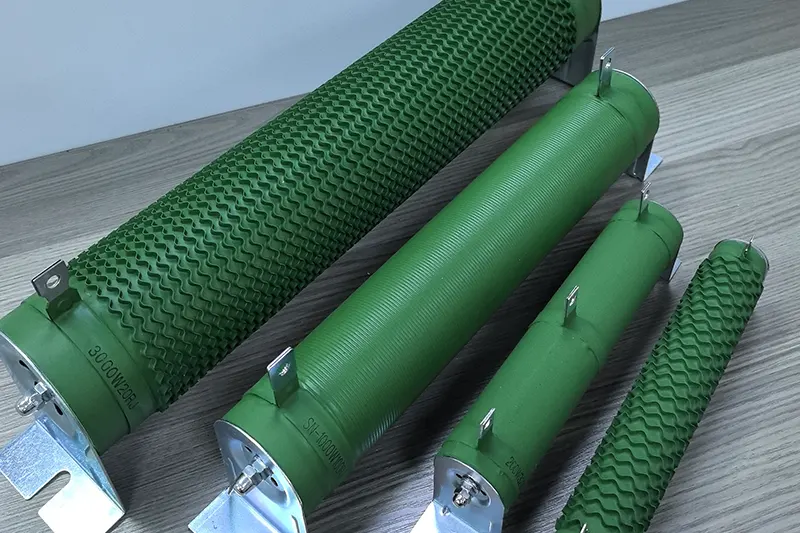
Tubular Wirewound Resistor is a traditional but still widely used high-power resistor component. Its structure involves uniformly winding alloy resistance wires (such as copper-nickel, copper-manganese, or nickel-chromium alloy) on a high-purity ceramic tube (alumina or talc porcelain), with the two ends led out through metal caps or screw terminals. The surface is coated with a layer of high-temperature-resistant insulating and flame-retardant paint (organic silicon resin or epoxy resin). This design gives the resistor extremely high heat resistance, mechanical strength, and long-term stability. The ceramic tube not only serves as the framework but also helps with heat dissipation, as ceramic materials have better thermal conductivity than ordinary plastics and can withstand temperatures up to 300-500°C without softening.
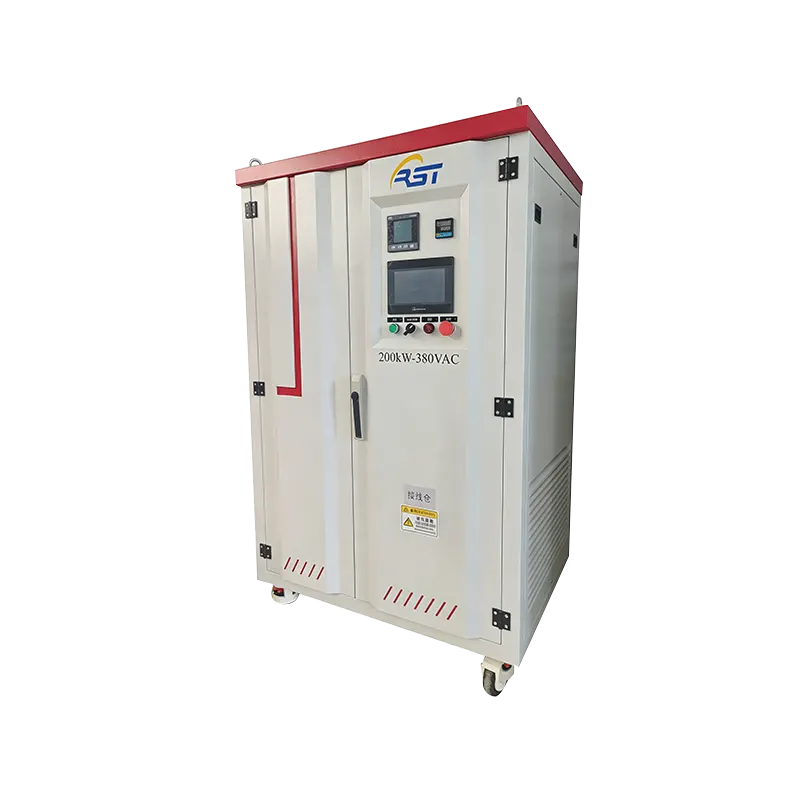
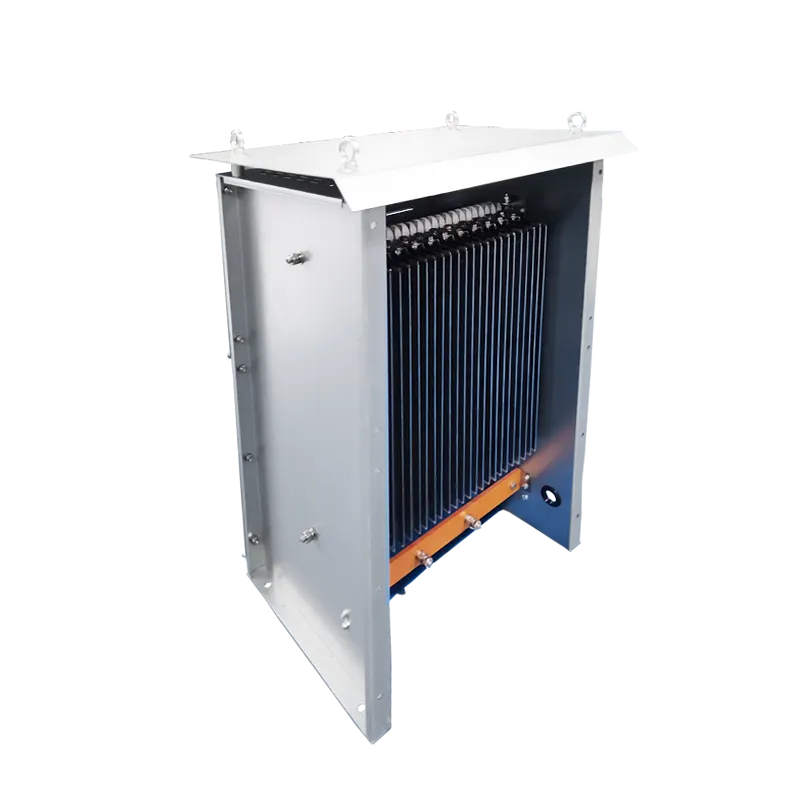
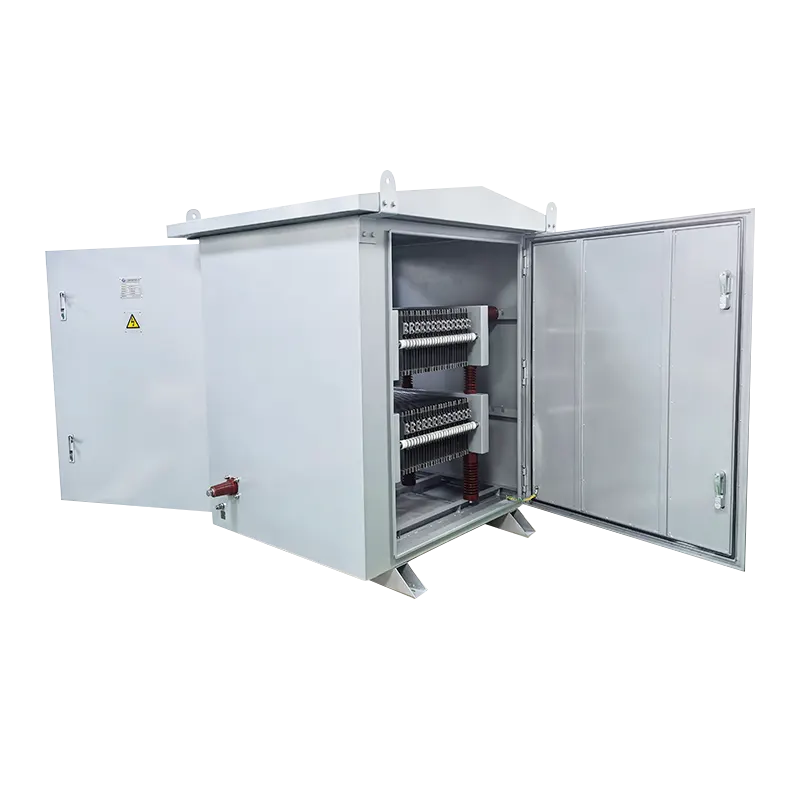
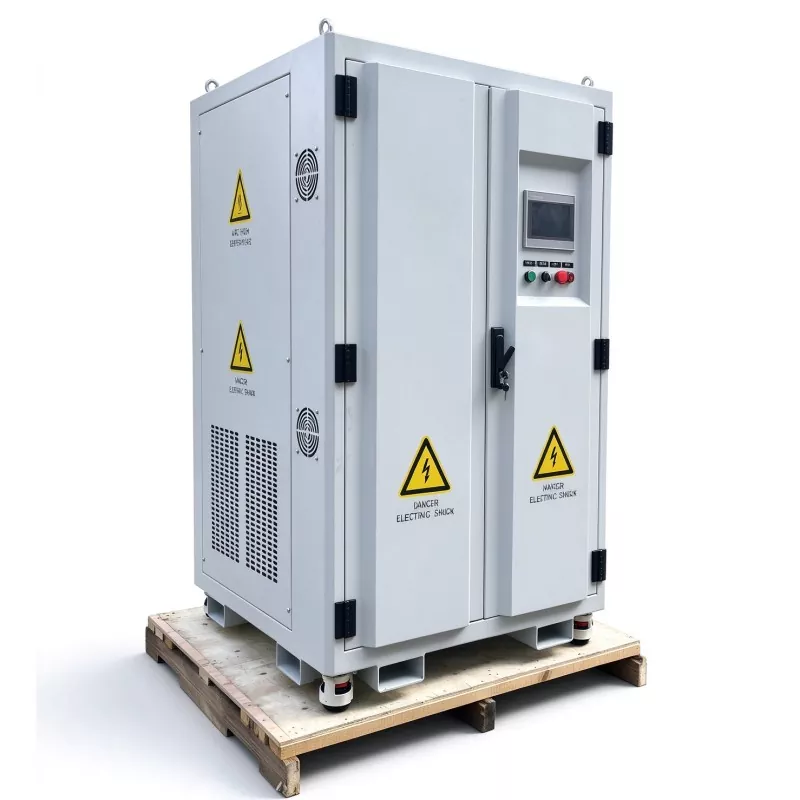
RST Electric offers various types of Braking Resistors. Please come and consult for purchase!
The power range extends from a few watts to several kilowatts (typically 20 W to 15 kW), while resistance values span from 0.1 Ω to several hundred kΩ. Accuracy is typically ±5% or ±10%, though high-precision grades of ±1% are also available. Due to their wound construction, these resistors exhibit relatively high inductance and are therefore unsuitable for high-frequency circuits; however, they are ideally suited for power supply, braking, pre-charging, discharge, and buffering applications operating at power line frequencies or low frequencies (<1 kHz). The primary advantage of tubular wirewound resistors is their robust overload capability; they can withstand short-duration power surges of up to 10 times their rated power without sustaining damage. Furthermore, their resistance value exhibits minimal variation with temperature (with a typical temperature coefficient of ±50 to ±300 ppm/°C). The surface coating must meet the UL94 V-0 flame retardancy standard and remain free from cracking or peeling even under high-temperature conditions.
Input surge limit for switching power supply (alternative to NTC thermistor, but wire-wound resistor is more shock-resistant), pre-charging circuit for DC bus of frequency converter, discharge resistor for high-voltage capacitor, shunt resistor for welding machine, output power resistor (dummy load) for audio power amplifier, braking resistor for elevator, etc. In industrial control cabinets, Tubular Wirewound Resistor is often used as a heating element in dehumidification heaters.
1) Power: Calculate I²R based on the steady-state current in the circuit and leave a margin of at least 50%;
2) Resistance: Determine according to Ohm's Law and the target voltage drop;
3) Voltage Rating: The creepage distance between the metal supports at both ends of the ceramic tube must meet safety standards (such as UL, CE requirements);
4) Installation Method: Can be installed horizontally or vertically, but ensure good ventilation around to avoid heat accumulation.