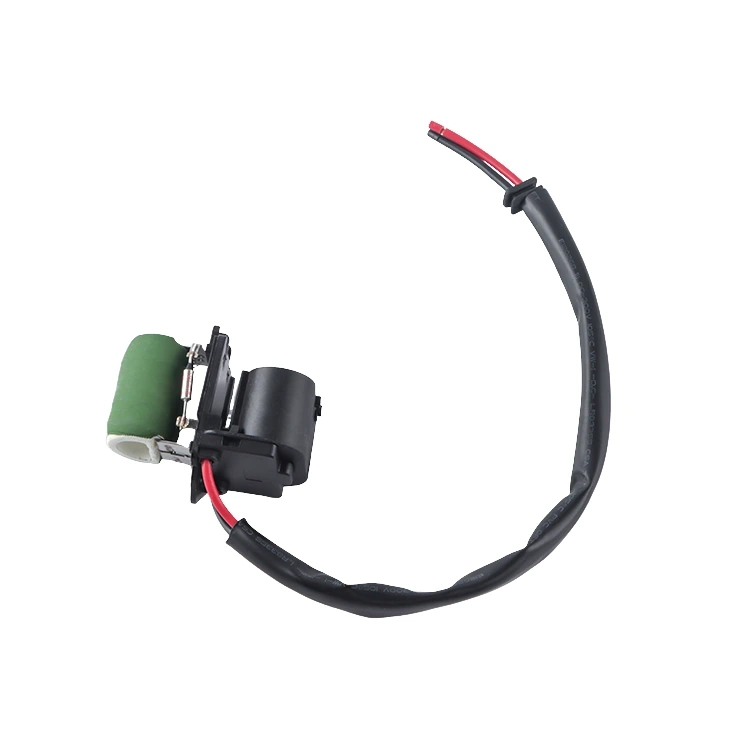
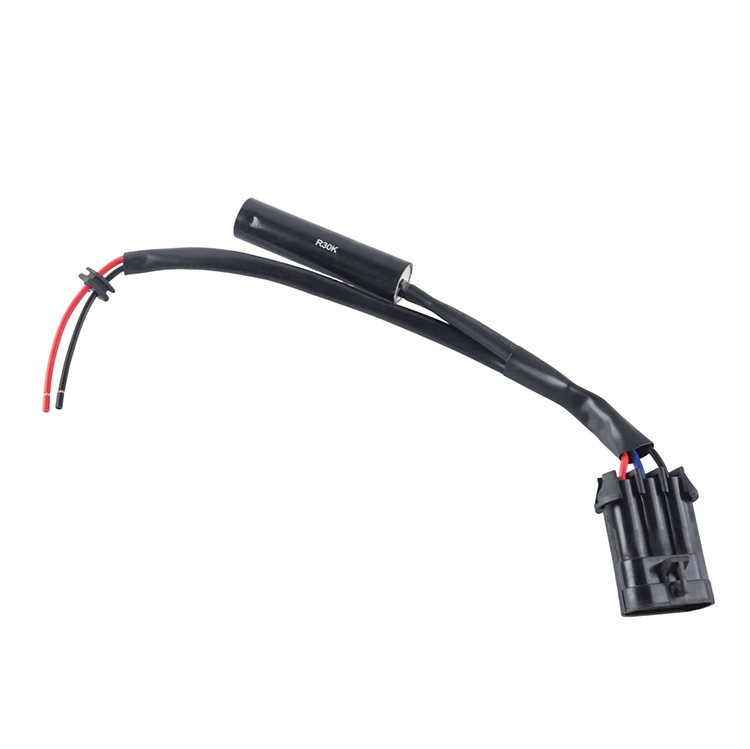
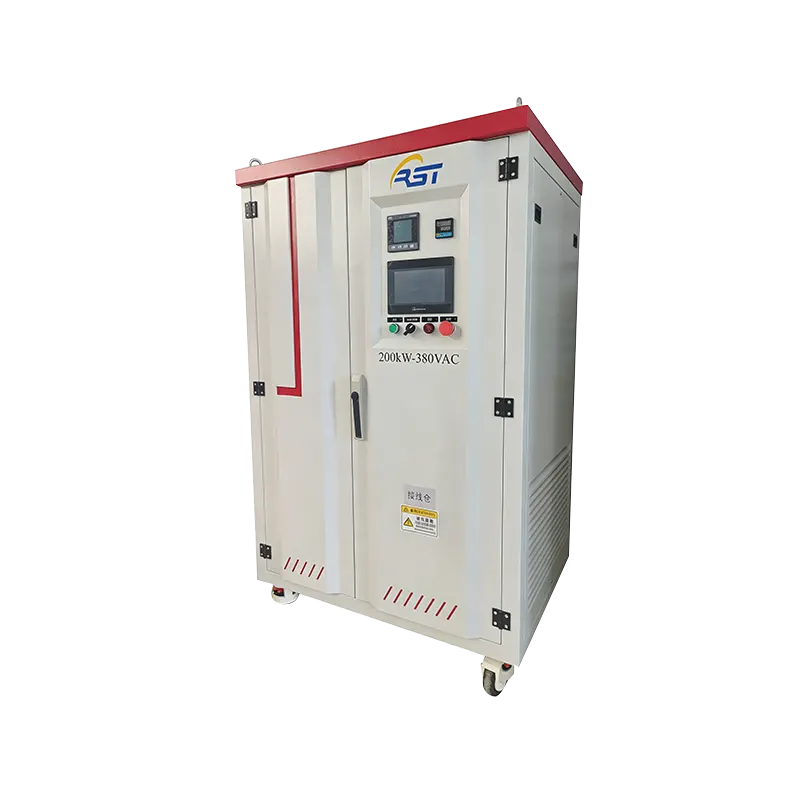
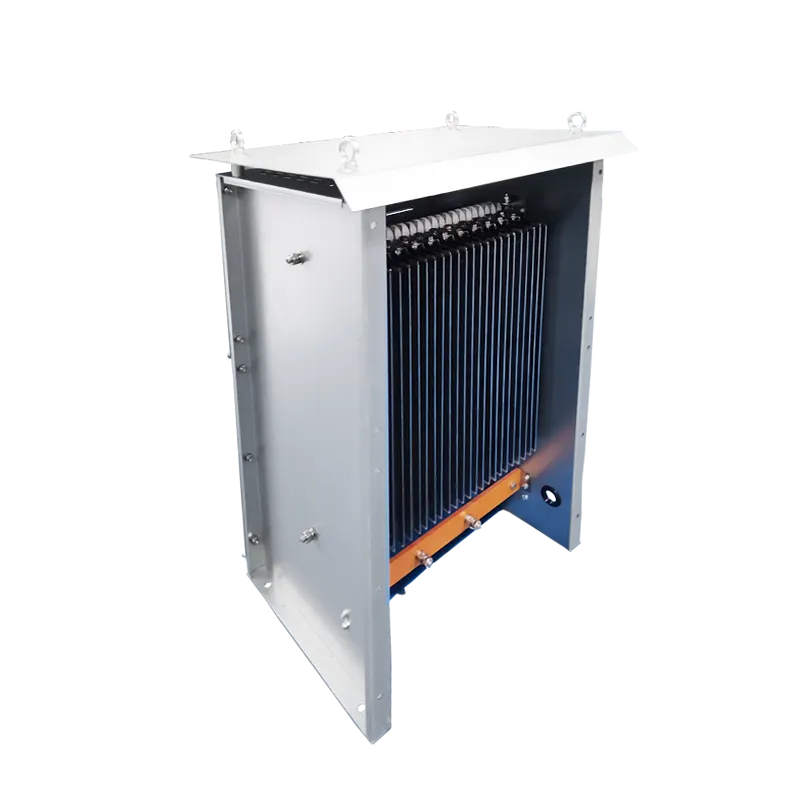
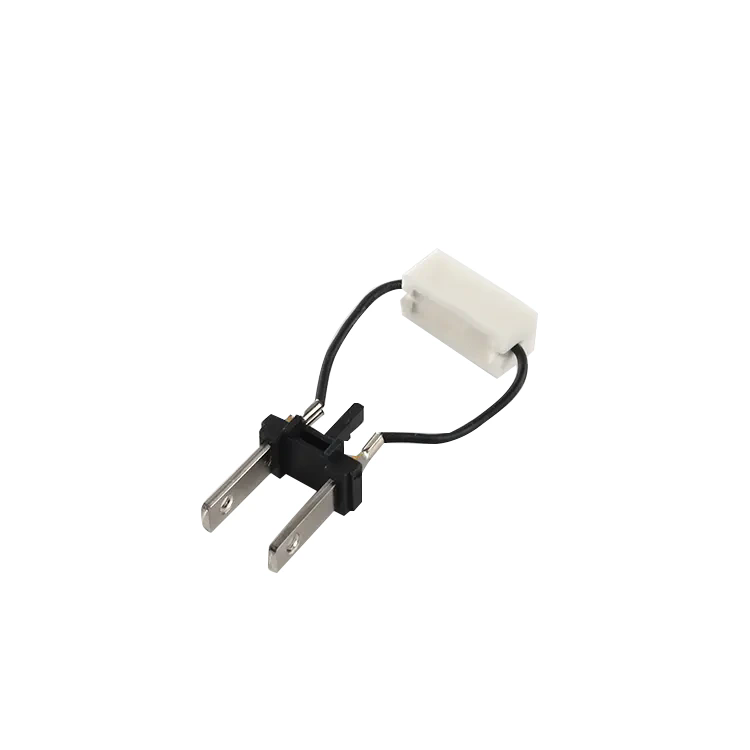
Blower Motor Resistors for Automotive HVAC Systems are resistive components used to regulate the rotational speed of the blower motors in devices such as automotive air conditioners, industrial heaters, and indoor units of household air conditioners. They usually adopt a multi-level series resistance method, by changing the total resistance value connected to the circuit to alter the voltage (for DC motors) or current (for AC motors) at the motor terminals, thereby achieving the adjustment of wind speed. The most common example is the blower speed regulating resistor in manual automotive air conditioners, which is typically installed in the air duct of the air conditioner and uses the wind flowing through the resistor for cooling. If you have any questions, please feel free to contact RST Electric.
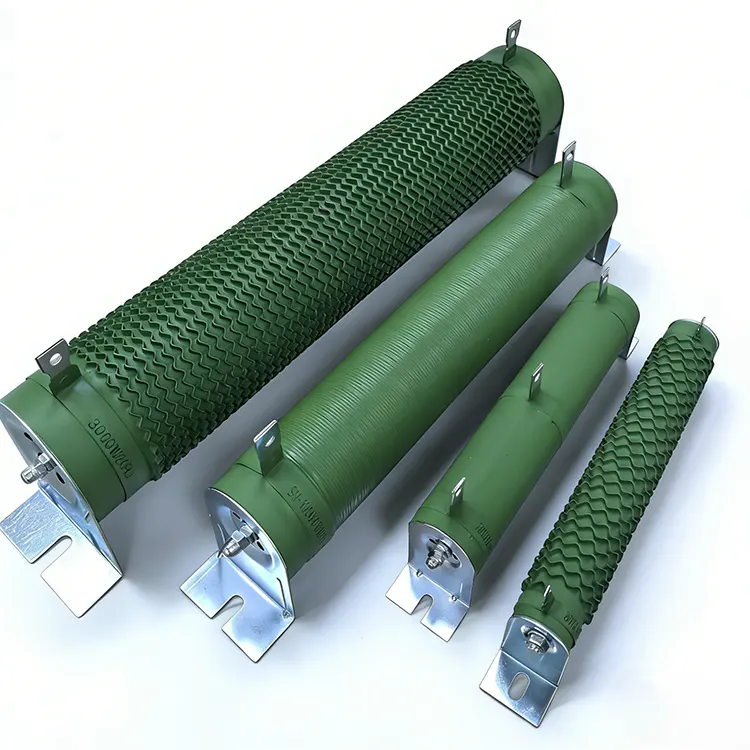
The speed control resistor contains a group of power resistors (usually wound resistors or thick-film resistors), and multiple positions are led out through taps. When the knob is set to "1st position", all the resistors are connected in series, resulting in the lowest voltage and the slowest speed; "2nd position" shorts some resistors, increasing the voltage; "3rd position" further shorts; "4th position" is usually direct connection (the resistors are short-circuited, and the full voltage is applied). For DC motors, the resistors are connected in series with the motor to divide the voltage; for AC capacitor motors, the resistors are connected in the main winding circuit. Since the resistors generate a large amount of heat during operation (based on P = I²R, the power can reach several watts), good heat dissipation is required. In automotive air conditioning systems, the resistors are designed to be inserted into plastic or metal brackets within the air duct and have heat sinks, so that even when the fan is turned off, the resistors will not overheat and burn out (but prolonged low-speed operation may still cause overheating, and some models are equipped with thermal fuses for protection).
For the majority of economy cars, the speed control of the blower still uses the "Blower Motor Resistors for Automotive HVAC Systems" method (higher-end models have already switched to PWM speed control modules, which are more energy-efficient). Similar structures are also common in industrial heaters, electric heaters, bathroom fans, etc.
Selection considerations: The resistance value must match the motor; if the resistance value is too high, the lower gears will not rotate; if it is too low, the higher gears will not be fast enough; the recommended power margin should be ≥ 2 times the actual heat generation power; the selection of the thermal fuse temperature (such as 150℃ for melting) should ensure that it does not malfunction accidentally during normal use; the protection level (dust and moisture protection).
In terms of maintenance, the speed control resistors of the blower are wear-prone components. The fault phenomena are usually that several gears fail (the resistance wire burns out) or all gears fail (the thermal fuse burns out).