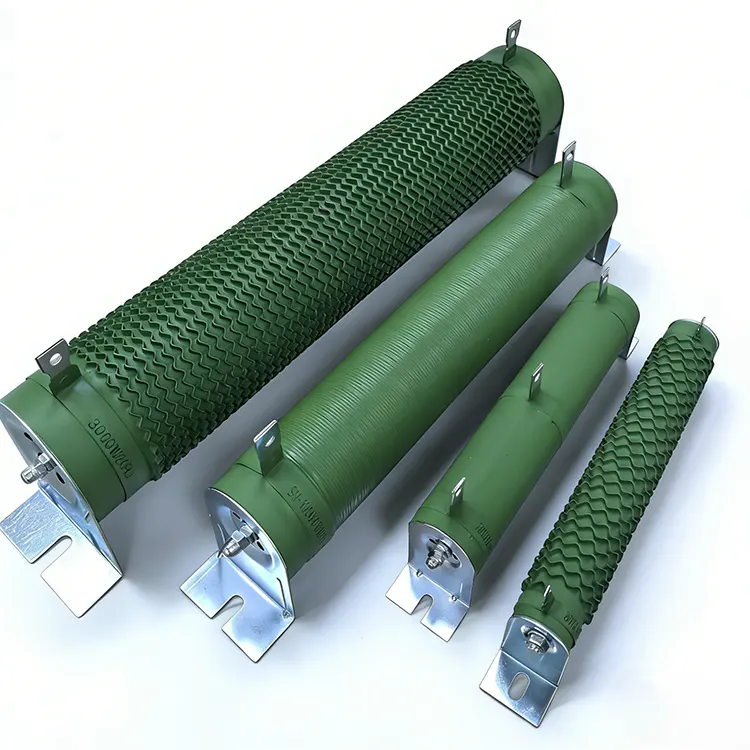
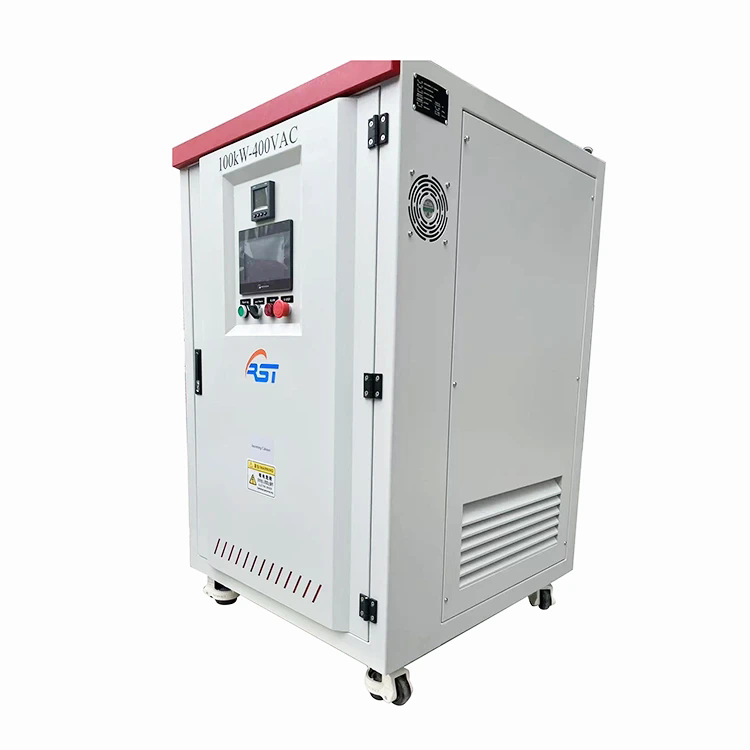
Abstract: Non-linear load banks are critical for testing and maintaining modern electrical systems that include non-linear and sensitive loads. These devices help engineers simulate real-world conditions, detect power quality issues, and ensure system reliability. In this article, we will explore the functionality, benefits, and applications of non-linear load banks, addressing common customer pain points and providing actionable insights for industrial and commercial users.
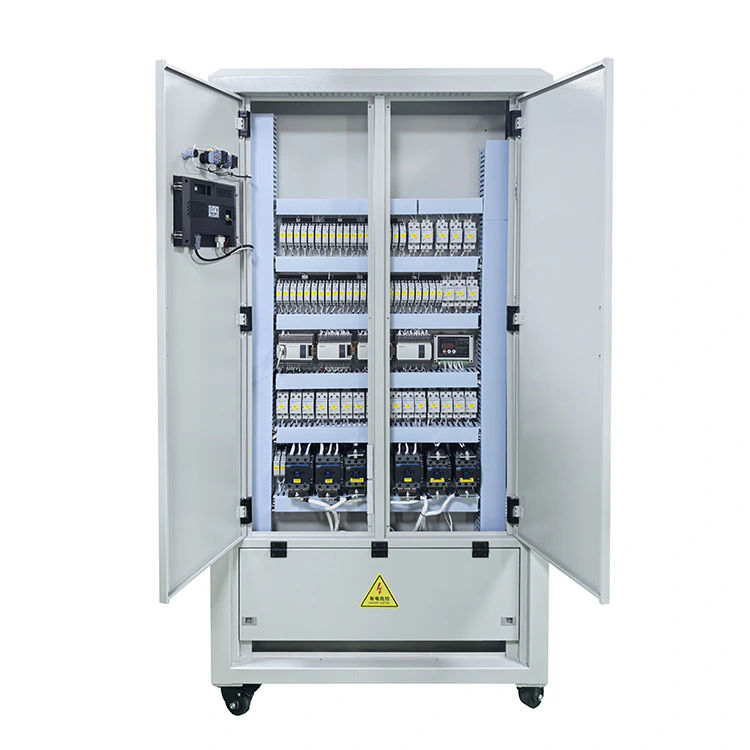
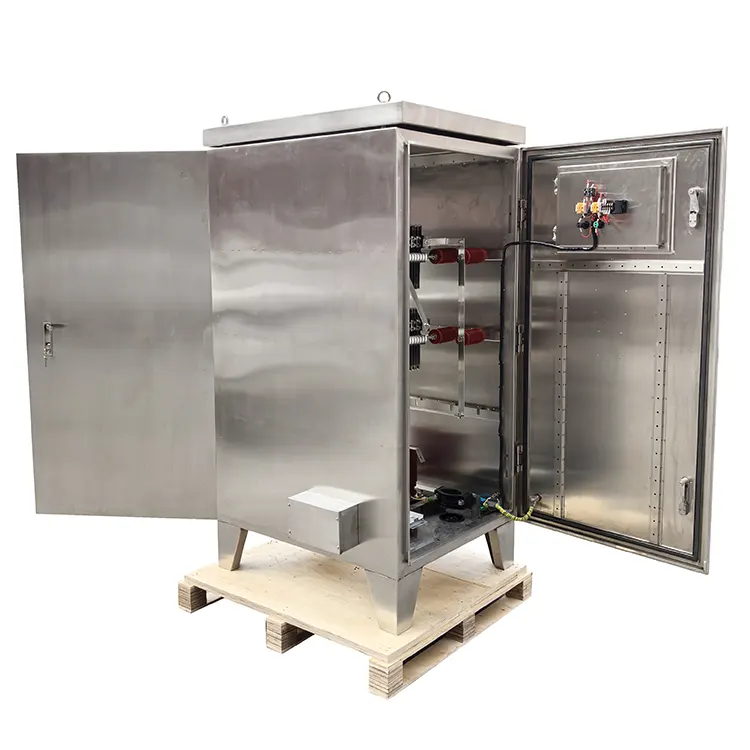
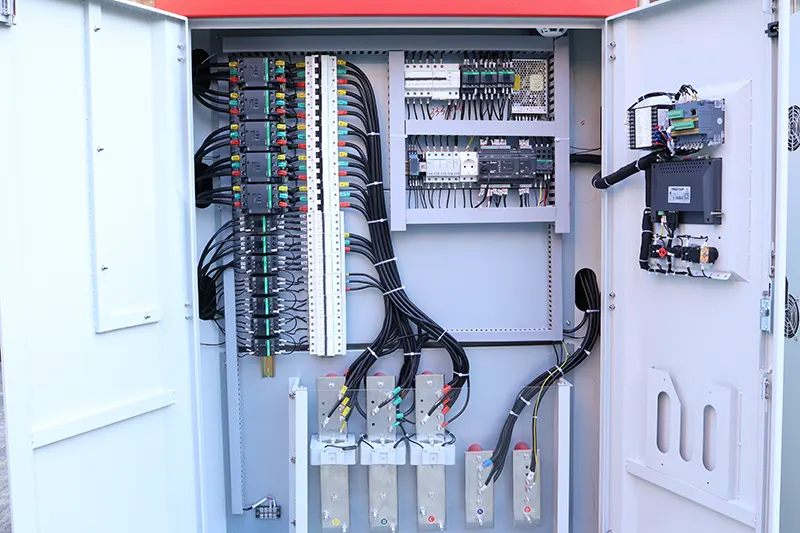
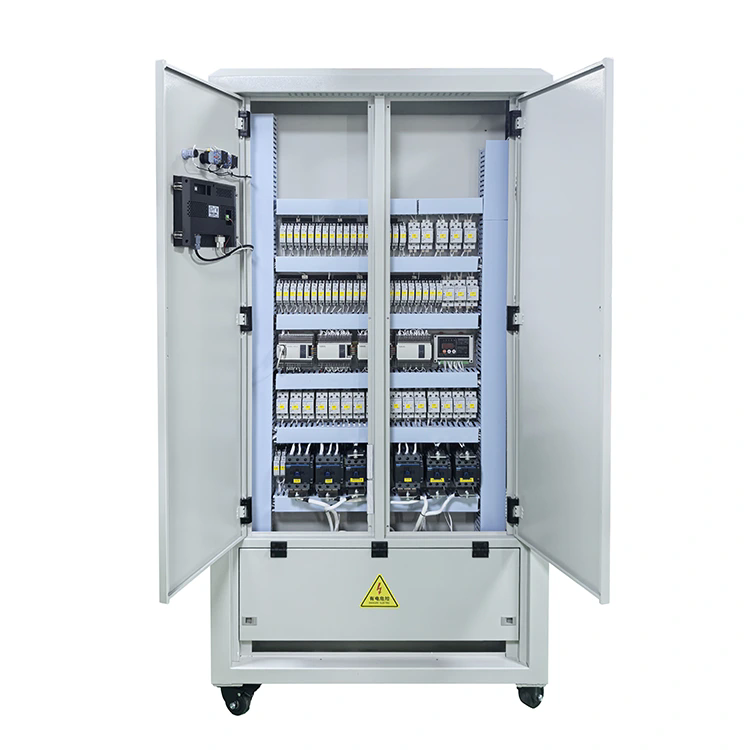
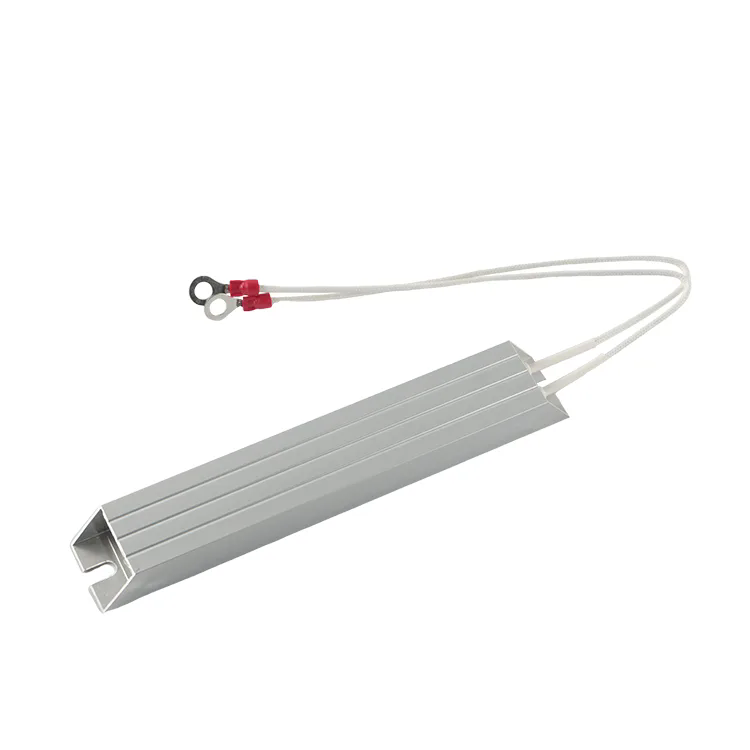
Non-linear load banks are specialized testing devices designed to simulate the electrical loads of modern equipment that draw non-linear currents. Unlike traditional resistive load banks, which primarily test linear resistive loads, non-linear load banks replicate the behavior of devices such as computers, variable frequency drives, LED lighting, and other electronic loads that distort the current waveform. Understanding these distortions is crucial for maintaining system efficiency, preventing downtime, and protecting sensitive equipment.
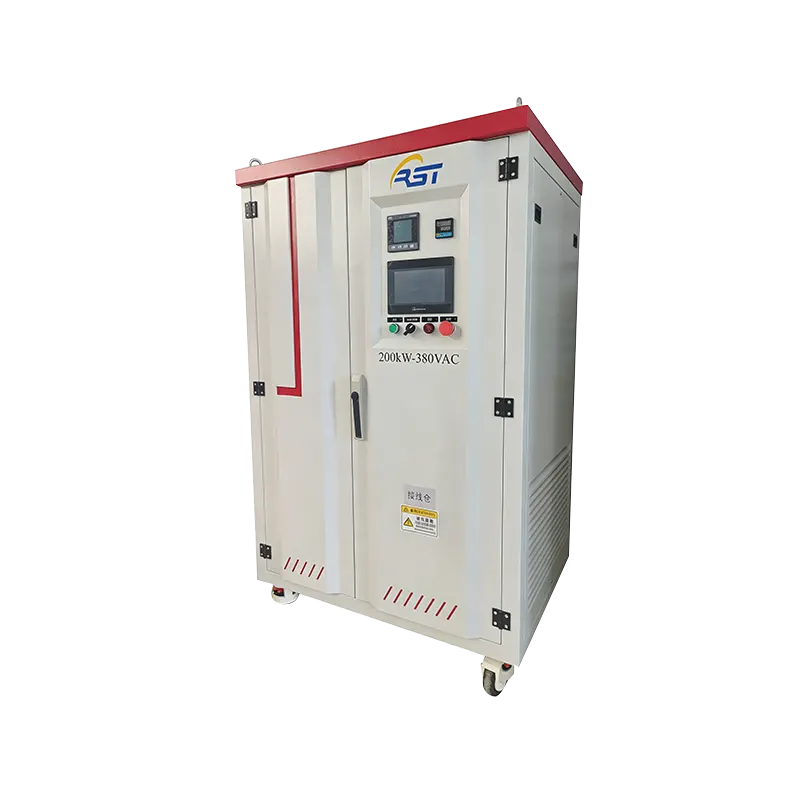
RST Electric offers advanced non-linear load bank solutions capable of accurately replicating complex load patterns, ensuring reliable testing for industrial and commercial power systems.
The primary function of a non-linear load bank is to impose a controlled, non-linear load on a power system, enabling engineers to observe voltage and current behavior under realistic conditions. The working principle includes:
Below is a simplified schematic illustrating the basic setup:
| Component | Function |
|---|---|
| Non-Linear Load Bank | Generates harmonic-rich load currents |
| Power Source | Supplies AC power to the system under test |
| Monitoring Instruments | Measure voltage, current, and harmonics |
Using a non-linear load bank offers multiple advantages for businesses seeking optimal power system performance:
Non-linear load banks generate currents that mimic modern electronic equipment, helping identify potential harmonic issues before deployment.
By testing under realistic load conditions, companies can prevent unexpected outages and maintain operational continuity.
Voltage distortions and harmonics can damage sensitive electronics. Non-linear load banks help detect and mitigate these risks.
Monitoring the power factor and harmonics allows facilities to implement corrections, reducing energy losses.
Non-linear load banks vary based on design and purpose. Key types include:
RST Electric provides flexible solutions for each type, ensuring that every facility can choose a system tailored to its operational requirements.
Proper installation and maintenance are essential for maximizing the lifespan and effectiveness of non-linear load banks:
Even the best non-linear load banks can face challenges if not used correctly:
| Issue | Cause | Solution |
|---|---|---|
| Overheating | Poor ventilation or excessive load duration | Improve airflow, reduce load cycles, or add cooling fans |
| Measurement Errors | Faulty sensors or calibration drift | Calibrate instruments regularly and replace faulty sensors |
| Harmonic Distortion Not Replicated | Incorrect load bank type or setting | Use a programmable load bank to simulate accurate harmonics |
Q1: Can non-linear load banks be used for all types of electrical systems?
A1: Yes, they are versatile and can simulate a wide range of loads, but selecting the right type and capacity is critical for accuracy.
Q2: How often should a non-linear load bank be tested?
A2: It is recommended to test at least once a year or after significant system changes to ensure performance and reliability.
Q3: Do non-linear load banks consume a lot of energy?
A3: They consume power during testing, but the benefits of preventing downtime and detecting harmonics outweigh the energy cost.
Non-linear load banks are indispensable tools for modern electrical testing, providing accurate simulation, improved reliability, and enhanced protection for sensitive equipment. RST Electric offers a comprehensive range of non-linear load banks tailored for industrial, commercial, and renewable energy applications. Ensure your power system operates at peak efficiency and safety by implementing advanced load testing solutions.
For more details and customized solutions, contact us today to speak with our experts and schedule a consultation.