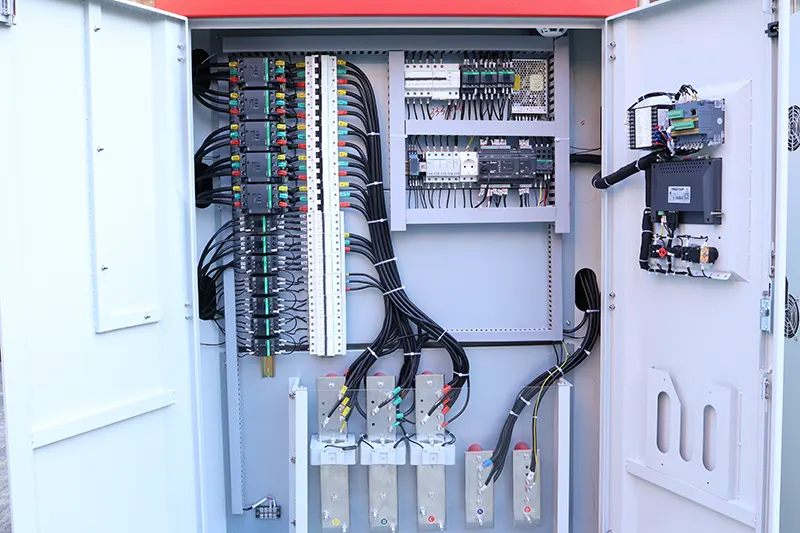
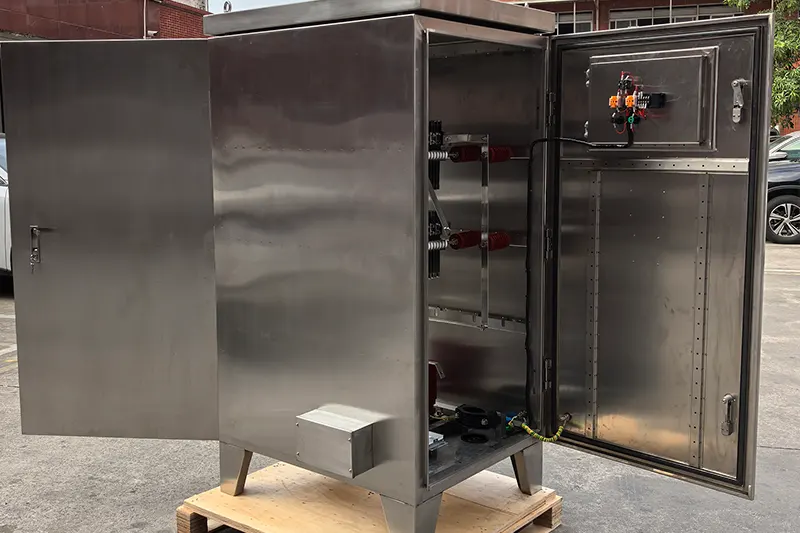
Resistive load banks play a critical role in testing, maintaining, and validating power systems. They provide controlled electrical loads to ensure generators, UPS systems, and other power equipment operate reliably under real-world conditions. This article explores the principles, applications, benefits, and best practices of using resistive load banks to solve common power system challenges.
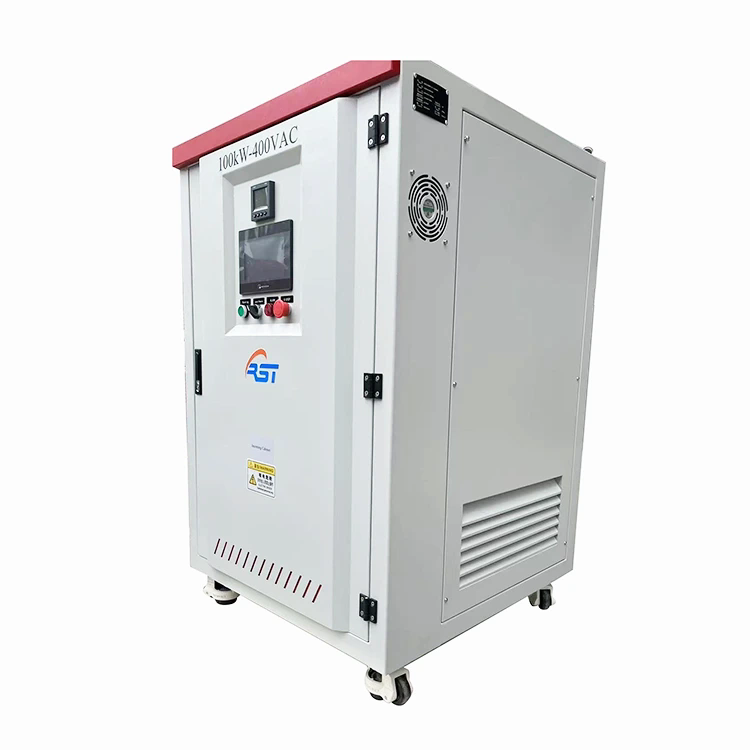
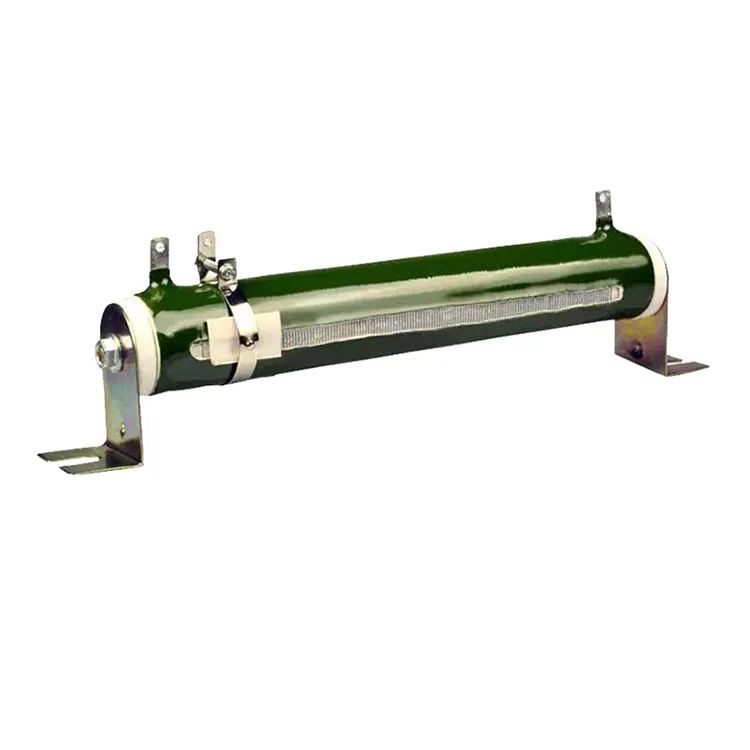
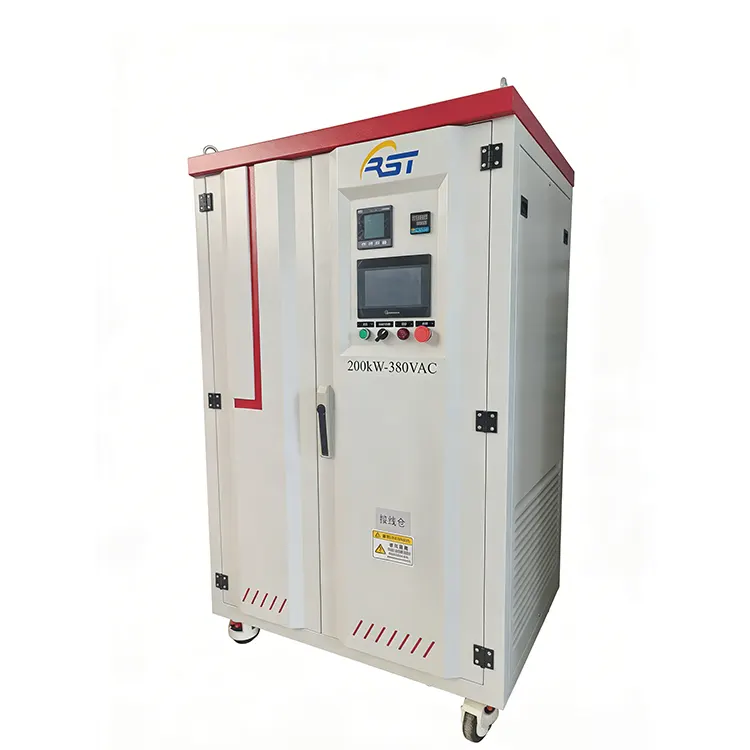
A resistive load bank is an electrical device designed to simulate real electrical loads on power systems. By converting electrical energy into heat through resistive elements, it allows operators to test and maintain power sources like generators and UPS systems safely and effectively. Unlike reactive load banks, resistive load banks impose only resistive loads without introducing phase shifts or reactive power issues.
Key Components:
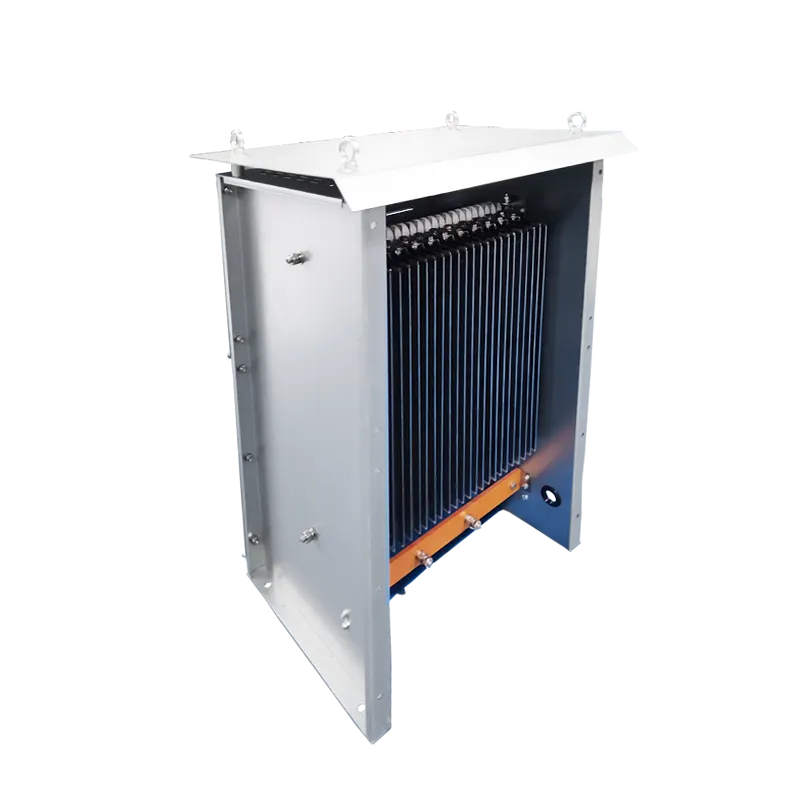
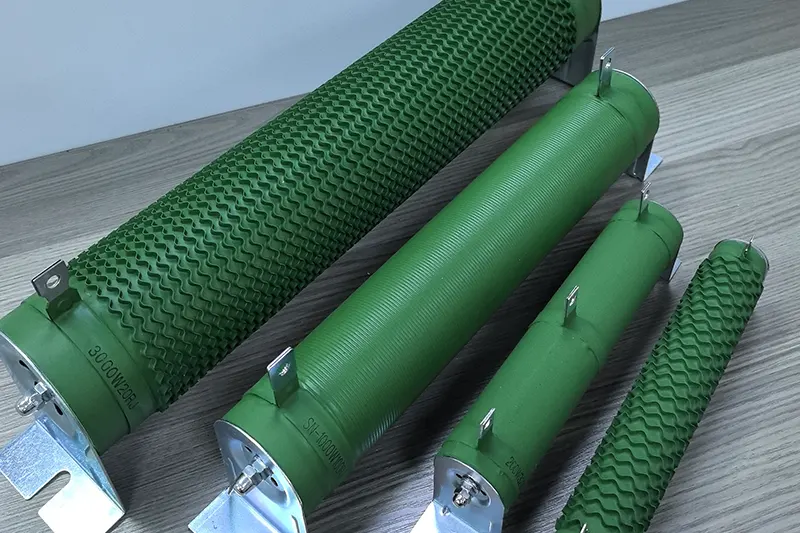
Resistive Elements: Convert electrical energy into heat.
Cooling System: Typically air-cooled or water-cooled to prevent overheating.
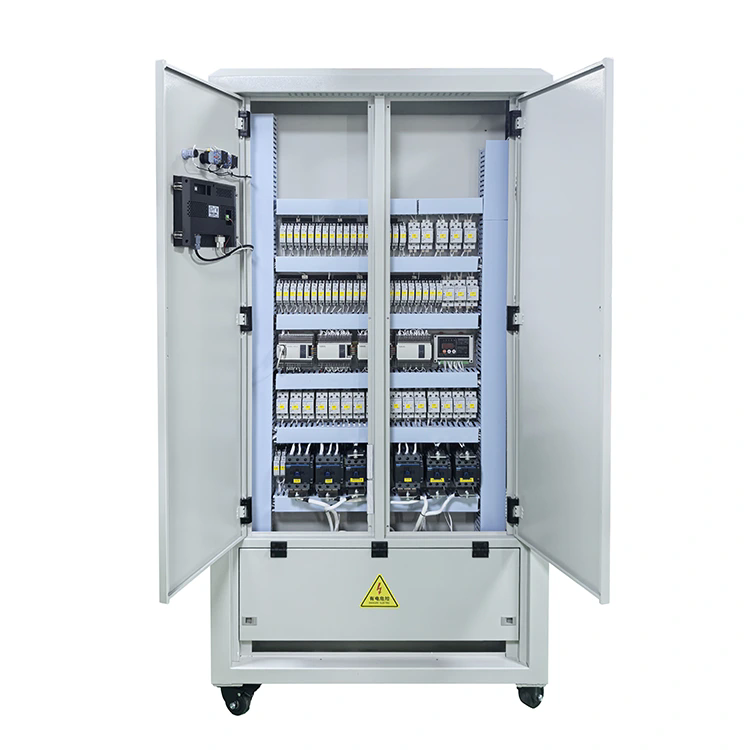
Control Panel: Allows precise adjustment of load levels.
Instrumentation: Monitors voltage, current, and power.
Types of Resistive Load Banks
Understanding the types of resistive load banks is crucial for choosing the correct device for your application. Below is a summary:
Type
Description
Typical Applications
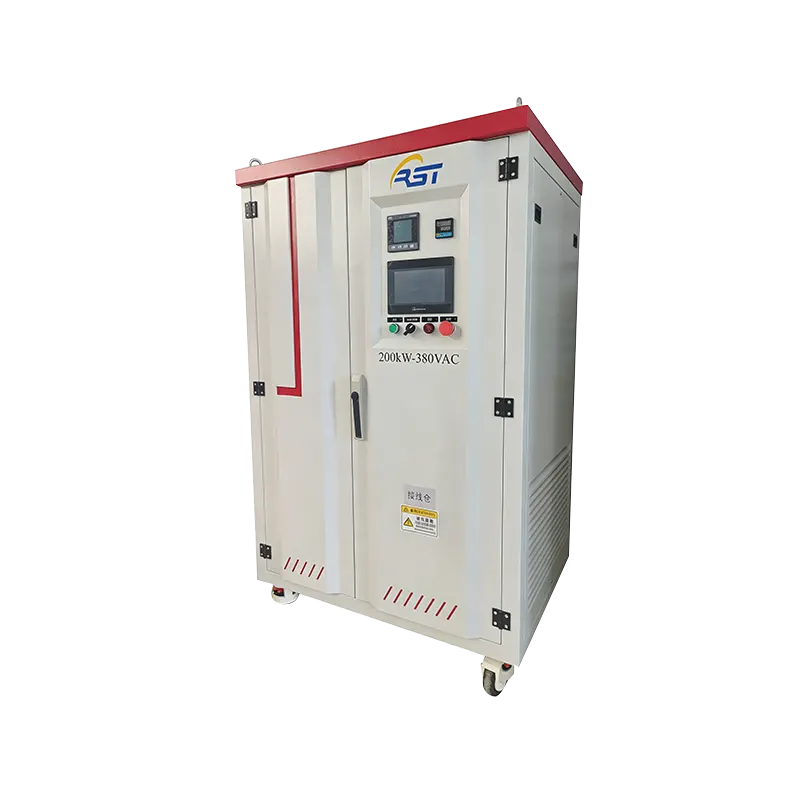
Portable Resistive Load Banks
Compact, mobile units for temporary testing and maintenance.
Small generators, UPS systems, field maintenance.
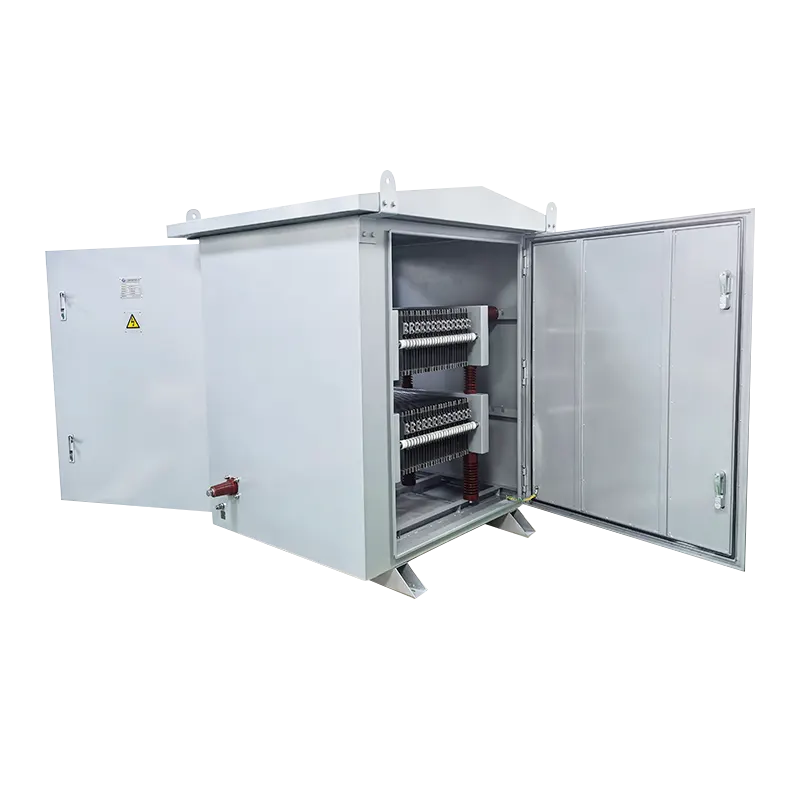
Fixed Resistive Load Banks
Permanently installed units for routine testing of larger systems.
Data centers, industrial power systems.
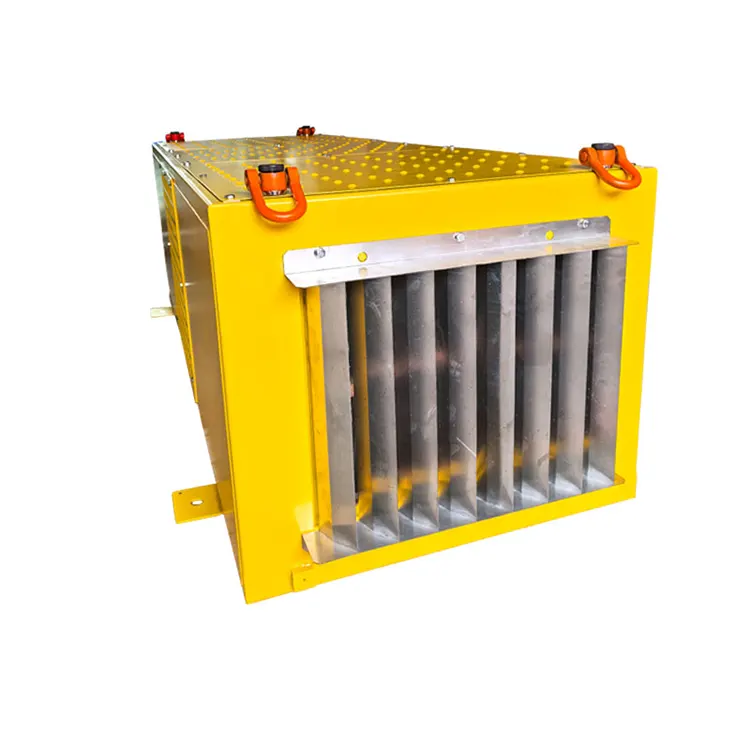
Water-Cooled Resistive Load Banks
Uses water for cooling high-capacity loads, suitable for extended testing.
Large generators, utility plants.
Applications and Use Cases
Resistive load banks provide practical solutions to many power system challenges. Common applications include:
Generator Testing: Ensures generators can handle full-load operation safely.
UPS Validation: Confirms uninterruptible power supplies can support critical systems.
Preventive Maintenance: Helps detect issues before equipment failure occurs.
Commissioning of New Installations: Verifies new power systems meet design specifications.
Battery Bank Discharge Testing: Evaluates performance and capacity of battery systems.
Benefits of Using Resistive Load Banks
Investing in a high-quality resistive load bank can provide the following advantages:
Enhanced Reliability: Ensures generators and UPS systems perform as expected.
Accurate Load Simulation: Mimics real-world conditions without risking actual equipment.
Extended Equipment Life: Prevents damage from untested or underloaded generators.
Cost Efficiency: Reduces downtime and avoids costly emergency repairs.
Compliance Assurance: Supports regulatory and safety testing requirements.
How to Select the Right Load Bank
Selecting the proper resistive load bank depends on multiple factors:
Power Rating: Ensure the load bank capacity matches or exceeds the generator's rating.
Cooling Type: Air-cooled units are ideal for short tests; water-cooled units for continuous testing.
Portability: Consider whether mobility is required for field service.
Control Options: Digital panels allow precise load adjustment and monitoring.
Compliance and Safety: Verify the load bank meets local safety and electrical standards.
Installation and Safety Guidelines
Proper installation and operation of resistive load banks are critical for safe performance:
Site Preparation: Ensure proper ventilation and clearance for heat dissipation.
Electrical Connections: Use certified wiring and follow manufacturer instructions.
Monitoring: Regularly check voltage, current, and temperature during testing.
Maintenance: Clean resistive elements and cooling fans to prevent overheating.
Training: Ensure operators understand load bank operation and safety procedures.
Frequently Asked Questions (FAQ)
Q1: Can a resistive load bank damage my generator?
A1: When used according to manufacturer guidelines, a resistive load bank is safe for generators. Overloading or improper connections, however, can cause damage.
Q2: How often should load bank testing be performed?
A2: Recommended testing frequency varies by application, but quarterly or semi-annual tests are common for critical systems.
Q3: Are resistive load banks portable?
A3: Yes, portable models are available for field testing, while fixed units are better suited for permanent installations.
Q4: What is the difference between resistive and reactive load banks?
A4: Resistive load banks simulate pure resistive loads, while reactive load banks also introduce inductive or capacitive loads to mimic more complex electrical conditions.
RST provides top-quality resistive load banks to ensure your power systems are reliable and fully tested. Explore our full range of products and contact us today to find the perfect solution for your needs.

We use cookies to offer you a better browsing experience, analyze site traffic and personalize content. By using this site, you agree to our use of cookies.Privacy Policy