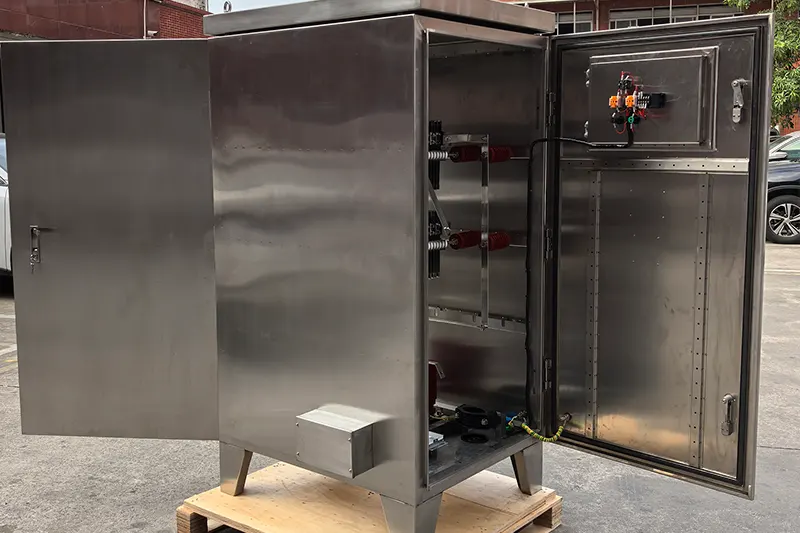
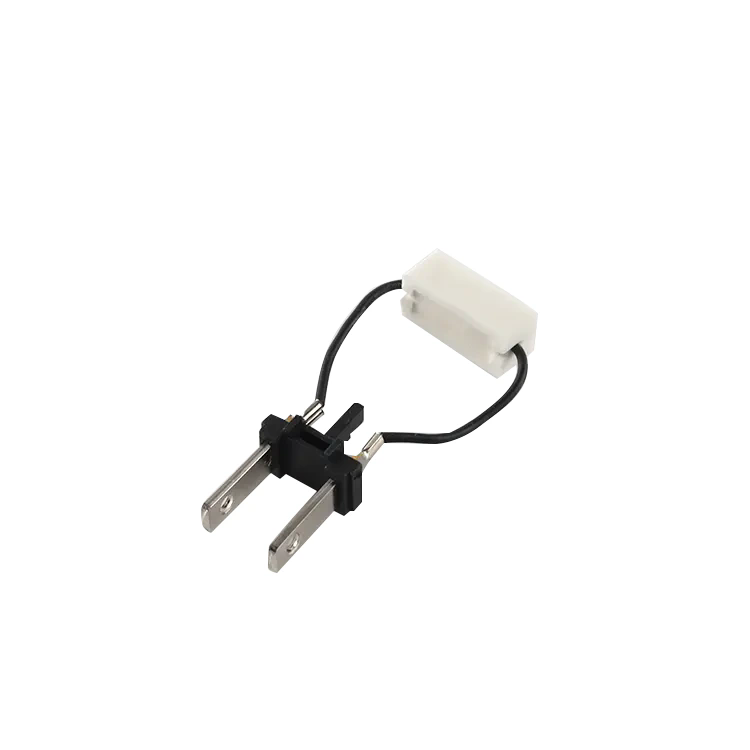
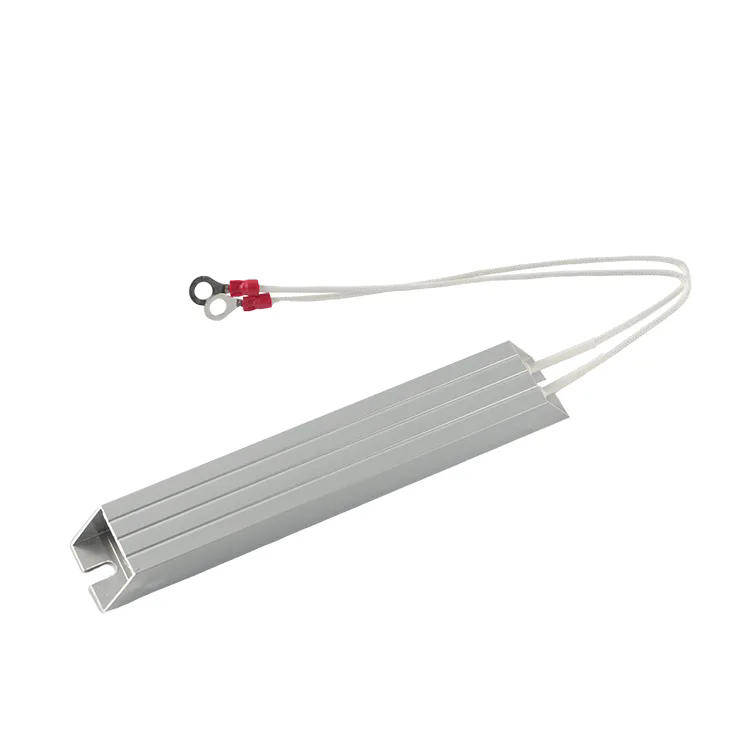
Article Summary: Reliable DC power testing is essential for battery systems, energy storage equipment, telecommunications infrastructure, data centers, and industrial backup power applications. A 6U Portable DC rack-mounted load bank provides a practical solution for simulating electrical loads, verifying discharge capacity, and evaluating power supply performance. Developed by RST, this compact resistive testing solution combines a standard 19-inch rack design, portable operation, flexible load control, and integrated safety features. This article explores its operating principles, technical advantages, industrial applications, selection criteria, and practical value for professional power testing.
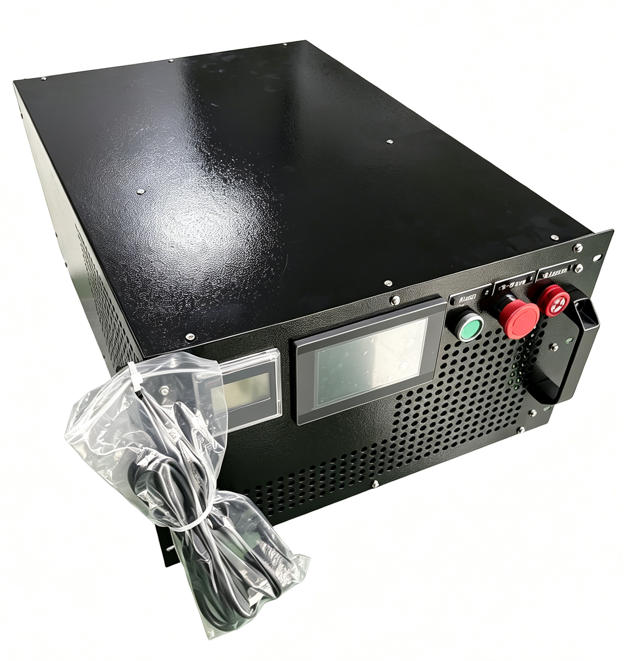
1. What Is a 6U Portable DC Rack-Mounted Load Bank?
2. How Does a Portable DC Load Bank Work?
3. What Are the Key Technical Advantages?
4. Where Is This DC Load Bank Commonly Used?
5. How to Select the Right DC Rack-Mounted Load Bank?
6. How to Conduct Reliable DC Load Testing?
7. Practical Applications and Testing Examples
8. Maintenance and Operational Recommendations
10. Conclusion: A Compact Solution for Professional DC Testing
A DC load bank is an electrical testing device designed to simulate the power consumption of real electrical equipment. Instead of connecting an actual operational load, engineers use controlled electrical resistance to draw a predetermined amount of current from a DC power source. This allows them to evaluate power supply performance under controlled operating conditions.
The 6U Portable DC rack-mounted load bank from RST is a high-performance resistive dummy load testing device housed in an industry-standard 19-inch, 6U rack chassis. Its dual-purpose structure supports both permanent cabinet installation and portable on-site testing, making it suitable for laboratories, industrial facilities, and field commissioning projects.
Unlike conventional bulky testing equipment, this compact design helps engineers save installation space while retaining the flexibility required for different testing environments. Integrated lifting handles also make transportation and equipment positioning more convenient.
Typical testing objectives include:
For engineers responsible for power system commissioning and maintenance, a compact rack-mounted load bank offers an efficient way to reproduce operating conditions without depending on actual end-user equipment.
The operating principle of a resistive DC load bank is based on electrical resistance. When connected to a DC power source, the load bank draws current and converts electrical energy into thermal energy through internal resistance elements.
According to Ohm's law, the relationship between voltage, current, and resistance determines the electrical load:
I = V / R
Where:
The electrical power consumed by a resistive load can also be calculated using:
P = V × I
By adjusting the available load settings, engineers can simulate different power consumption conditions and observe how the tested equipment responds.
This controlled process helps identify abnormal voltage drops, insufficient battery capacity, unstable power output, and other performance issues before equipment enters actual service.
Choosing a professional DC load bank involves more than comparing rated power. Mechanical design, resistor stability, cooling performance, safety protection, and data management all influence testing efficiency and long-term operating reliability.
The standard 19-inch rack chassis allows the equipment to be integrated into compatible industrial cabinets and server racks. Its 6U footprint helps optimize cabinet space, particularly in environments where multiple power testing devices must be installed together.
This design is particularly valuable for data centers, telecommunications facilities, and electrical testing laboratories that require organized equipment layouts.
Permanent installation is not always practical for maintenance and commissioning teams. The portable design and integrated lifting handles allow technicians to move the unit between different testing locations, reducing dependence on dedicated fixed testing infrastructure.
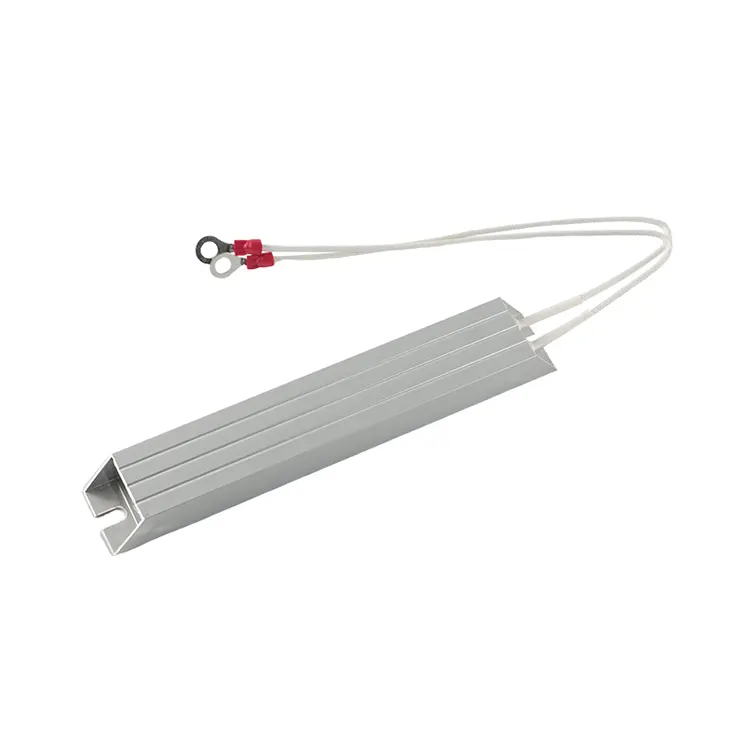
High-quality alloy resistors are used to provide stable resistance characteristics and repeatable testing performance. Resistance stability is important because variations in the load can affect the consistency of current measurements and discharge evaluation.
Long-duration DC discharge testing can generate considerable heat. The equipment incorporates multiple safety protection functions designed to support reliable operation and reduce risks associated with abnormal operating conditions.
Temperature-related protection is especially important when conducting extended battery discharge tests. However, operators should always follow the manufacturer's operating instructions and applicable electrical safety procedures.
Electrical energy consumed by a resistive load is converted into heat. An efficient low-noise cooling system helps remove accumulated heat, maintain suitable operating temperatures, and protect internal resistance components during testing.
The built-in data-recording module supports test-data traceability. Recorded information can help engineers prepare formal factory acceptance testing (FAT) documentation, compare performance between test cycles, and maintain equipment inspection records.
Different industries require different DC testing conditions. RST supports customization according to project requirements, including:
These options make the equipment adaptable to different power testing projects rather than limiting users to a single standardized configuration.
The versatility of a 6U Portable DC rack-mounted load bank makes it suitable for several industries that depend on stable DC power infrastructure.
Battery capacity verification is an essential part of energy storage system quality control. A DC load bank applies controlled discharge conditions to help engineers determine actual usable capacity and evaluate battery performance under different loading conditions.
It can support:
Data centers require reliable power distribution and effective thermal management. Before servers and other IT equipment are fully deployed, engineers can use DC load testing equipment to simulate electrical demand and evaluate power distribution arrangements.
Load simulation can help assess cabinet power distribution, PDU performance, and cooling arrangements under representative operating conditions. Actual thermal validation should also consider the complete facility design and the specific heat output of the equipment being simulated.
Telecommunications base stations depend on uninterrupted DC power to maintain communication services. Rectifiers and backup battery systems must be tested periodically to confirm their ability to support connected equipment.
A portable DC load bank allows maintenance teams to perform controlled load checks and evaluate backup power performance at different locations.
DC UPS systems and backup power equipment need regular performance inspections. Load banks provide a controlled testing environment for verifying electrical output and identifying potential weaknesses before an emergency occurs.
Off-grid solar storage systems, power converters, rectifiers, and other DC equipment also benefit from simulated load testing. In research laboratories, adjustable load conditions help engineers investigate system behavior and compare performance across different operating scenarios.
Selecting a suitable load bank requires a clear understanding of the tested power source and the expected testing objectives. A compact chassis alone does not guarantee compatibility with every DC system.
Before purchasing, engineering teams should evaluate the following technical factors:
| Selection Factor | What to Evaluate | Why It Matters |
|---|---|---|
| Rated DC Voltage | Maximum operating voltage of the tested system | Prevents voltage incompatibility and equipment damage |
| Maximum Current | Expected discharge current and peak testing requirements | Ensures the load bank can handle the required electrical demand |
| Rated Power | Total power consumption under the planned test conditions | Determines whether the equipment can perform the required tests |
| Load Steps | Number and resolution of adjustable load levels | Supports flexible and repeatable testing scenarios |
| Cooling System | Airflow, heat dissipation, and operating environment | Helps maintain safe temperatures during extended operation |
| Safety Protection | Overtemperature, overcurrent, and other available protections | Reduces operational risks |
| Data Recording | Recording, export, and communication capabilities | Improves traceability and reporting efficiency |
| Installation | 19-inch rack compatibility and available cabinet space | Ensures convenient installation and integration |
| Customization | Project-specific voltage, power, load steps, and communication | Improves suitability for specialized testing applications |
Buyers should calculate the required power based on the actual DC operating voltage and current. For example, a 48V DC system drawing 100A represents a theoretical electrical load of 4.8kW.
When specifying a load bank, engineers should also consider voltage variation, continuous operating duration, connection arrangements, ambient temperature, and the manufacturer's permitted duty cycle.
For customized equipment, providing the following information to the manufacturer can significantly improve quotation accuracy:
Accurate testing depends on proper preparation, controlled operation, and consistent data evaluation. Even high-quality testing equipment cannot produce meaningful results if the test procedure is incorrectly designed.
Determine whether the purpose is battery capacity verification, power supply acceptance, preventive maintenance, or system commissioning. Different objectives require different load profiles and test durations.
Check the voltage, current, power, cable rating, connector compatibility, and polarity requirements. Ensure that the load bank is suitable for the tested DC source.
Check electrical connections, cooling passages, lifting handles, enclosure condition, and available protection functions. Confirm that ventilation openings are unobstructed.
Begin with an appropriate low-load setting and increase the load according to the approved test procedure. Monitor voltage, current, temperature, and abnormal operating conditions throughout the process.
Document the applied load, test duration, voltage changes, discharge performance, and other relevant measurements. Compare the results with the equipment manufacturer's specifications and project acceptance criteria.
Reduce the load according to the operating procedure, allow the equipment to cool, and disconnect the system safely. Store the testing records for future maintenance and performance comparisons.
Practical deployment demonstrates how a portable rack-mounted load bank can improve testing flexibility and support more efficient commissioning workflows.
In an industrial energy storage project, a system integrator needed to verify the discharge capacity of 800V DC lithium-ion battery packs before on-site delivery.
The 6U portable DC rack-mounted load bank was temporarily installed in the customer's testing cabinet. Engineers conducted multi-step discharge cycles, recorded voltage-current curves, and evaluated the actual usable capacity of the energy storage modules.
The integrated overtemperature protection supported extended testing operations, while recorded test information helped the engineering team prepare formal FAT acceptance reports. This process also helped identify underperforming battery modules before installation at the project site.
An engineering contractor responsible for an edge data center needed to verify cabinet power distribution and cooling arrangements before the actual server equipment arrived.
By installing the compact testing unit in a standard 19-inch server rack, technicians could simulate different DC power consumption conditions and evaluate the cabinet's power distribution performance.
The portable structure also allowed the team to move the equipment between multiple racks. This approach helped identify potential infrastructure issues before full server deployment and improved the efficiency of pre-launch commissioning.
These examples illustrate two important benefits of portable DC load testing: more flexible equipment deployment and earlier identification of power infrastructure problems.
Proper maintenance helps preserve load bank performance and reduce unexpected equipment downtime. Because resistive load banks generate heat during operation, cooling system maintenance deserves particular attention.
Recommended practices include:
For high-frequency testing environments, a documented preventive maintenance program can improve operational consistency and help extend equipment service life.
6U refers to the vertical height of the equipment in standard rack units. One rack unit equals 1.75 inches (44.45 mm), so a 6U device occupies approximately 10.5 inches (266.7 mm) of vertical rack space. This format allows the load bank to be installed in compatible 19-inch equipment racks.
Its primary purpose is to simulate electrical loads for testing DC power sources. Typical applications include lithium-ion battery discharge testing, energy storage capacity verification, UPS inspection, telecommunications power maintenance, and industrial power system commissioning.
Yes. Its dual-purpose design supports permanent installation in compatible equipment cabinets as well as portable on-site testing. Integrated lifting handles make transportation and positioning more convenient for maintenance and commissioning teams.
Major application sectors include energy storage, lithium-ion battery manufacturing, telecommunications, data centers, industrial power supply, renewable energy, and electrical testing laboratories.
Yes. A resistive load bank converts electrical energy into heat. Therefore, an effective cooling system and unobstructed airflow are essential, particularly during high-current and long-duration discharge tests.
Yes. RST provides customization options for DC voltage, rated power, load steps, and communication functions. Buyers should provide their electrical specifications and testing requirements to confirm the appropriate configuration.
Yes. The product incorporates a data-recording module to support traceable testing information. This is useful for performance evaluation, maintenance documentation, and formal factory acceptance testing reports.
Buyers should confirm the DC voltage range, maximum current, rated power, load adjustment requirements, cooling conditions, protection functions, communication options, and installation dimensions. These details help ensure that the selected configuration matches the actual application.
Reliable DC power testing is essential for maintaining the performance and safety of modern electrical infrastructure. From battery capacity verification and energy storage commissioning to telecommunications maintenance and data center power validation, a suitable load bank helps engineers reproduce operating conditions and identify potential system problems before deployment.
The 6U Portable DC rack-mounted load bank from RST combines a standard 19-inch rack chassis, portable deployment, stable alloy resistance elements, efficient cooling, multiple safety protections, and integrated data recording. Its customizable configuration also provides flexibility for different industrial testing requirements.
For engineering contractors, battery manufacturers, energy storage integrators, and industrial power system operators, selecting the right DC load testing equipment is an important investment in operational reliability and quality assurance. As an experienced manufacturer of power resistors and load banks, RST provides technical consultation and customized solutions to support different project requirements. If you are looking for a reliable DC load bank for battery testing, energy storage verification, or industrial power commissioning, contact us today to discuss your voltage, current, power, and testing requirements. Our engineering team can help you identify a suitable configuration for your application.